CRISPR tool kills cancer cells by targeting RNA signatures
A CRISPR system sensed cancer RNA and shredded chromatin in tumor cells, pointing at p53-linked cancers but still far from patients.
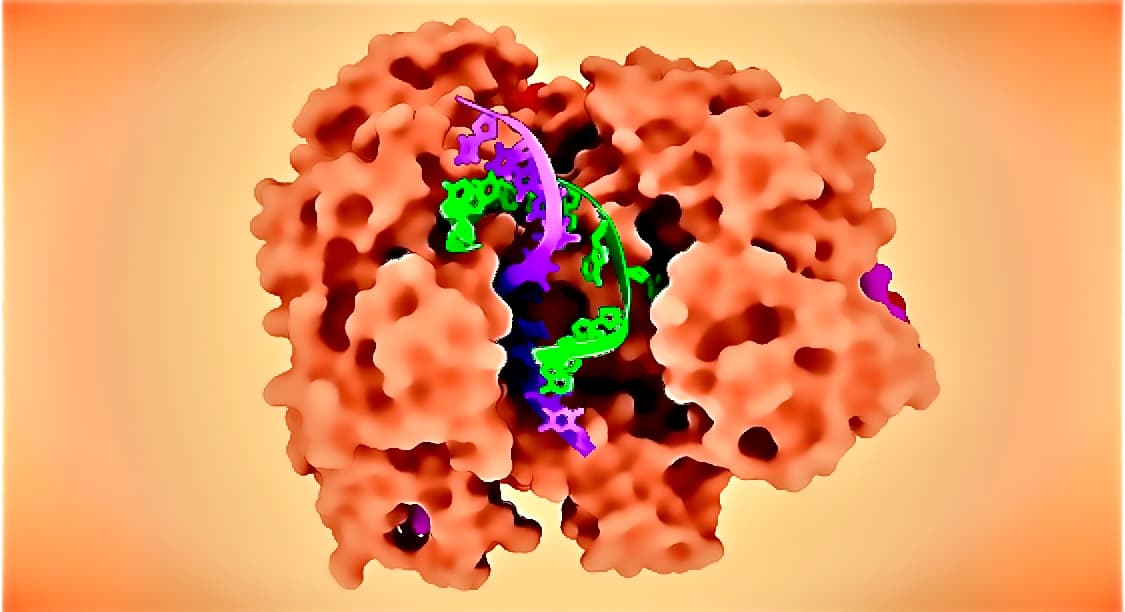
A CRISPR-based system has been programmed to kill cancer cells by reading their RNA signatures and then shredding their chromatin from the inside. In plain terms, the tool does not try to repair a broken cancer gene. It waits until a cell displays a cancer-specific transcript, then activates Cas12a2 to cut so aggressively that the cell is driven into DNA damage and self-destruction.
The work, published online June 8, 2026, in Nature, came from researchers at the Innovative Genomics Institute at UC Berkeley, the University of California, San Francisco, Gladstone Institutes, the University of Utah and Utah State University. The target is one of oncology’s hardest problems: p53, a tumor suppressor gene that has been tied to cancer since the late 1980s and has long been viewed as a premium therapy target. No p53-targeting drug has reached the market, in part because tumor suppressors do not offer the kind of easy drug pocket that many cancer medicines need, and because restoring a mutant p53 protein is technically difficult.
Instead, the researchers used CRISPR-Cas12a2, an RNA-guided nuclease with trans-nucleolytic cleavage activity, to detect cancer-specific transcripts and trigger trans chromatin cleavage. That sequence-specific attack is what the researchers describe as RNA-triggered chromatin shredding: once activated, Cas12a2 keeps cutting DNA until the cell collapses. University of Utah Health said the system acted more like a paper shredder than precision scissors, destroying cells rather than editing them, and leaving healthy cells untouched in the lab setting.
The pitch is broad. The Innovative Genomics Institute said the strategy could reach mutations found in nearly half of all cancer cases and in 70% to 90% of some of the most difficult cancers, including ovarian, pancreatic and non-small cell lung cancer. Jennifer Doudna said the method could be adapted quickly to new mutations, and first author Jingkun Zeng said the idea grew from the view that tumor suppressor mutations may be better handled by identifying and eliminating cancer cells outright. Zeng previously did doctoral research at the Francis Crick Institute on cancer evolution.
The promise is clear, but the leap to medicine is still large. University of Utah Health said the technology has mainly been tested in cells in a dish so far. That leaves the biggest questions untouched: how to deliver it safely into tumors, how to avoid off-target damage in healthy tissue, how tightly it can distinguish cancer from normal cells in the body, and how long it will take before human relevance moves from concept to clinic.
This article was produced by Prism’s automated news system from verified source data, official records, and press releases, then run through automated quality and moderation checks before publishing. The system is built and supervised by the people who set the standards it runs under. Read our full AI policy.
Know something we missed? Have a correction or additional information?
Submit a Tip