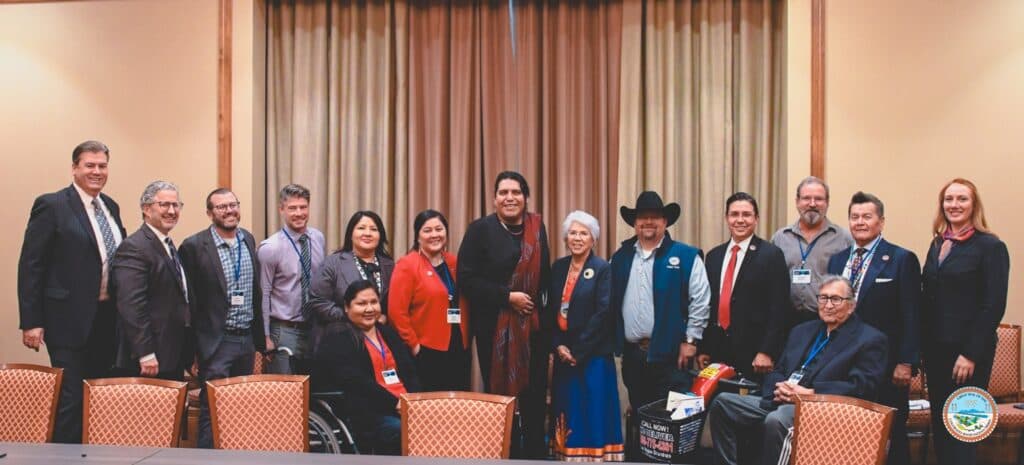
CRIT council approves tribal Water Code affirming water sovereignty
Colorado River Indian Tribes approves a Water Code affirming tribal control of reservation water and setting rules for allocation, leasing, protection and management.
The Colorado River Indian Tribes Tribal Council today approves a comprehensive tribal Water Code that asserts CRIT sovereignty over Reservation water and creates a framework for allocation, use, leasing, protection and management of water resources.
Council leaders say the Code was developed after membership meetings in Parker and Phoenix and is intended to recognize the Colorado River’s cultural significance to CRIT while defining how tribal water will be allocated, used, leased and preserved. The ordinance enacting the Code was approved alongside the finalized text, which tribal leadership has made available for review.
Key elements of the Code, as described by tribal officials, include protections against over-diversion and contamination, measures to support social and economic advancement for tribal members, and procedures to ensure due process for those seeking to use or withdraw tribal water. By codifying these principles, CRIT is establishing internal rules that will guide water decisions on the Reservation and frame the tribe’s interactions with neighboring jurisdictions and water users.
For La Paz County residents and businesses, the new Code matters because Parker sits at the center of the Reservation and the Colorado River is the lifeblood of local irrigation, recreation and municipal supply systems. While the Code governs water on tribal lands, its attention to leasing and management creates potential pathways for economic development through water-use agreements and may alter how water is moved or shared in cross-boundary arrangements. The Code’s emphasis on protection from contamination and overuse also signals a stronger institutional stance on preserving river health and groundwater quality that local stakeholders will monitor closely.

The development process underscores community engagement within the tribe: membership meetings in Parker and Phoenix shaped the document, demonstrating internal consultation across CRIT communities. The Code also codifies procedures for applicants, which could standardize how tribal members, businesses and external entities request access to tribal water resources.
Implementation now becomes the immediate focus. The Council’s approval establishes legal authority on paper, but the Water Code’s practical effects will depend on how CRIT enforces its provisions, develops administrative capacity to process leases and permits, and coordinates with state and federal water managers and neighboring users. Pending regulatory steps and any future intergovernmental negotiations will determine whether the Code transforms water transactions and environmental protections in the region.
For residents of La Paz County, the new Code signals a shift toward clearer tribal governance over Colorado River resources and a potential increase in locally negotiated water arrangements. Watch for tribal notices about implementation, public meetings about specific leases or projects, and opportunities for community input as CRIT moves from adoption to enforcement.
Sources:
Know something we missed? Have a correction or additional information?
Submit a Tip