CRIT spotlights Poston Monument and museum to boost heritage tourism
The Colorado River Indian Tribes highlighted Poston Monument and the CRIT Museum, emphasizing local history and tourism value for La Paz County residents and visitors.
The Colorado River Indian Tribes are using their homepage as a public bulletin to spotlight the Poston Monument and the CRIT Museum, positioning both as anchors for heritage tourism and community education in La Paz County. The Poston Monument marks the site where more than 17,000 Japanese-Americans were interned during World War II, and the tribe is presenting the site as a primary historic destination on the reservation.
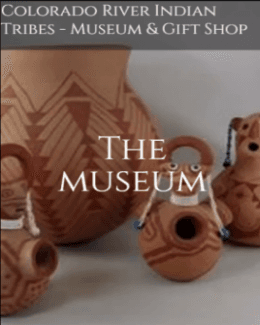
The CRIT Museum is presented as a repository for tribal antique collections and a venue for teaching tribal history to both members and visitors. The museum also supports tribal artisans through a gift shop offering crafts, jewelry, traditional accessories, books and DVDs. The tribe’s online notice points readers to museum contact information and further details via the museum link on the CRIT homepage.
Beyond tourism promotion, the homepage functions as the tribe’s official bulletin, carrying leadership posts and public affairs notices that include board and committee vacancies, health and social services announcements, and event listings. These postings are intended for residents, visitors, local governments and regional heritage tourism planning, making the site a practical daily resource for community coordination.
For La Paz County, the emphasis on Poston and the museum has several concrete implications. Heritage tourism tied to a nationally significant site can increase visitor traffic to river towns and reservation gateways, generating spillover spending at local restaurants, lodgings and small businesses. The museum’s gift shop model channels revenue directly to tribal artisans, preserving income streams for craftmakers and keeping cultural production local. From a policy perspective, spotlighting an internment site under tribal stewardship highlights opportunities for federal and state preservation grants, school partnerships and collaborative interpretive programming that can expand educational tourism and workforce opportunities.
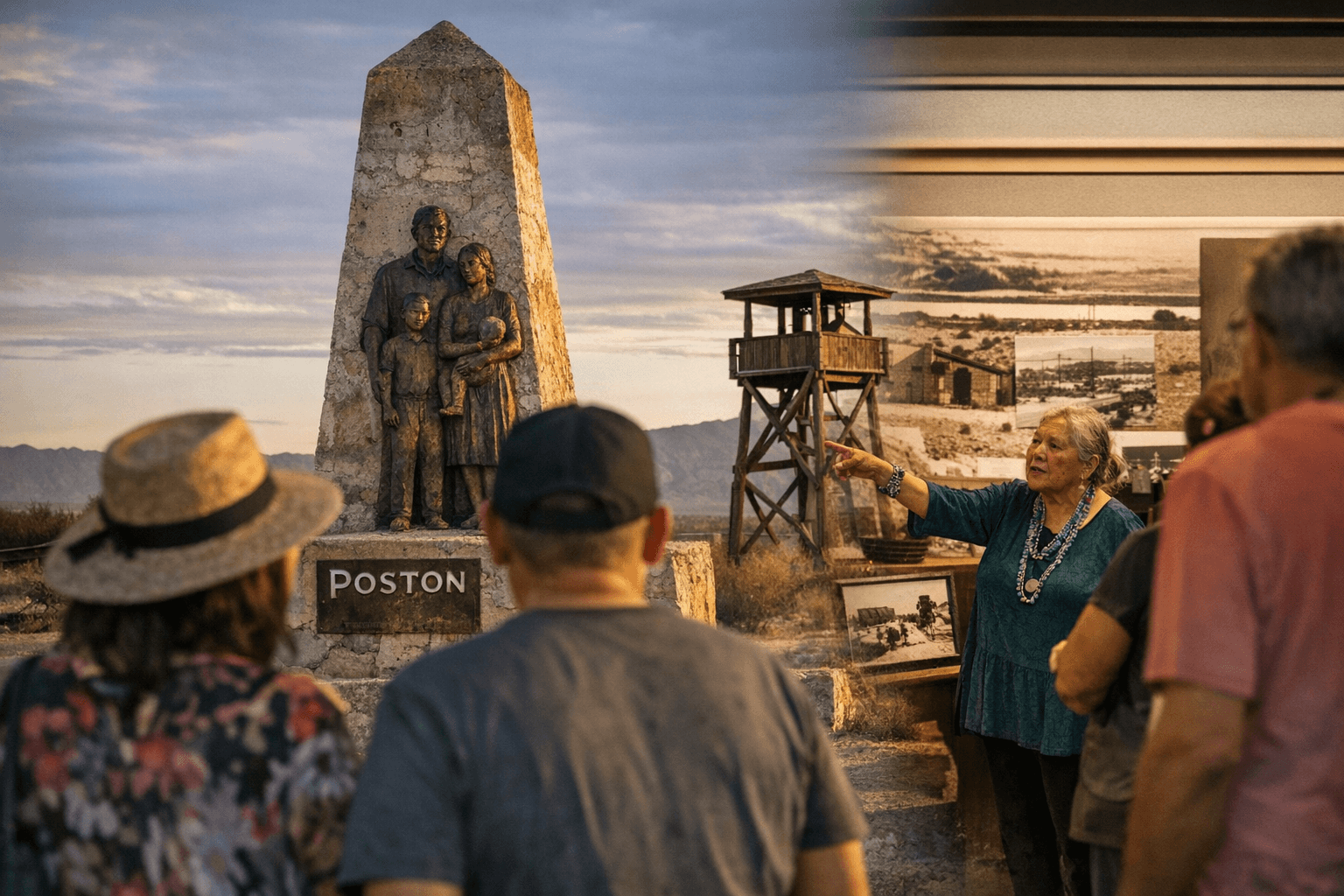
Longer term, the CRIT’s approach reflects a broader trend in regional tourism toward immersive, historically grounded experiences that combine cultural preservation with economic development. By curating the Poston story alongside tribal artifacts and artisan sales, the tribe is framing remembrance as both a civic responsibility and a community asset.
What this means for readers: county officials, tourism partners and local residents should treat the CRIT homepage as an active coordination tool, and tourism planners may want to factor Poston and the CRIT Museum into upcoming marketing, education and infrastructure efforts. For residents and visitors, the tribe’s spotlighting of these sites makes it easier to engage with local history and support tribal artisans, while keeping a difficult chapter of American history visible at the river’s edge.
Sources:
Know something we missed? Have a correction or additional information?
Submit a Tip