CRIT Spotlights Poston Monument to Boost Local Heritage Tourism
CRIT highlighted the Poston Monument as a top tourist attraction, linking local heritage to museum efforts and wider water and conservation policy that affect community wellbeing.
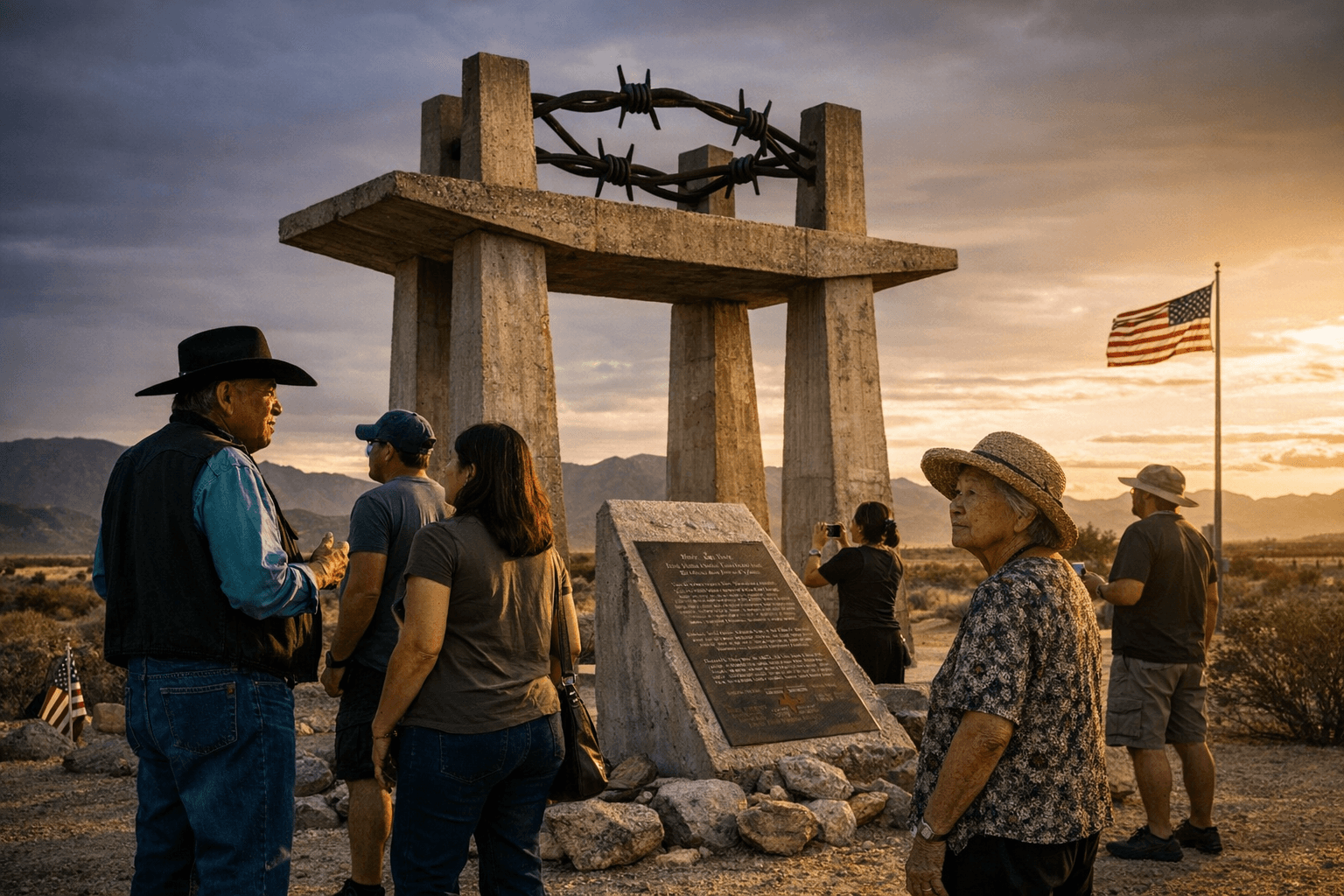
The Colorado River Indian Tribes has put the Poston Monument at the center of its latest Manataba Messenger news page, calling it "one of our top tourist attractions" and noting the site "marks the location where more than 17,000 Japanese-Americans were interned during World War II." The post, dated Feb. 5, 2026, pairs the memorial with the CRIT Museum's mission to protect tribal antiques, educate residents and visitors, and provide a gift-shop venue for tribal artisans.
Highlighting the Poston site matters for La Paz County in practical ways. Heritage tourism can bring visitors and spending to Parker and nearby communities while creating opportunities for tribal artisans to sell work through the museum gift shop. The museum is described as "committed to protecting and safeguarding tribal antique collections either stored or displayed and educating tribal members, the community and tourists about the Colorado River Indian tribal history and as a resource for departments, CRIT enterprises and organizations." That combination of history, interpretation and artisan sales links cultural preservation to economic equity for CRIT members.
The news post appears amid a suite of high-profile tribal policy moves that shape regional health and resilience. The Central Arizona Project Governing Board endorsed by unanimous vote the Colorado River Indian Tribes Water Resiliency Act of 2021, S.3308, a bill introduced by Senator Mark Kelly and co-sponsored by Senator Kyrsten Sinema that would allow CRIT to lease a portion of its Arizona Colorado River allocation for off-reservation use within Arizona. CRIT Chairwoman Amelia Flores also addressed the U.S. Senate on March 23rd in support of the bill, framing the measure as a tool to provide drought relief while preserving the life of the river and strengthening tribal sovereignty.
Conservation partnerships and legal steps tie cultural tourism to broader public health issues. Audubon reports that CRIT adopted a resolution in early November granting legal rights to the Colorado River where it runs through more than 50 miles of CRIT tribal lands in Arizona and California. Chairwoman Amelia Flores called protection of the Colorado River a "sacred obligation" and said the resolution "will authorize future Tribal Councils to include the needs of the [Colorado] river in any transaction involving our water resources." KAWC reported the Tribal Council vote follows extensive member input and said CRIT's Attorney General will draft updates to tribal code, including the Water Code.
For La Paz County residents, these developments link memory and livelihoods. Strengthening the Poston Monument and the CRIT Museum can support educational programming and trauma-informed commemoration while water-policy advances aim to protect local water security, ecosystems and long-term community health. For more information or media inquiries, CRIT Public and Online Relations lists a mobile contact at 602.615.6523 and email mscerbo@roseallynpr.com.
Know something we missed? Have a correction or additional information?
Submit a Tip