Croatia, Bosnia sign gas pipeline deal to cut Russian dependence
Bosnia moved to break its Russian gas dependence, but the Southern Interconnection may prove as political as it is practical.

Croatia and Bosnia and Herzegovina took a concrete step toward redrawing the Balkans’ energy map on April 28 in Dubrovnik, signing an agreement to build the Southern Interconnection gas pipeline, a project designed to give Bosnia access to Croatia’s gas network and the LNG terminal on the Adriatic island of Krk. For Bosnia, which now imports practically all of its gas from Russia through Serbia and Bulgaria along the TurkStream route, the deal is meant to open an alternate supply line and reduce a vulnerability that has long carried geopolitical weight.
The agreement was signed by Croatian Prime Minister Andrej Plenkovic and Borjana Kristo, chair of Bosnia’s Council of Ministers, on the sidelines of the Three Seas Initiative summit. Bosnia’s Presidency approved the deal in a telephone session the same day, after the Federation government gave a positive opinion on the updated draft agreement earlier in April. The Federation had already put the project on a legal footing, promulgating a gas-pipeline law in February 2025 after parliament approved it in December 2024 and the Federation House of Peoples followed on January 16, 2025.
Washington’s presence gave the ceremony added strategic weight. U.S. Energy Secretary Chris Wright attended, alongside Under Secretary of State for Political Affairs Allison Hooker, underscoring that the project is being treated not simply as a bilateral infrastructure line but as part of a wider effort to reduce Russian energy leverage in southeastern Europe. Hooker said the United States could help reduce dependence on Russia and spur economic growth in the region.
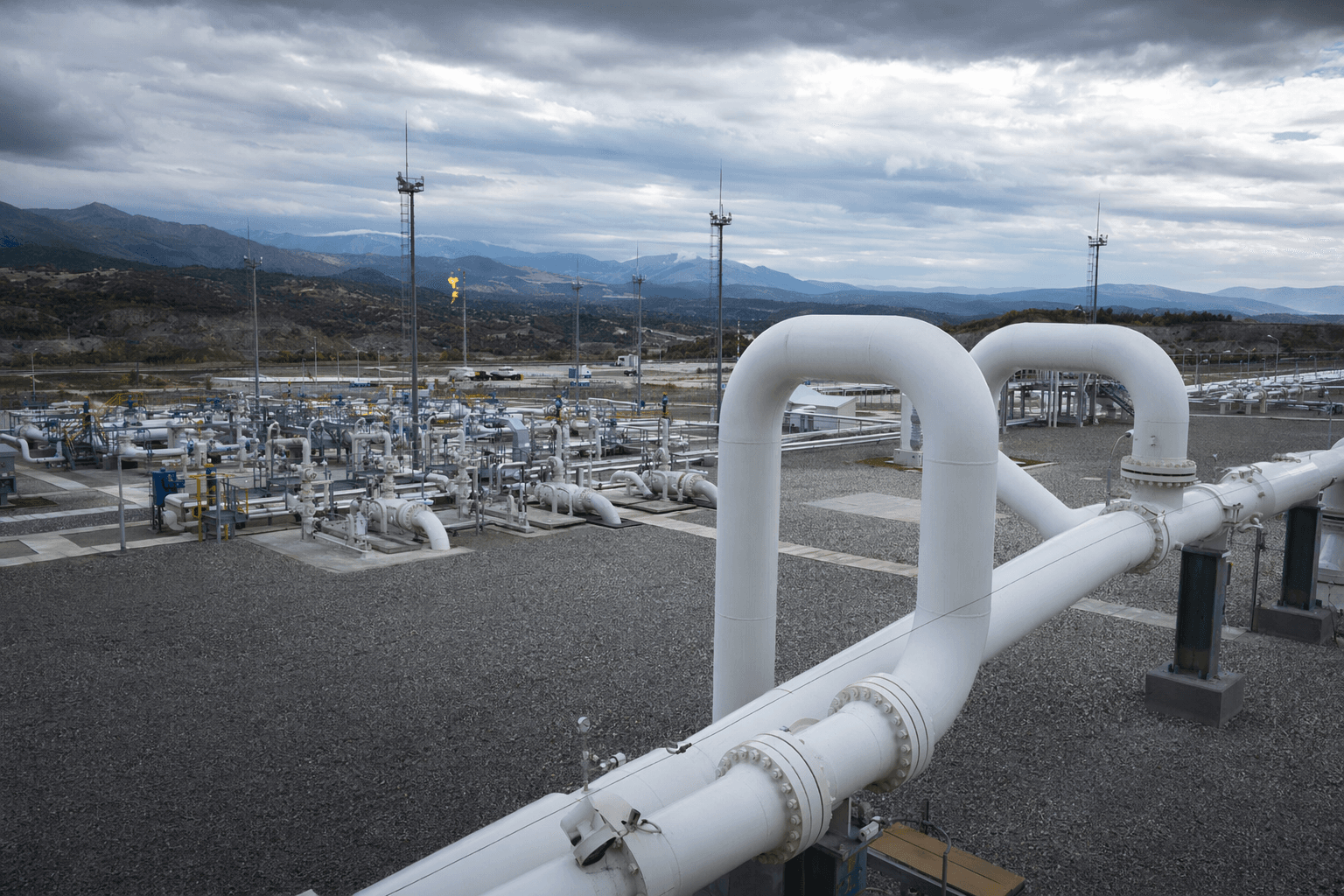
The stakes are modest in volume but large in politics. Recent reporting puts Bosnia’s annual gas imports at roughly 225 million cubic meters, a relatively small market by European standards, but one that is nearly entirely exposed to a single supplier. Local media and wire reports have estimated the pipeline could cost as much as $1.5 billion, a scale that will test financing, construction, and cross-border coordination before any gas actually flows.
The planned route runs from Zagvozd in Croatia through Posušje in Bosnia and Herzegovina toward Travnik and Novi Travnik, with a branch toward Mostar. Bosnia has designated U.S.-based AAFS Infrastructure and Energy as the project’s investor and developer, a choice that places foreign capital at the center of a project tied directly to national energy security.
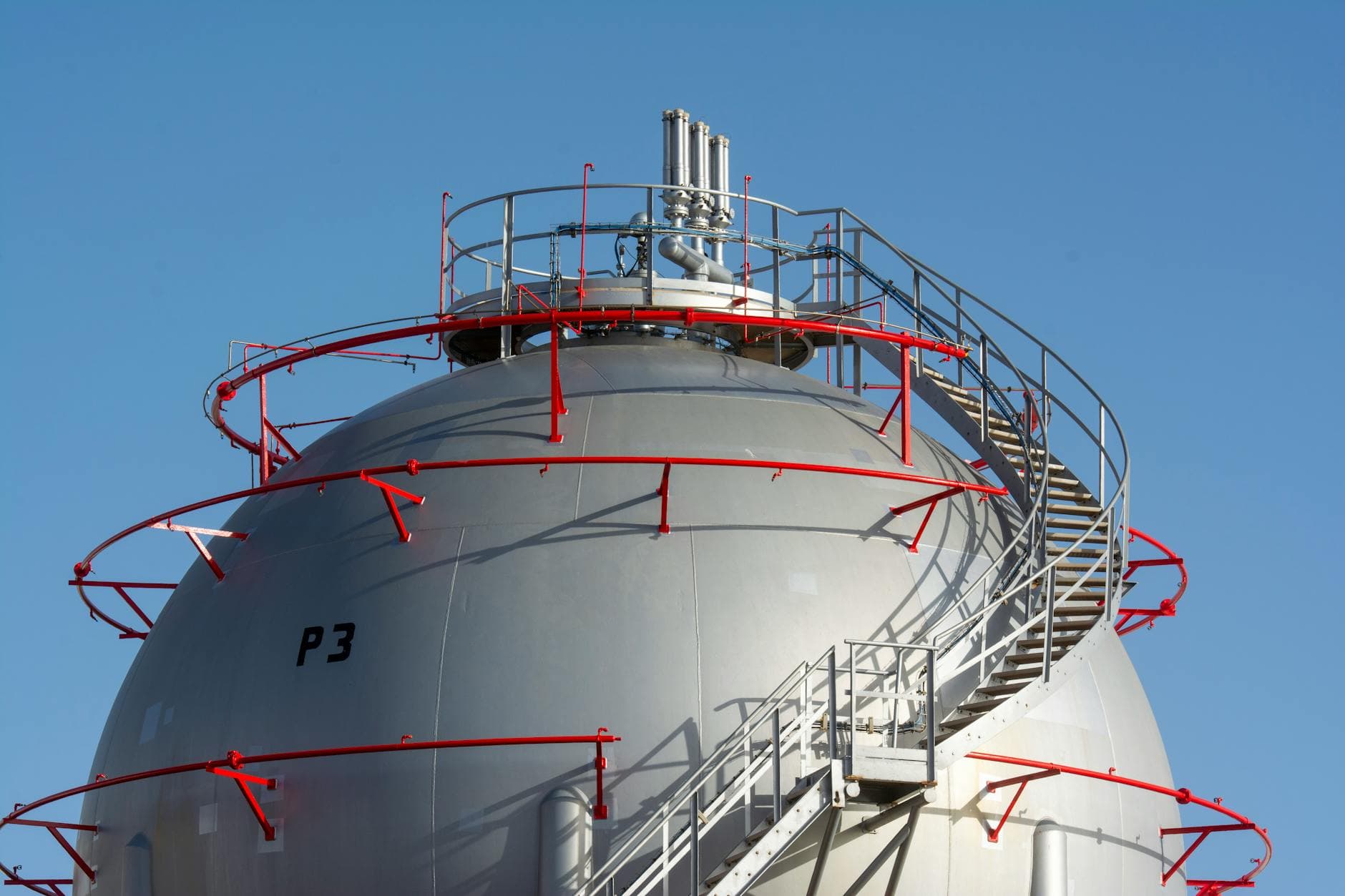
Whether the Southern Interconnection becomes transformational or remains partly symbolic will depend on execution. The route would give Bosnia a second option beyond Russian gas and, through Krk, a path to global LNG markets. That would improve leverage for Sarajevo and potentially loosen Moscow’s hold on a strategically sensitive corner of the Balkans. But the project still faces the hard realities of cost, permits, and regional politics, and its true value will be measured only if it moves from diplomatic ceremony to steel in the ground.
This article was produced by Prism’s automated news system from verified source data, official records, and press releases, then run through automated quality and moderation checks before publishing. The system is built and supervised by the people who set the standards it runs under. Read our full AI policy.
Did this article answer your question?