Cruise ship hantavirus passengers isolated at Merseyside hospital after outbreak
Arrowe Park Hospital held MV Hondius passengers for 72 hours after a hantavirus outbreak that left three dead, while officials said the public risk stayed very low.
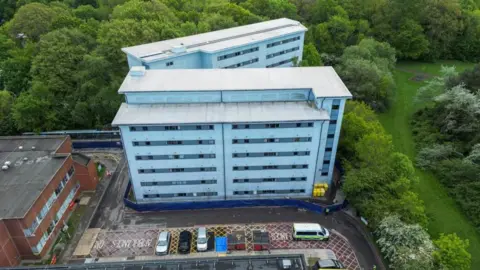
Passengers and crew from the MV Hondius spent 72 hours in isolation at Arrowe Park Hospital in Merseyside after a hantavirus outbreak on the Dutch cruise ship. The group was kept there as a precaution while clinicians assessed and tested repatriated passengers, including 20 British nationals, one German national who lives in the UK and one Japanese passenger who were brought in after arriving via Manchester Airport and travelling by coach from Tenerife.
The World Health Organization said the vessel carried 147 passengers and crew and, as of 4 May 2026, the outbreak had produced seven cases in all, including two laboratory confirmed cases and five suspected cases. Three people died, one patient was critically ill and three others reported mild symptoms. WHO said illness began between 6 and 28 April and that the disease could move quickly into pneumonia, acute respiratory distress syndrome and shock.
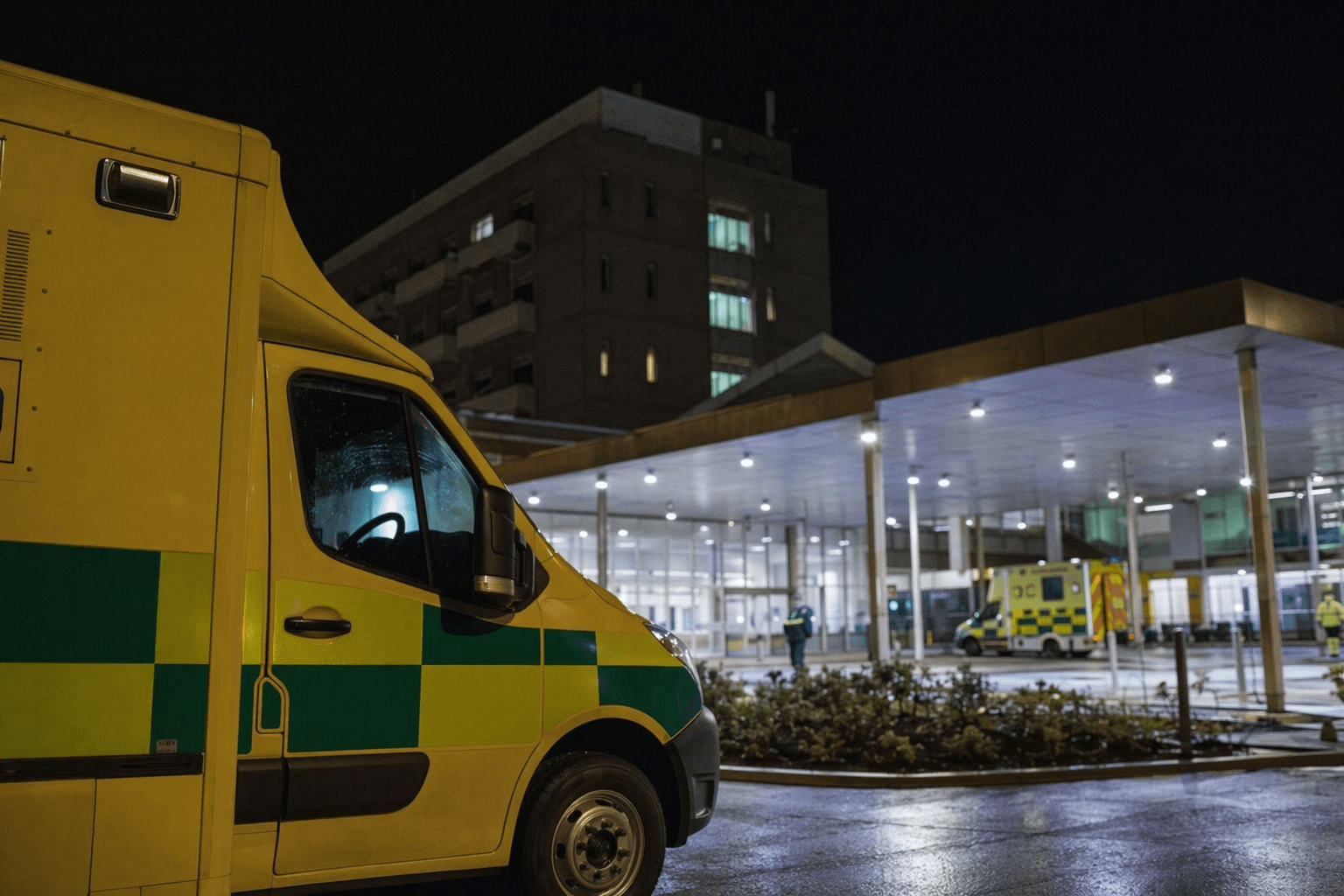
UK health officials said the public-facing danger remained very low because hantavirus is not spread through everyday social contact. That is why the response centered on isolation, medical review and testing rather than a wider public shutdown. The 72-hour hold at Arrowe Park was designed to separate people who may have been exposed, check for symptoms and watch for deterioration before anyone was cleared to leave.

The response also reflected what the cruise-ship outbreak had already become: an international repatriation and monitoring effort, not just a single shipboard illness. Some passengers were sent to other countries for treatment or observation, while the UK Health Security Agency continued public health advice and clinical assessment on the Wirral. The outbreak was linked to the MV Hondius after the ship departed Ushuaia, Argentina, on 1 April 2026.
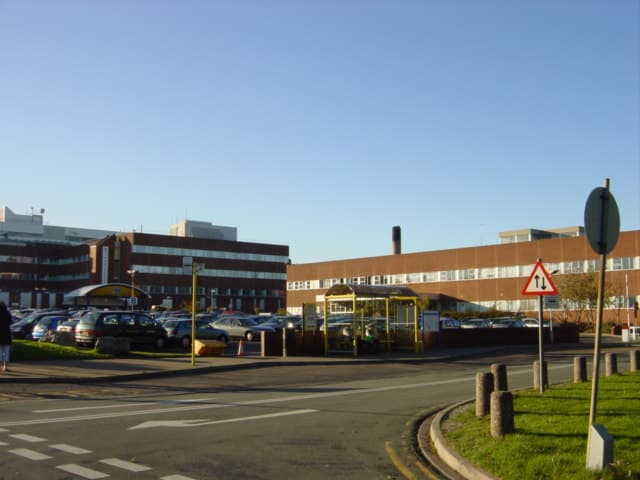
Arrowe Park Hospital was a familiar isolation site. It was used in January 2020 for Britons evacuated from Wuhan at the start of the COVID-19 pandemic, and reports described it as the UK’s first quarantine unit in decades. That history made it a logical place to hold the Hondius passengers now, when the public risk was judged low but the clinical stakes were serious. The episode showed a protocol built for exactly this kind of event: fast containment, careful testing and enough caution to protect both the passengers and the wider community without overstating the threat.
This article was produced by Prism’s automated news system from verified source data, official records, and press releases, then run through automated quality and moderation checks before publishing. The system is built and supervised by the people who set the standards it runs under. Read our full AI policy.
Did this article answer your question?


