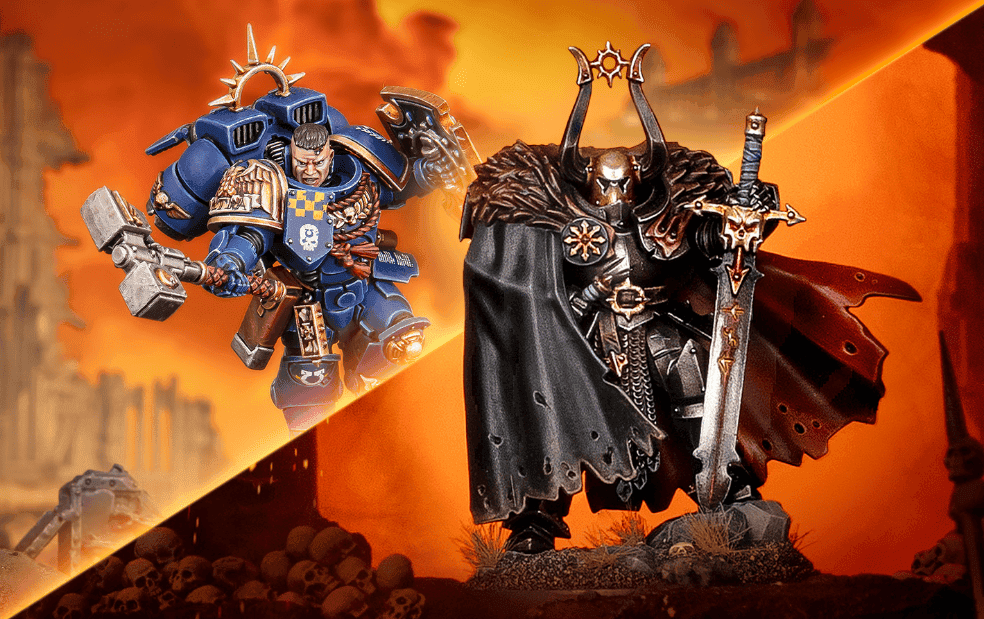
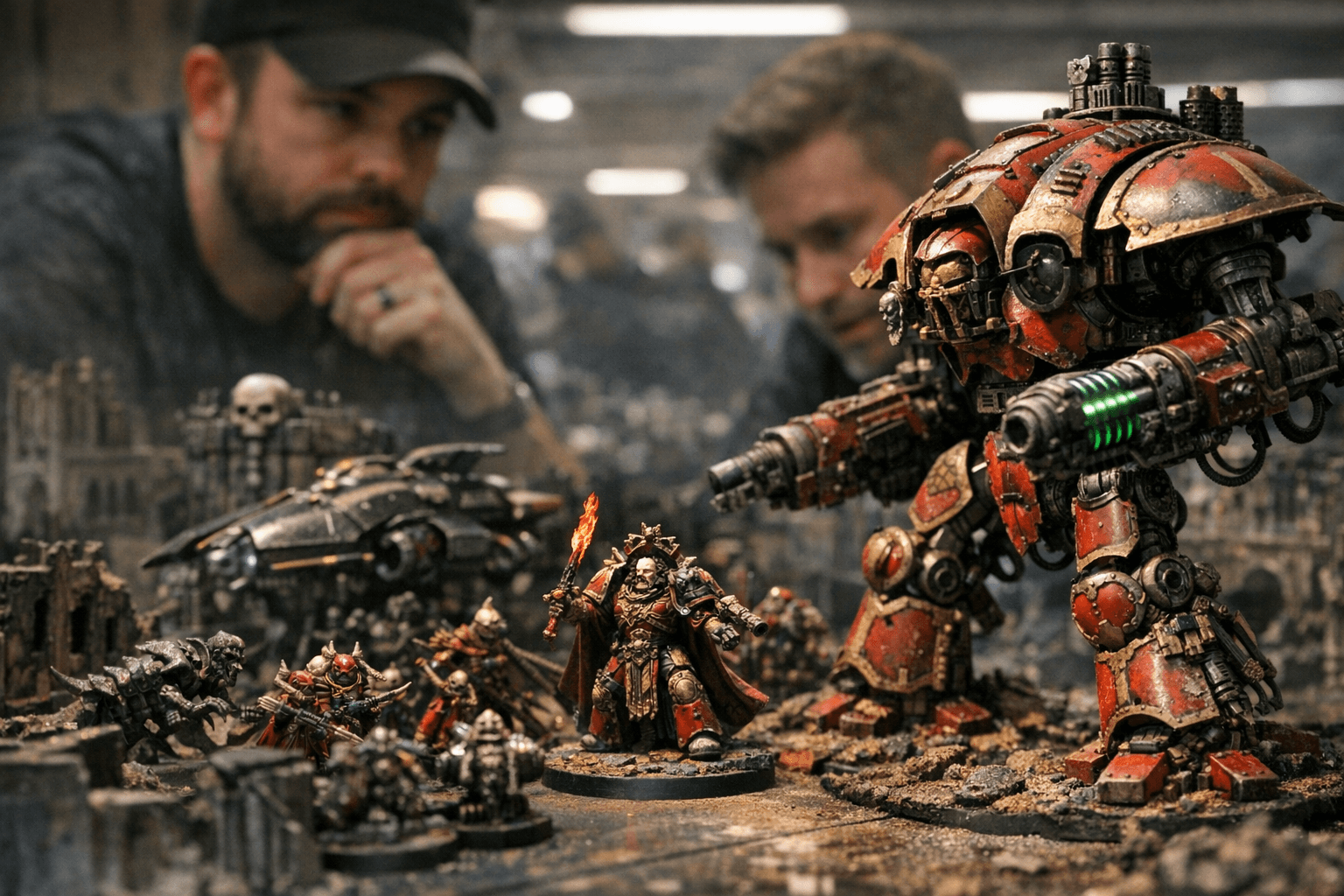
C’tan Shard of the Nightbringer Sets Miniature Painting Tone
Warhammer’s Nightbringer received two staff-painted showcases with full step-by-step techniques and colour notes; practical approaches help painters choose airbrush or brushwork.
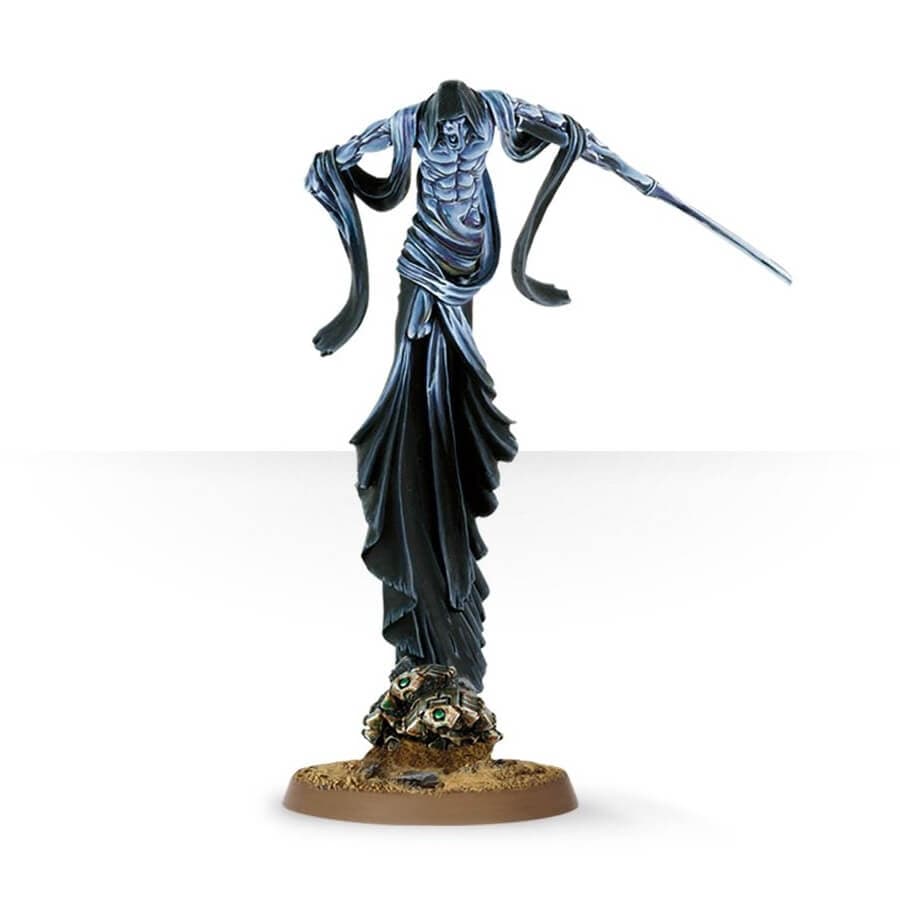
The C’tan Shard of the Nightbringer is probably in the running for best Warhammer 40,000 miniature of 2026, even though we’re just two weeks into the year – impressive stuff considering the calibre of miniatures in 2025. But there are lots of amazing miniatures to come, and you’ll see your first glimpse of what else is on the way this year in the New Year Preview tomorrow. For now, though, we’re a little bit obsessed with this huge, scythe-wielding deathdealer."
Two members of the extended community painting team took very different routes through that deathdealer, producing two practical, photo-backed schemes that highlight choices every painter faces: priming strategy, airbrush versus brushwork, metallic layering, and how to sell energy glows. The showcase offers step-by-step notes and images that make the processes repeatable for tabletop centrepieces and display builds.
Joel framed his approach around gameplay and narrative. "I’m a big fan of co-operative games, and I’d never painted any Necron models until Kill Team: Tomb World came out. I loved all the miniatures in that box, so I picked it up on release. Recently I’ve been working my way through that set and I’ve also really been enjoying playing co-op Kill Team with a friend, so the idea of a 'boss' for the game really appealed to me." His technique began with Chaos Black spray priming, then airbrushing Xereus Purple on the robes to build a soft base tone. Joel layered highlights and built metallic surfaces with successive metallics and washes for the body, finishing energy effects in vibrant greens with glazing and edge accents to sell depth and glow. His route shows how an airbrush can speed base transitions and lay down smooth, thin layers ideal for larger cloaks.
Luke took a more traditional brush-friendly path for a model he expects to anchor his Necron army. "When I first saw the Nightbringer I knew he would be the centrepiece model of my Necron army and was so excited to paint him. I have already been using the C’tan Shard of the Void Dragon in most of my games, so the idea of bringing his best buddy along too was so cool." Luke’s process started with a Chaos Black basecoat, then Leadbelcher and Runefang Steel drybrushed to pick out necrodermis ridges. Nuln Oil washes and selective drybrushing sculpted the robes, while red glows were painted from Mephiston Red into Wild Rider Red and Fire Dragon Bright for smooth transitions. Lilac lightning used Dechala Lilac with Druchii Violet washes and finished with white edge highlights; he also described base composition choices to frame the scythe and silhouette.
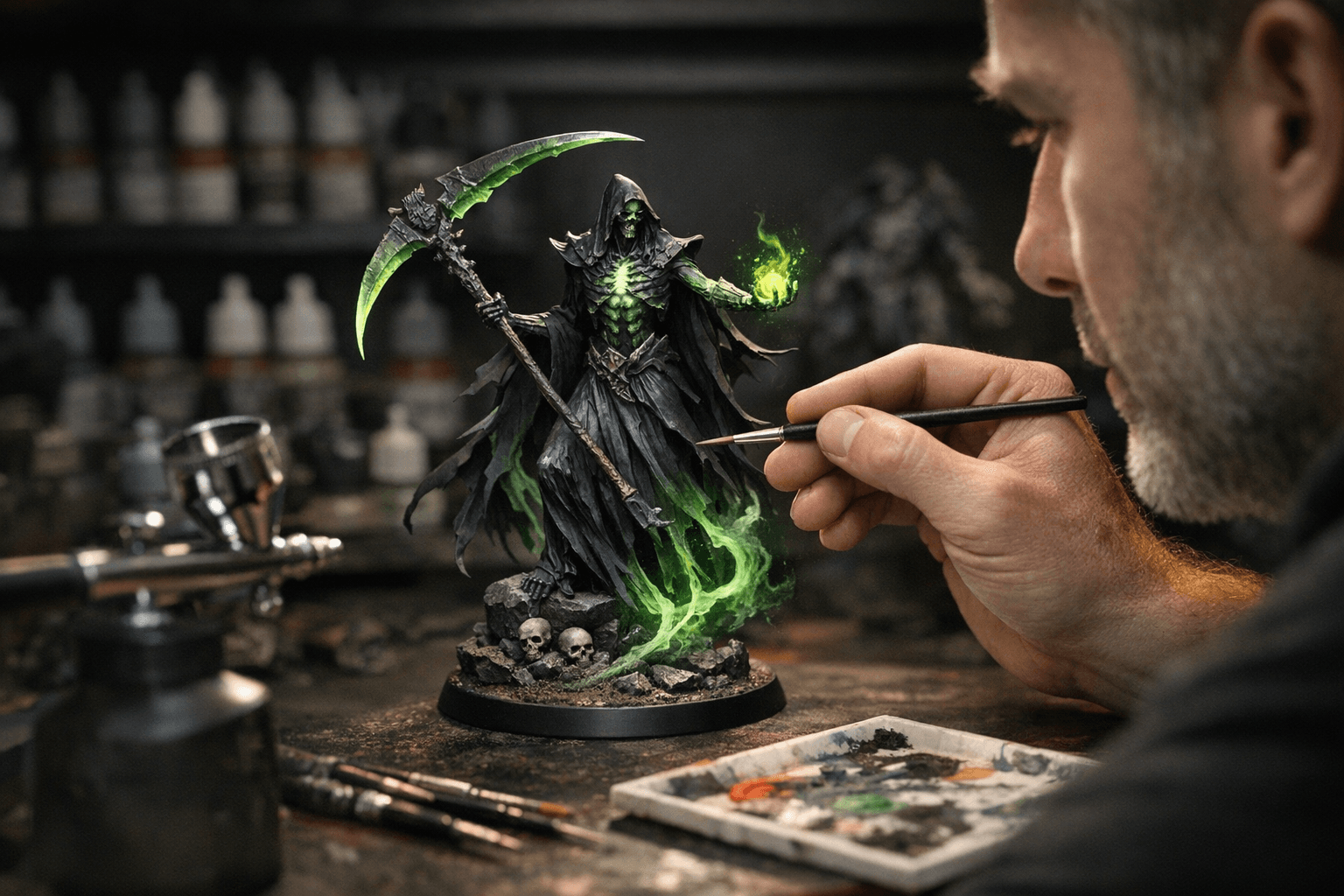
Practical value is immediate: follow Joel’s airbrush workflow to build smooth robe transitions and vivid greens, or use Luke’s drybrushing and glaze steps to emphasize machinery and localized glows. Both routes show how to balance metallics against saturated energy colours so the model reads on the table at gaming distance.
For painters looking to replicate or adapt these schemes, the showcase supplies paint names, order of operations, and photos to copy or tweak. Expect to see more community examples and pre-order links accompanying similar staff showcases, and use these two contrasting builds to decide whether an airbrush or old-school brushwork best fits your next centrepiece.
Sources:
Know something we missed? Have a correction or additional information?
Submit a Tip