Cuban Opposition Signs Freedom Accord After U.S. Signals Push for Change
Rosa María Payá and Orlando Gutierrez led Miami signings of the Freedom Accord on March 3, 2026, a pact calling for prisoner liberation, stabilization, reconstruction and elections.
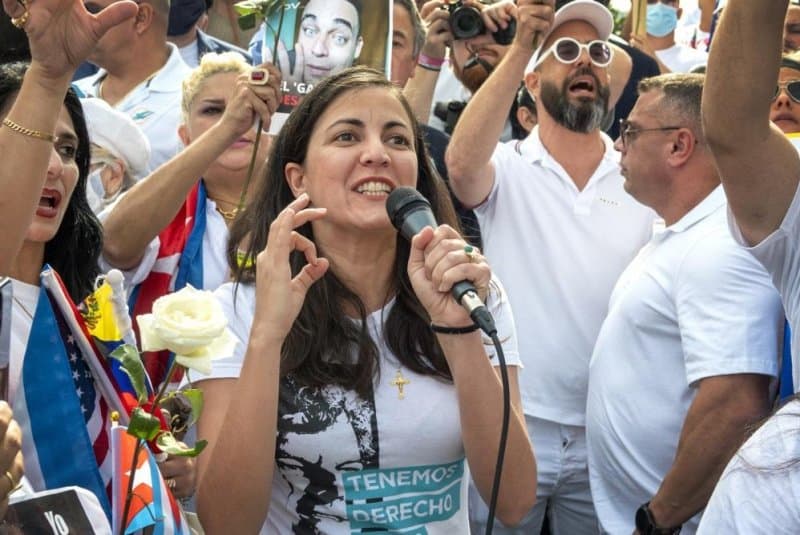
Leaders from Cuba Decide, Pasos de Cambio and the Assembly of the Cuban Resistance signed the Freedom Accord in Miami on March 3, 2026, presenting what organizers described as a coordinated framework aimed at liberating the island and launching a democratic transition that explicitly lists liberation of prisoners, stabilization, reconstruction and elections. The ceremony brought together exiles and island dissidents and was described by organizers as a three-phase roadmap, though the full text of the Accord has not been released.
Rosa María Payá, daughter of Oswaldo Payá and leader of Pasos de Cambio, led the signing and framed the document as an actionable plan. Payá told attendees, "We have a plan because we are convinced - we know - that the only way out of the crisis is to get rid of the dictatorship." Payá's role and pedigree were highlighted by organizers as central to uniting disparate opposition currents around the Accord.
Orlando Gutierrez of the Assembly of the Cuban Resistance tied the signing to recent U.S. policy signals and pressed for unified action. Gutierrez said, "As the president's emergency order has clearly defined the regime in Cuba as a threat to U.S. national security, we are here to work together. We're here to do everything - to save Cuba." He added, "We don't come here to unify under party banners, but under the dream and the promise of a free and just Cuba" and warned that "Freedom will simply not fall out of the sky."
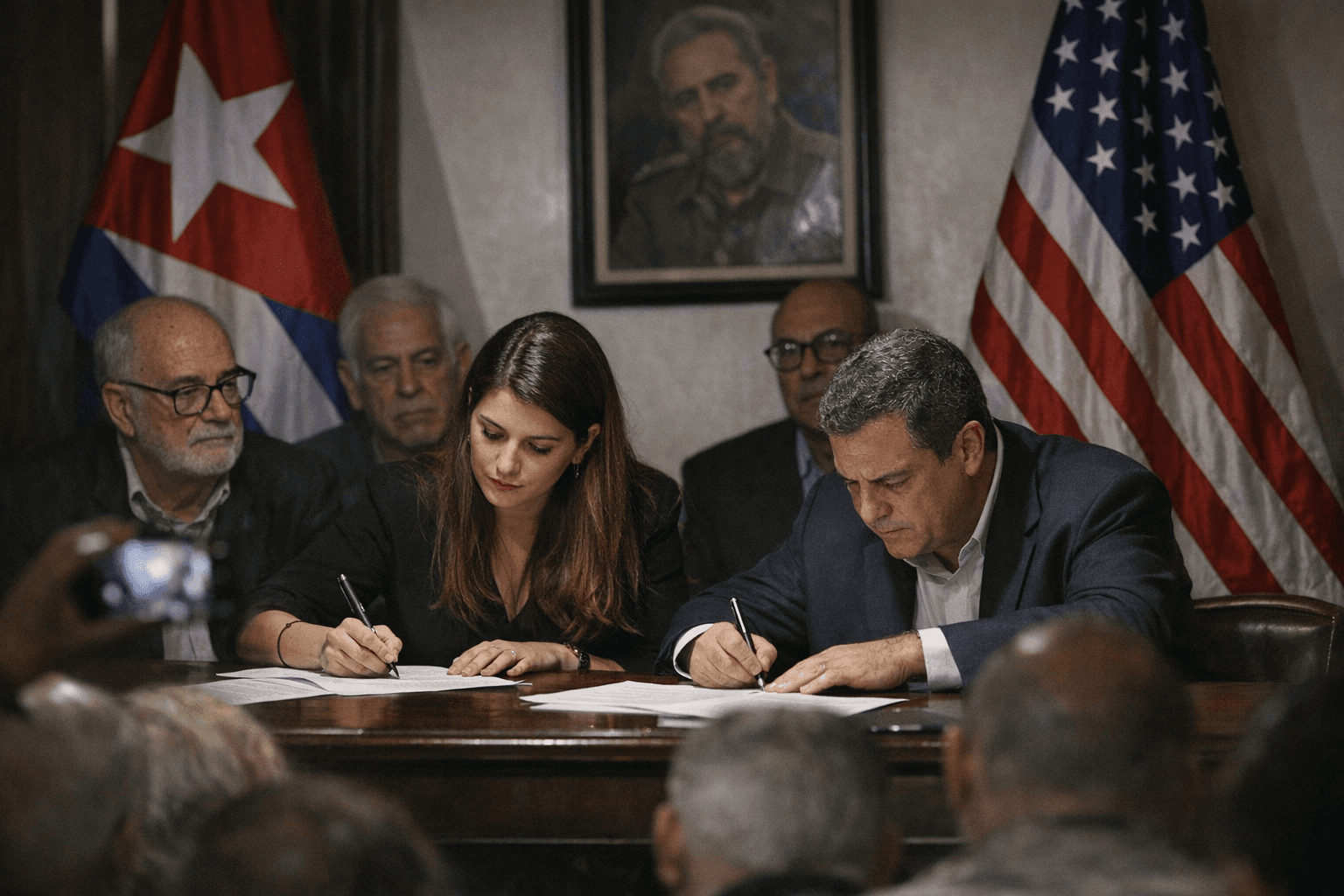
After the agreement was signed, organizers placed the document inside a shrine to Our Lady of Charity, the patroness of Cuba, where participants prayed for what they described as a free and just nation. Organizers noted the Cuban flag and the American flag were present in the room as symbols of exile-island cooperation; CBS Miami reported the signing was led by Payá and quoted organizers calling the Accord "the first pact of its kind" to present a coordinated transitional framework endorsed by a unified coalition of Cuban opposition forces.
The Accord’s declared components echo earlier exile initiatives and longstanding demands. The 1990 Declaration of Madrid and the Cuban Democratic Platform set out five conditions for elections - amnesty for political prisoners, constitutional changes to permit political parties and freedom of association, respect for the Universal Declaration of Human Rights, promotion of trade union rights, and discussion among the Cuban government, exiles and internal dissidents on a transition to democracy. U.S. policy language in the Cuban Liberty and Democratic Solidarity Act also reaffirms that self-determination and U.S. support for a Cuban transition remain official touchstones, organizers cited as background for their strategy.
Reporting and source material show gaps remain: the full text of the Freedom Accord, the explicit three-phase roadmap, and a complete signatory list were not published at the ceremony, and one early report noted critics debate its representation but did not provide full critiques. Recent dissident developments underscore the stakes on the island: an opposition leader identified as Ferrer was exiled to the United States on October 13, 2025 after a sequence of release and rearrest earlier in 2025, a timeline organizers cited when arguing that island dissidents must be included in any transition plan.
Organizers in Miami framed the Accord as readiness to act amid what they described as renewed U.S. pressure for change under President Donald Trump. They said the document sets a roadmap for immediate priorities on prisoners and stabilization and for eventual elections, even as the movement and external observers seek the Accord’s full text and replies from critics and Cuban authorities.
Know something we missed? Have a correction or additional information?
Submit a Tip