Cubans turn to charcoal and firewood amid crippling blackouts
Charcoal smoke has become the smell of survival in Santiago de Cuba, where families are cooking through blackouts that have stretched for days.
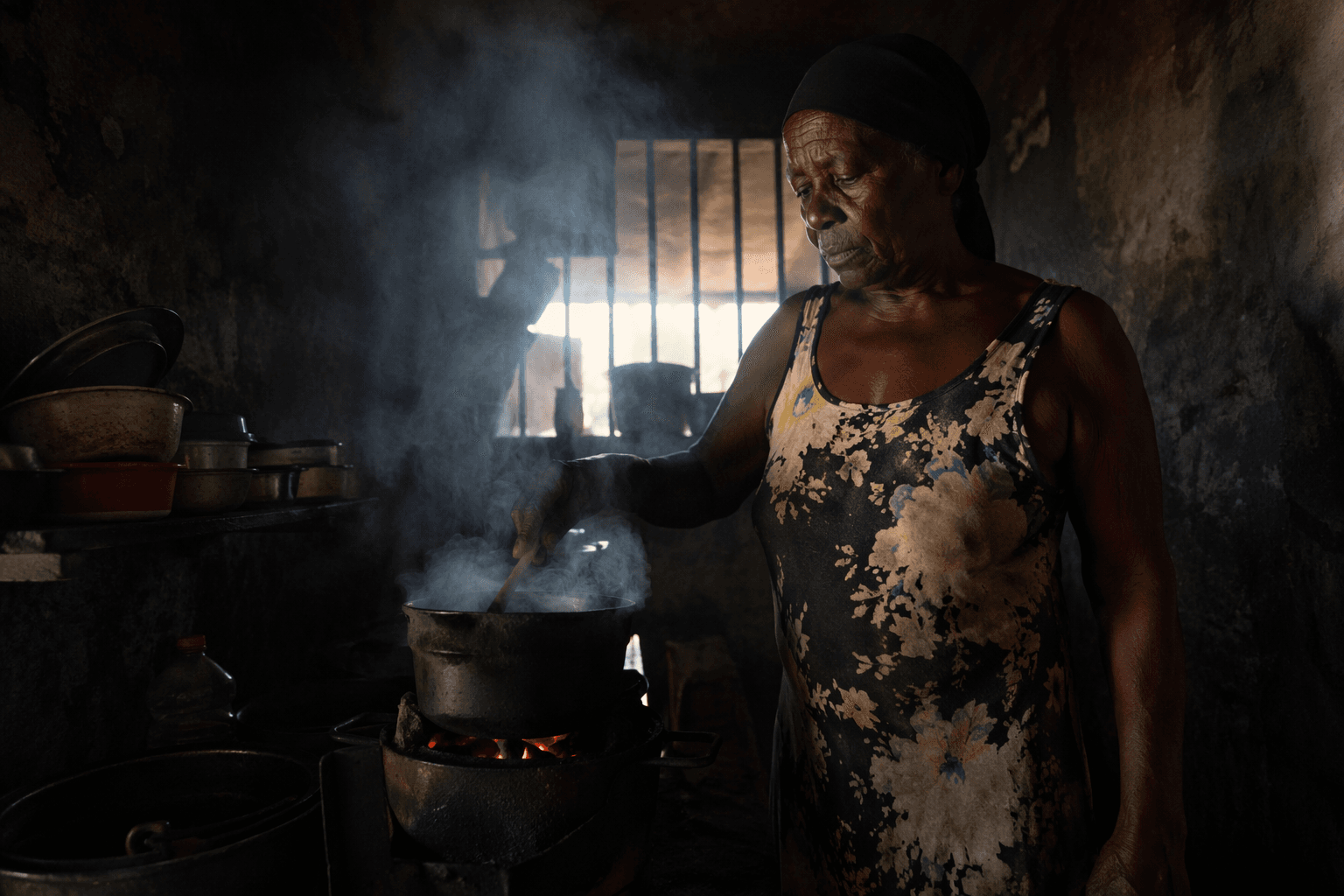
Charcoal smoke has become the smell of survival in Santiago de Cuba, where apartment tower residents have turned to firewood and charcoal after cooking gas ran short and power cuts deepened. In a country already strained by fuel shortages, the shift has pushed daily life back to a slower, harsher rhythm, with meals planned around what can be burned, bought or saved.
The crisis widened in May as Cuba said its fuel reserves had run out. Energy minister Vicente de la O Levy said on May 14 that the country had run out of oil and diesel, while protests broke out in Havana on May 13 as residents blocked roads and called for the lights to come back on. The blackouts have become the worst rolling outages Cuba has faced in decades, with some neighborhoods in Havana losing power for more than 20 hours at a time and other areas going without electricity for multiple days.
The fallout has landed hardest on ordinary households. In Santiago de Cuba, the cradle of the Cuban revolution, residents of apartment buildings have been forced to cook with charcoal and wood despite the health concerns and higher cost of those fuels. Some Cubans with more money have tried to install solar panels, but most households cannot afford that option and remain dependent on dirtier, more precarious alternatives.
Cuba’s energy squeeze has also exposed how dependent the island became on imported oil. In 2025, Venezuela was sending about 26,500 barrels per day, roughly 24% of Cuba’s daily consumption, but those shipments have largely stopped. That collapse in supply has collided with years of grid problems and economic strain, intensifying a crisis that analysts have compared with the Special Period of the 1990s, when the island endured a devastating post-Soviet collapse.
The political standoff is now inseparable from the power crisis. The Trump administration has offered $100 million in aid while maintaining pressure on Cuba, and President Miguel Díaz-Canel has urged Washington to end the embargo instead of offering assistance. For families trying to keep food on the table, the argument is far removed from the kitchen floor, where charcoal, firewood and smoke have become part of the price of getting through the day.
This article was produced by Prism’s automated news system from verified source data, official records, and press releases, then run through automated quality and moderation checks before publishing. The system is built and supervised by the people who set the standards it runs under. Read our full AI policy.
Did this article answer your question?