Cuba's revolutionary strongman Ramiro Valdés dies at 94
Ramiro Valdés Menéndez died at 94, leaving behind the interior ministry and security system he helped build to watch dissent and defend Cuba’s one-party rule.
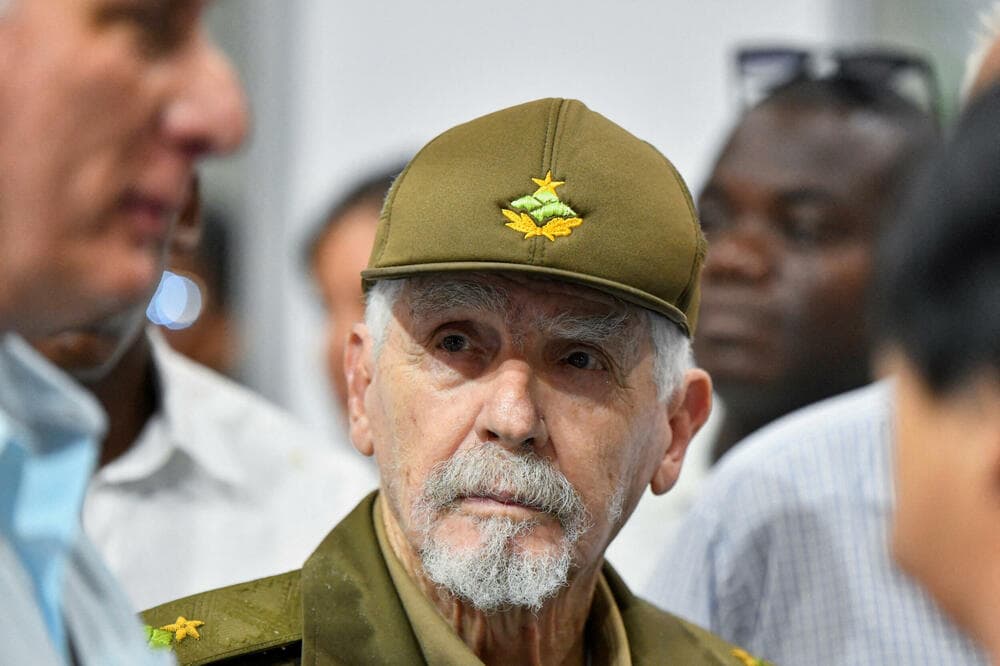
Ramiro Valdés Menéndez, one of the Castro era’s most enduring hard-liners, died at 94 and left behind a political order shaped by the security apparatus he helped build from the revolution’s earliest days. As Cuba’s first interior minister, he stood at the center of the machinery that monitored dissent, disciplined rivals and helped define daily life on the island for generations.
Born April 28, 1932, in Artemisa in western Cuba, Valdés was 21 when he joined Fidel Castro’s 1953 attack on the Moncada barracks, the opening act of the Cuban Revolution. He later fought under Ernesto “Che” Guevara and became one of Fidel and Raúl Castro’s closest allies, a status reinforced by the honorary title of Commander of the Revolution and the title Hero of the Republic of Cuba. The Cuban government and Communist Party said no cause of death was provided.
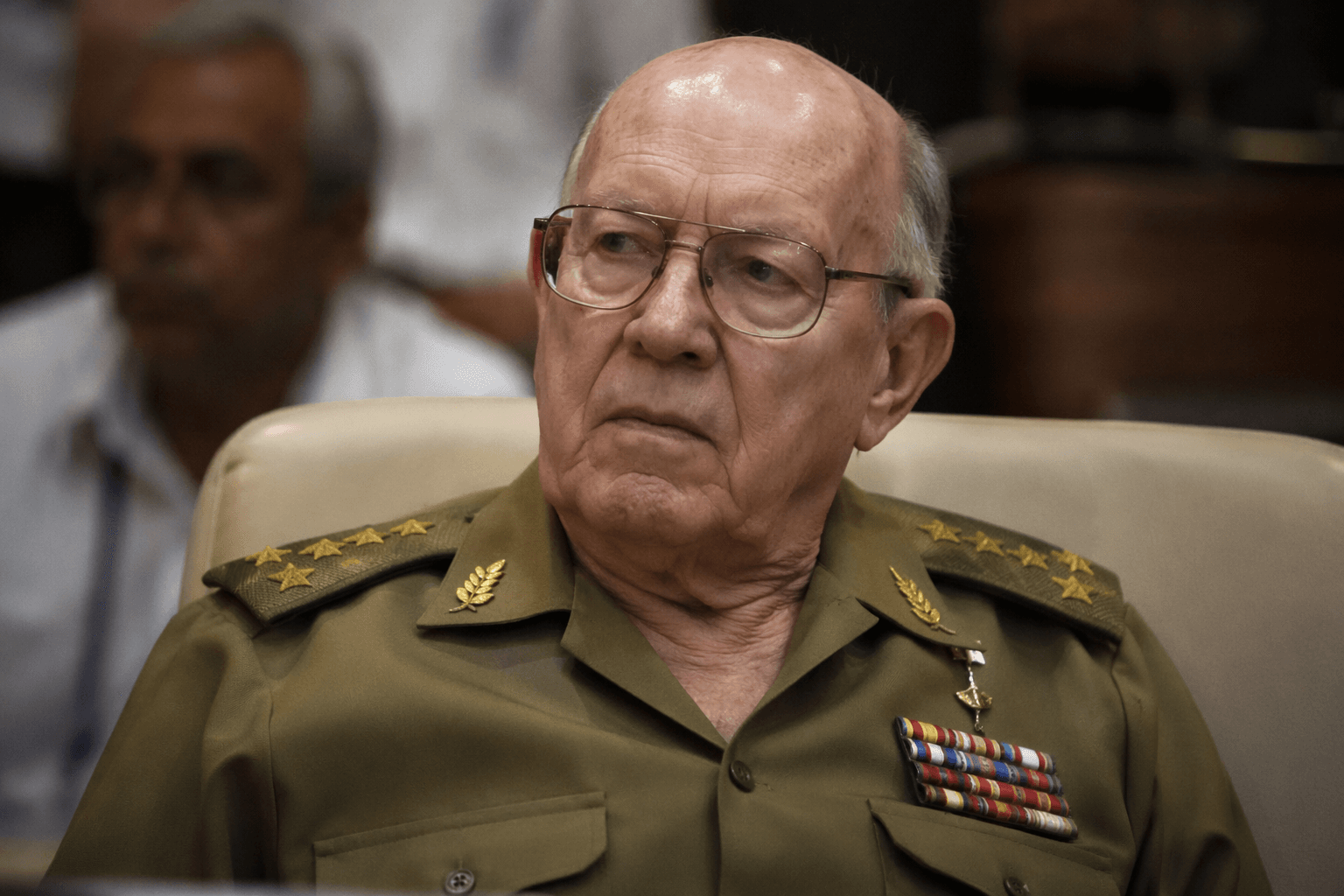
Valdés served twice as interior minister, from 1961 to 1968 and again from 1979 to 1985, placing him in charge of a ministry that became synonymous with political surveillance and internal control. Critics and exile-linked outlets described him as a principal architect of Cuba’s repressive security system, while the official narrative cast him as a disciplined revolutionary guardian. That split defined his public legacy: on one side, a loyal organizer of the state; on the other, a man associated with the apparatus that kept opponents under watch and helped make dissent costly.
He fell out of Fidel Castro’s favor in 1986 and disappeared from the main circle of power, but the setback did not end his influence. In 1997, he led a mission to Bolivia to help locate and repatriate Guevara’s remains, an assignment that signaled how much trust the leadership still placed in him. Raúl Castro brought him back into government in 2006 to lead the telecommunications ministry, then elevated him to vice president in 2009. By 2011, he had become one of the Communist Party’s top three leaders.
Miguel Díaz-Canel said Valdés’s death felt like losing a father and praised his loyalty to Fidel and Raúl Castro. Official Cuban media said he deserved the respect and admiration of the Cuban people for his dedication to the revolutionary cause. His death further thins the ranks of Cuba’s founding generation, but the institutions he helped shape, especially the security state, remain a defining force in Cuban life.
This article was produced by Prism’s automated news system from verified source data, official records, and press releases, then run through automated quality and moderation checks before publishing. The system is built and supervised by the people who set the standards it runs under. Read our full AI policy.
Did this article answer your question?