Customs Prepares to Refund $35.46 Billion in Illegal Tariffs
Customs says 8.3 million shipments now carry $35.46 billion in refunds, a cash reversal that could lift importers and strain federal accounts.
The federal customs system is bracing for a refund bill that has already reached $35.46 billion, a signal that the money collected on now-illegal tariffs is moving back toward importers, one shipment at a time.
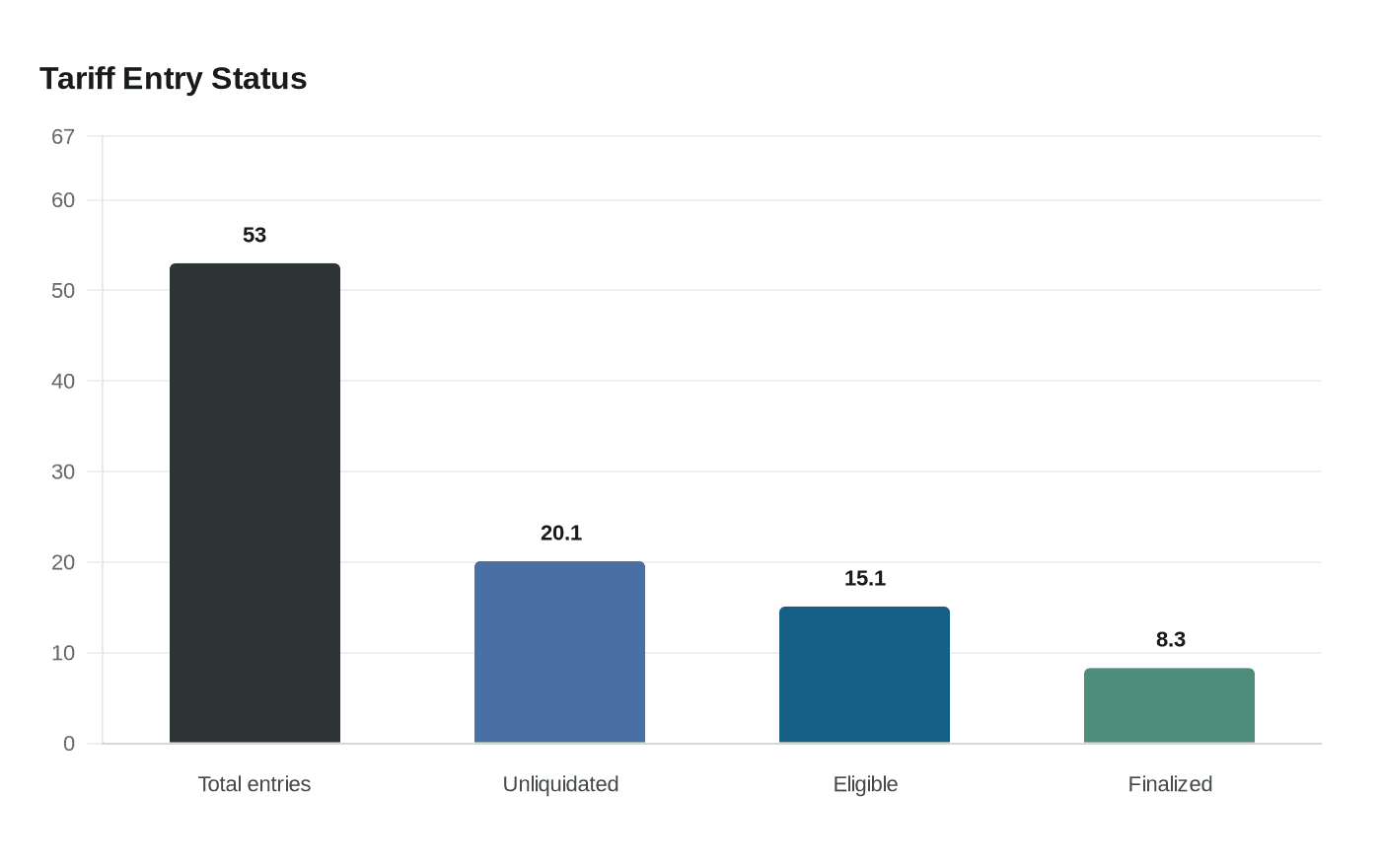
U.S. Customs and Border Protection said in a court filing that, by 7 a.m. Eastern time on May 11, it had finalized 8.3 million shipments tied to refunds and had received 126,237 refund applications. The agency had validated 86,874 of those claims, covering 15.1 million entries eligible for repayment. The figures show how quickly a legal reversal has turned into an administrative race to match duties, importers and interest payments across millions of transactions.
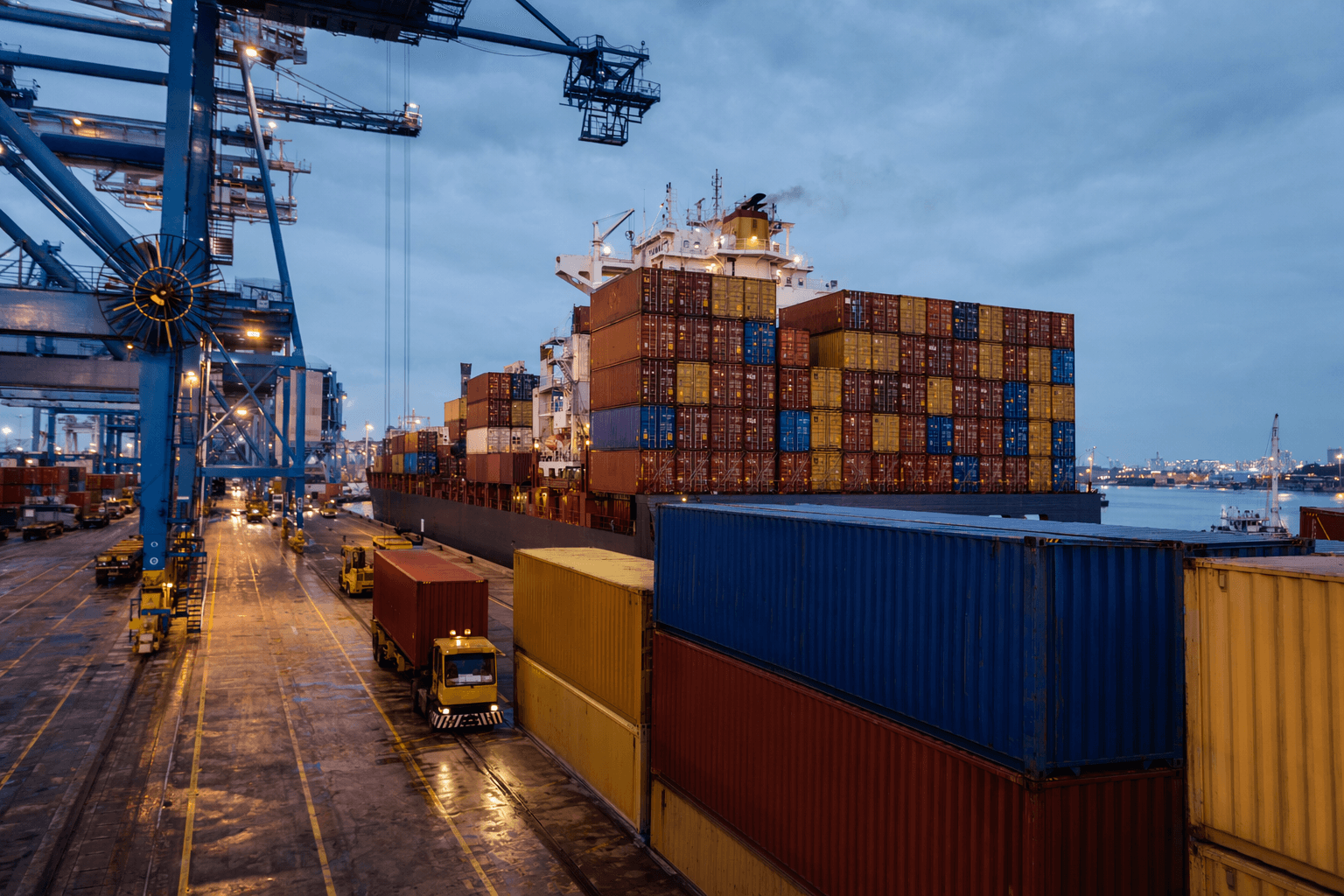
The refunds stem from tariffs the U.S. Supreme Court struck down in a 6-3 decision on February 20, 2026, finding that the sweeping levies exceeded presidential authority under the International Emergency Economic Powers Act. In dissent, Justice Brett Kavanaugh warned that the government may have to refund billions of dollars and that the process could be difficult. Customs later told a federal judge in March that it needed 45 days to build a system capable of handling the unprecedented workload, saying it was dealing with about 53 million tariff-bearing entries, roughly 20.1 million of them still unliquidated, and about $166 billion in tariff revenue.
The money trail now runs through the balance sheets of companies that paid the duties and through the federal accounts that booked the revenue. Major importers, including automakers and Under Armour, have said the reimbursements could improve profits, turning a legal remedy into a near-term earnings lift. For firms with large import volumes, the refunds may ease working-capital pressure and reduce uncertainty over costs already absorbed into pricing, inventories and contracts.
The government is also trying to avoid paying millions of claims one by one. Customs said it plans to streamline refunds and interest payments through new ACE system functionality, consolidating returns by importer rather than issuing separate entry-specific payments. That matters because the scale of the unwinding is not limited to the Supreme Court ruling. On May 7, the U.S. Court of International Trade also found Donald Trump’s 10 percent global backup tariffs under Section 122 unlawful, though relief was limited to the plaintiffs. The broader message is that tariff policy can send enormous sums through the economy quickly, and reversing it can be just as disruptive as imposing it in the first place.
This article was produced by Prism’s automated news system from verified source data, official records, and press releases, then run through automated quality and moderation checks before publishing. The system is built and supervised by the people who set the standards it runs under. Read our full AI policy.
Did this article answer your question?