CVS Caremark to restore Zepbound coverage, add Lilly obesity pill
CVS Caremark will bring Zepbound back to some commercial drug lists on Oct. 1, while also adding Lilly’s new obesity pill on June 1.
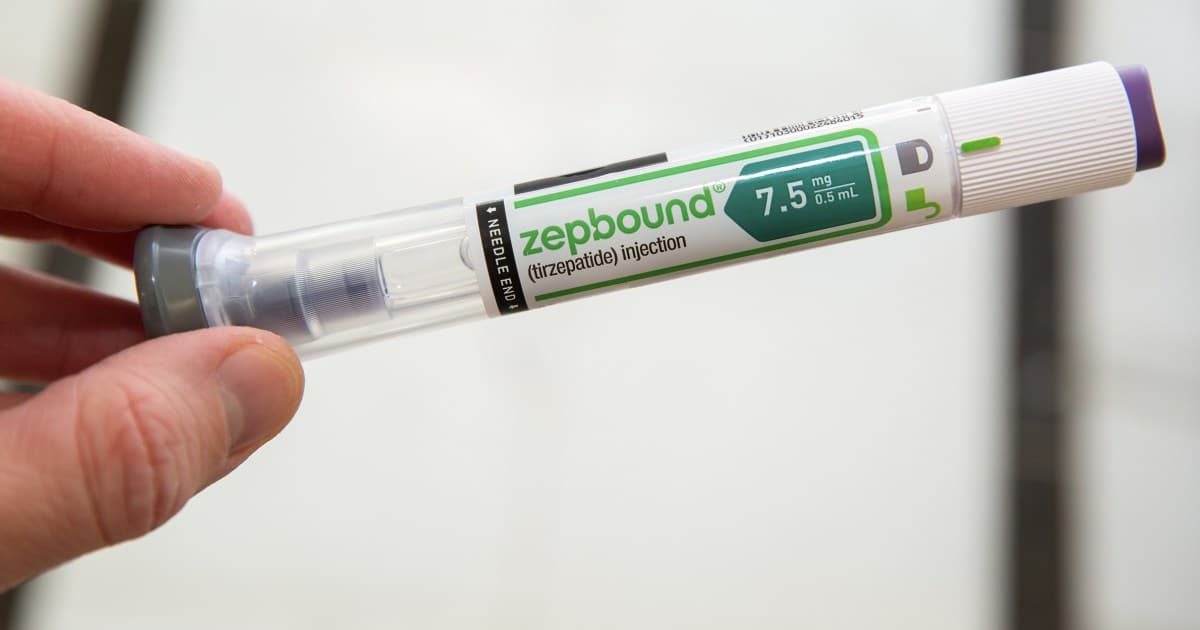
Some commercially insured patients will regain access to Zepbound through CVS Caremark plans this fall, a reversal that could lower out-of-pocket costs for people whose employers or plan sponsors follow the benefit manager’s template formulary. CVS Health said Zepbound will return to some of its drug lists as an additional preferred option on Oct. 1, 2026, and that plan sponsors can still customize coverage for their members.
The move matters because CVS Caremark is one of the largest pharmacy benefit managers in the United States, giving it outsized influence over which obesity drugs reach millions of people and what they pay at the pharmacy counter. CVS also said it will begin covering Eli Lilly’s newly approved obesity pill, Foundayo, on June 1, 2026, placing two Lilly weight-loss products back in a stronger position on its commercial lists.

The shift reverses CVS Caremark’s 2025 decision to drop Zepbound from its Standard Control, Advanced Control and Value formularies, effective July 1, 2025. At the time, CVS said the change was meant to manage costs and steer patients toward clinically appropriate, lower-cost options. It continued to prefer similar drugs, including Novo Nordisk’s Wegovy, and Reuters reported that Wegovy became the preferred obesity treatment on CVS’s standard plans before Zepbound’s restoration.
For patients, the practical effect will depend on the employer or health plan behind the benefit. CVS said sponsors using its template formularies retain discretion to customize coverage, so Zepbound will not automatically be available everywhere on the same terms. Even so, the return of coverage should improve access for at least some commercially insured patients who were shut out when the drug disappeared from the CVS lists last year.
The policy flip also underscores how the obesity-drug market is being shaped less by headline approvals than by benefit managers deciding what gets paid for. Lilly has described Zepbound as its blockbuster weight-loss injection, and the company has been pushing access through self-pay channels including LillyDirect and Zepbound single-dose vials. Demand has remained strong. In February 2026, Lilly said fourth-quarter 2025 revenue rose 43% to $19.3 billion, powered in part by Mounjaro and Zepbound, and it projected 2026 revenue of $80 billion to $83 billion.
The earlier coverage cut hit patients and employers hard. After CVS removed Zepbound, some patients told NPR they were devastated, and a later class-action lawsuit alleged CVS Caremark unlawfully changed coverage. The decision also rippled into public plans, including the Massachusetts Group Insurance Commission, which said Zepbound would be removed from CVS Caremark-administered plans effective July 1, 2025.
This article was produced by Prism’s automated news system from verified source data, official records, and press releases, then run through automated quality and moderation checks before publishing. The system is built and supervised by the people who set the standards it runs under. Read our full AI policy.
Did this article answer your question?