Cyprus central banker urges Europe to back joint debt issuance
Christodoulos Patsalides said Europe needs a permanent common safe asset, not just crisis debt. Germany and the Netherlands still resist joint borrowing as a route to lower costs and bigger EU financing.
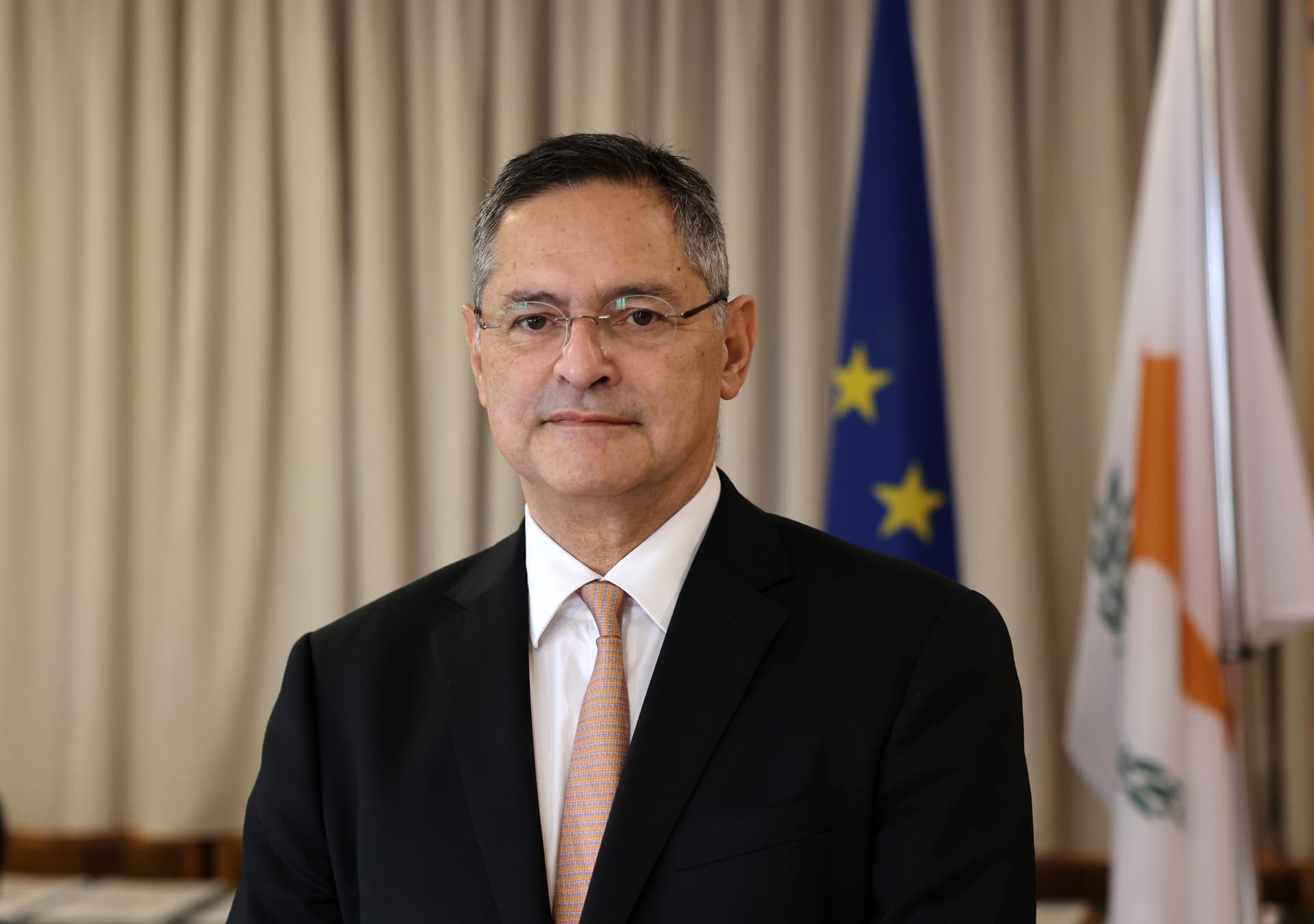
Europe’s long resistance to joint debt is looking less like prudence and more like a handicap, as Cypriot central bank chief Christodoulos Patsalides argues the euro area needs a permanent common safe asset to anchor its financial system. He says the bloc still lacks a large, liquid benchmark instrument, leaving borrowing costs higher than they should be and the euro without the depth that U.S. Treasury markets provide.
Patsalides, who sits on the European Central Bank’s Governing Council, framed the case as one of sovereignty as much as finance. In a February 10 speech, he said Europe has been hit by an exceptional sequence of shocks, from the Covid-19 pandemic and soaring energy prices to wars and wider geopolitical tensions. Russia’s invasion of Ukraine, alongside elevated debt levels, has left governments with less fiscal space just as defense, technology and climate investment needs are rising.
The ECB has recently moved closer to that argument. On April 22, 2026, ECB Executive Board member Philip R. Lane said a benchmark safe asset is a foundational element of any autonomous monetary system. Lane said the euro area has an undersupply of euro-denominated safe assets and that German Bunds are the main de facto euro safe asset, but their stock is too small for euro-area and global demand. He also pointed to Next Generation EU as a rare example of solidarity through joint borrowing.
The ECB’s June 2026 analysis of safe assets sharpened the market case. It said safe assets reduce borrowing costs for issuers, while U.S. Treasuries command a convenience yield because investors value their safety, liquidity and collateral role. The study also said the U.S. Treasury basis has historically been more negative than the euro government basis, a sign of stronger foreign demand for Treasuries than for comparable euro-area debt, even if that gap has narrowed in recent years.

For Europe, the practical stakes are large. A common safe asset would not only lower funding costs for the EU itself; it would also provide a pricing benchmark and collateral pool for banks, insurers and pension funds, deepen capital markets and help channel household savings into larger pools of financing. Patsalides said that kind of scale could support shared spending on the green transition, digitalization, artificial intelligence, defense, health preparedness and energy security.
The political obstacle remains formidable. Germany, the Netherlands and Sweden have opposed EU joint borrowing, while Denmark has been skeptical. Dutch Finance Minister Eelco Heinen has said the EU’s 2028-2034 budget would not be a basis for common borrowing, and Germany has repeatedly blocked defense-linked joint debt proposals, including under former finance minister Christian Lindner. Yet the debate has clearly shifted, with some central bankers now arguing that the euro area cannot build a truly competitive financial system while treating common borrowing as a crisis-only exception.
This article was produced by Prism’s automated news system from verified source data, official records, and press releases, then run through automated quality and moderation checks before publishing. The system is built and supervised by the people who set the standards it runs under. Read our full AI policy.
Know something we missed? Have a correction or additional information?
Submit a Tip