Czech castle displays 133-bottle Nazi-era wine cache, still drinkable
A 133-bottle cache hidden under a Czech chapel floor survived the war, and a 2016 tasting found all but one bottle still drinkable.

Behind the restored walls of Bečov Castle, 133 bottles of archive wine and cognac now sit on public display as a rare relic of both wartime concealment and contested family memory. The cache was hidden under the chapel floor at the end of World War II by the Beaufort-Spontin family, who owned the Bečov estate from 1838 to 1945 and were later described by the castle as sympathetic to Nazi Germany.
The collection is part of the larger Bečov treasure found in 1985 in western Czech Republic, when investigators uncovered the hiding place beneath the chapel floor and recovered the St. Maurus Reliquary alongside the wine. The reliquary, one of the region’s most closely watched medieval artifacts, was restored and returned to Bečov for display in 2002 after conservation work in Prague. Together, the two objects turned the castle into a case study in how Europe continues to unearth wealth and artifacts entangled with wartime collaboration, flight and state takeover.
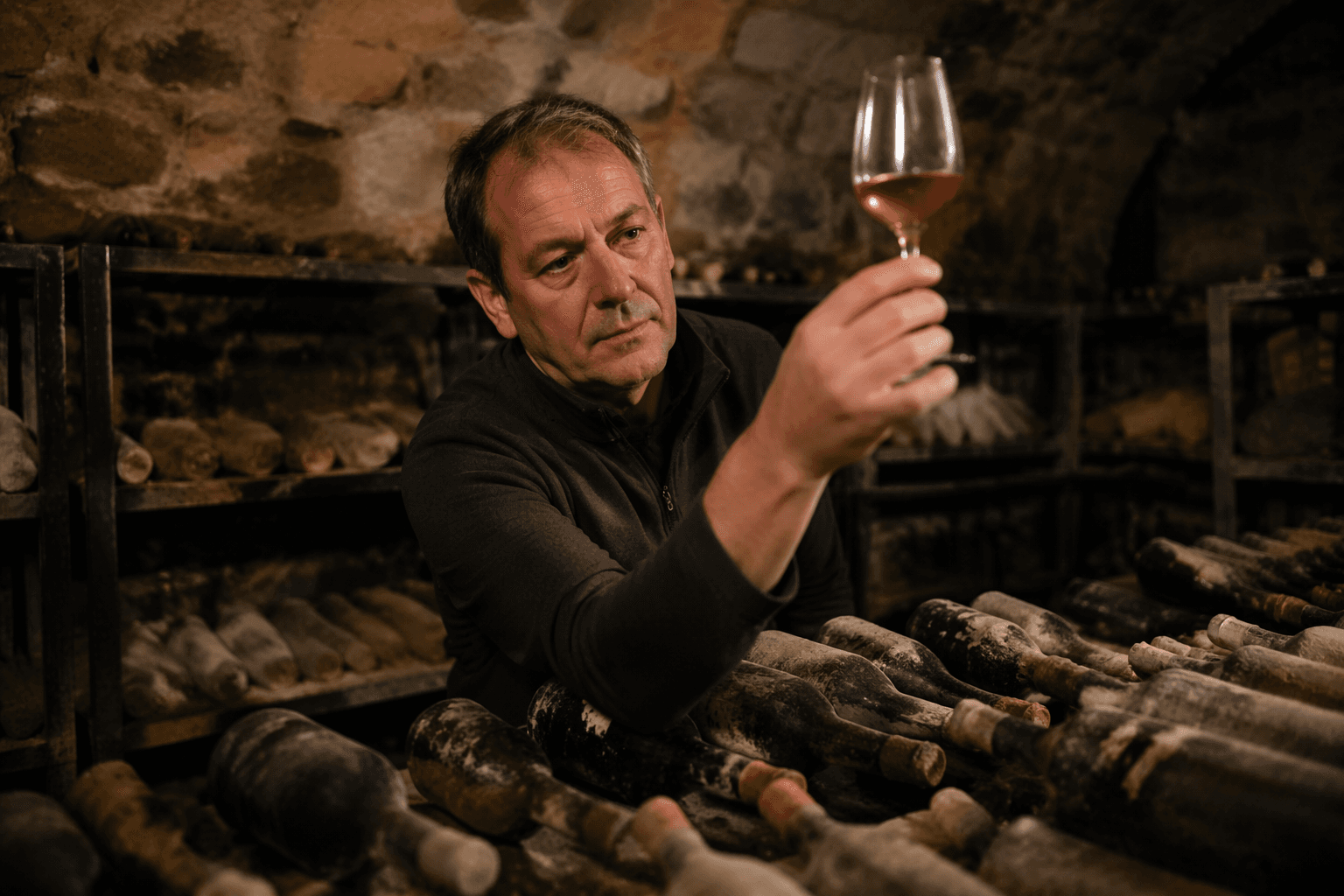
The wine itself was assembled mostly between 1892 and 1899, with the collection dating to the late 19th century. Castle history says it was likely put together before World War I as drinking wine rather than as an investment cellar, a detail that makes the survival of the bottles under the floorboards more striking. The collection remained stored at the castle for decades after its discovery before a later expert review found the bottles were still in good condition.
A tasting in 2016 put that condition to the test. Using the Coravin sampling device, which draws wine without removing the corks, experts assessed 13 samples and found all but one drinkable. A Château d’Yquem from 1896 stood out as the best bottle in the group. Château d’Yquem later restored the wine, underscoring the unusual chain of care that brought the bottles from a hidden castle chamber back into view.
The display at Bečov nad Teplou, near the German border, gives the cache a public life that goes beyond novelty. It is not only a surviving cellar of old bottles; it is evidence of how property, prestige and preservation can remain marked by the politics of the 20th century. At Bečov Castle, the wine now sits in plain sight as a reminder that Europe’s buried treasures often carry the history of who was forced out, who held on and who gets to define the past.
This article was produced by Prism’s automated news system from verified source data, official records, and press releases, then run through automated quality and moderation checks before publishing. The system is built and supervised by the people who set the standards it runs under. Read our full AI policy.
Know something we missed? Have a correction or additional information?
Submit a Tip