DACA renewal delays raise fears Trump is quietly weakening protections
Renewal cases are piling up at USCIS, leaving Dreamers at risk of losing work permits and status if delays stretch past the agency’s 120-day goal.

Delayed DACA renewals are turning routine paperwork into a threat to jobs, travel and legal status for Dreamers whose protections depend on the government moving on time. U.S. Citizenship and Immigration Services says it aims to process DACA renewal requests within 120 days, urges recipients to file between 120 and 150 days before expiration, and tells applicants to contact the agency if a renewal has been pending more than 105 days.
That timeline matters because DACA only works if renewals are approved before work authorization lapses. The program, created in 2012 under the Obama administration, remains alive under court challenges, and the Congressional Research Service says current recipients can still renew every two years for now. But when approvals slow, recipients can be left in legal limbo, unable to plan travel, keep a job or show employers that their status is secure.
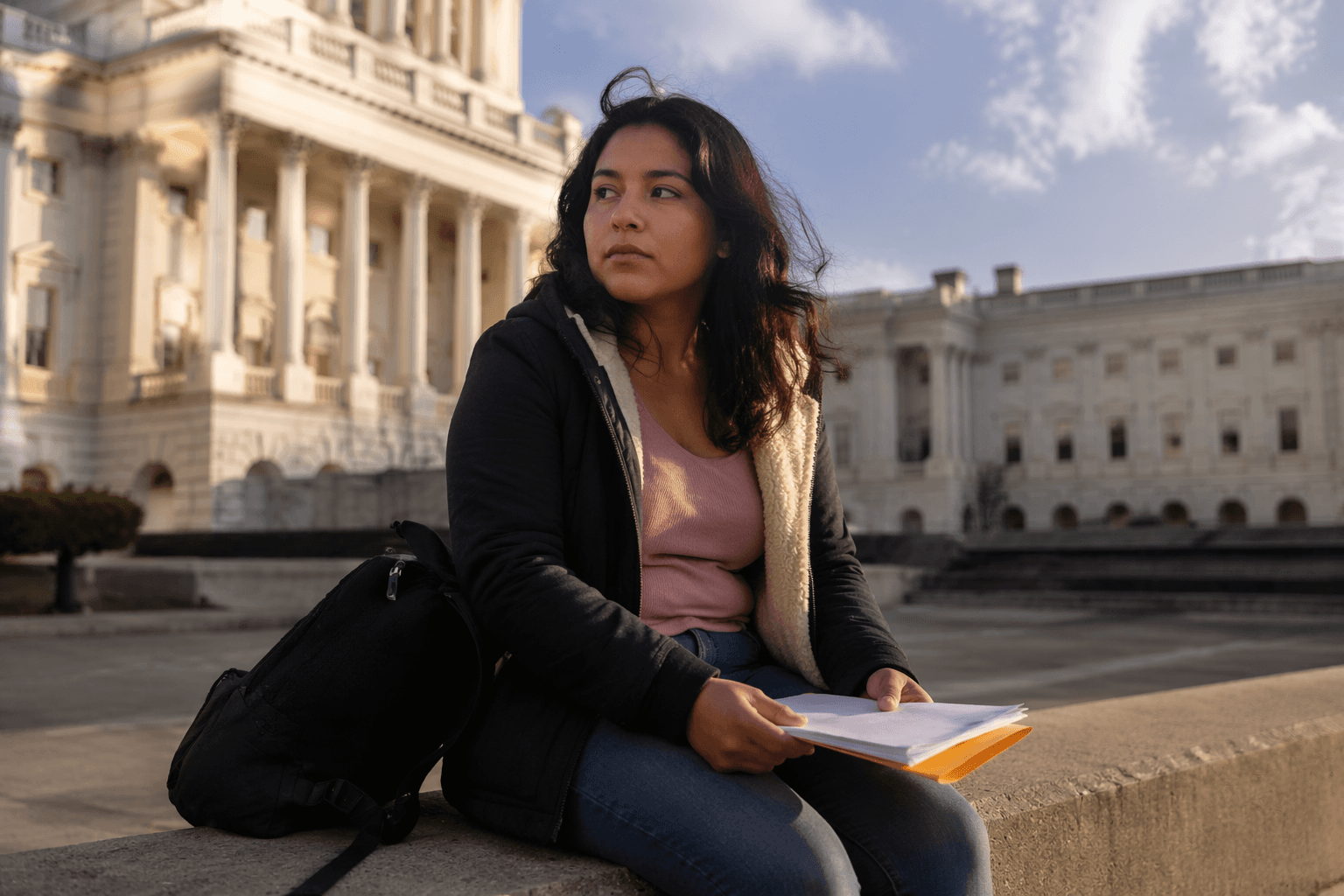
The fear on Capitol Hill is that the Trump administration may be using administrative delay as a quiet way to weaken protections without formally ending the program. Sen. Alex Padilla, a leading DACA supporter, said, "I can't see how it's not intentional," and said cases waiting this long were rare in earlier years. Padilla said the number of delayed cases is now in the hundreds, a scale that makes the slowdown feel less like a glitch than a policy choice by other means.
Rep. Maria Elvira Salazar, a Republican who has backed immigration legislation, said she had "serious concerns" about the slowdown. She warned that the delays are leaving hundreds of thousands of Dreamers stuck and unable to fully contribute to their communities, underscoring the unusual bipartisan alarm surrounding the backlog.
The impact reaches well beyond Washington’s immigration fights. The Migration Policy Institute tracks active DACA-recipient counts at the national and state level as of Sept. 30, 2025, and the Center for American Progress found in its 2024 survey that DACA helps recipients pursue education and increase earnings. A June 15, 2026 CAP report also highlighted DACA recipients working as nurses amid a national shortage, a reminder that a stalled renewal can hit hospitals, employers and patients as well as families.
The Congressional Research Service says the litigation landscape still leaves current DACA recipients able to renew, but would-be applicants in Texas would no longer qualify for work authorization under current court rulings. That makes the processing backlog more than a customer-service problem. For Dreamers, a missed deadline can mean the loss of the promise DACA was built to provide.
This article was produced by Prism’s automated news system from verified source data, official records, and press releases, then run through automated quality and moderation checks before publishing. The system is built and supervised by the people who set the standards it runs under. Read our full AI policy.
Know something we missed? Have a correction or additional information?
Submit a Tip