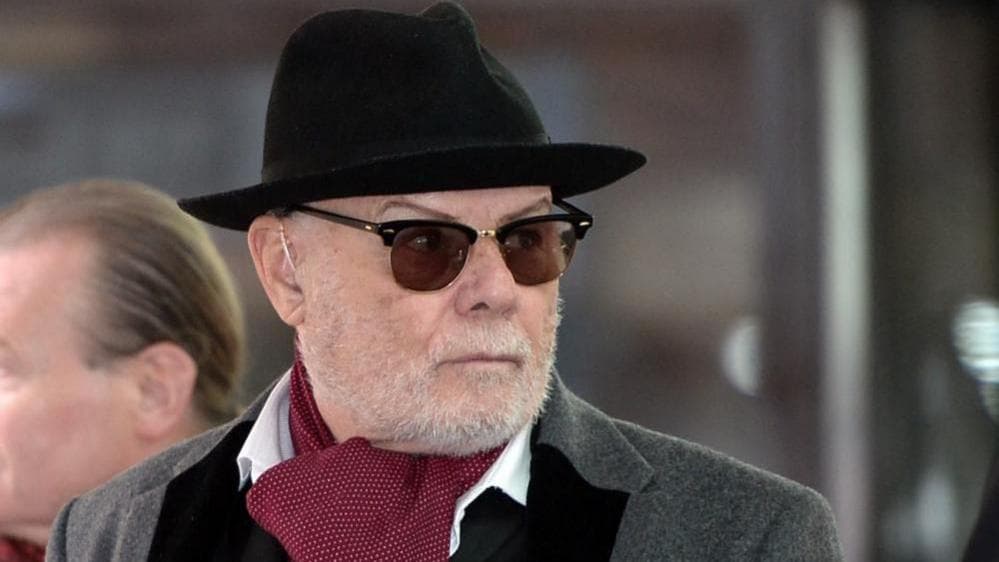
Daily Show Host Suggests Canceling Balls That Face Gunfire
A Daily Show joke about Trump's bulletproof ballroom cuts deeper than its punchline, reflecting public fatigue with treating military-grade threats as routine White House décor.
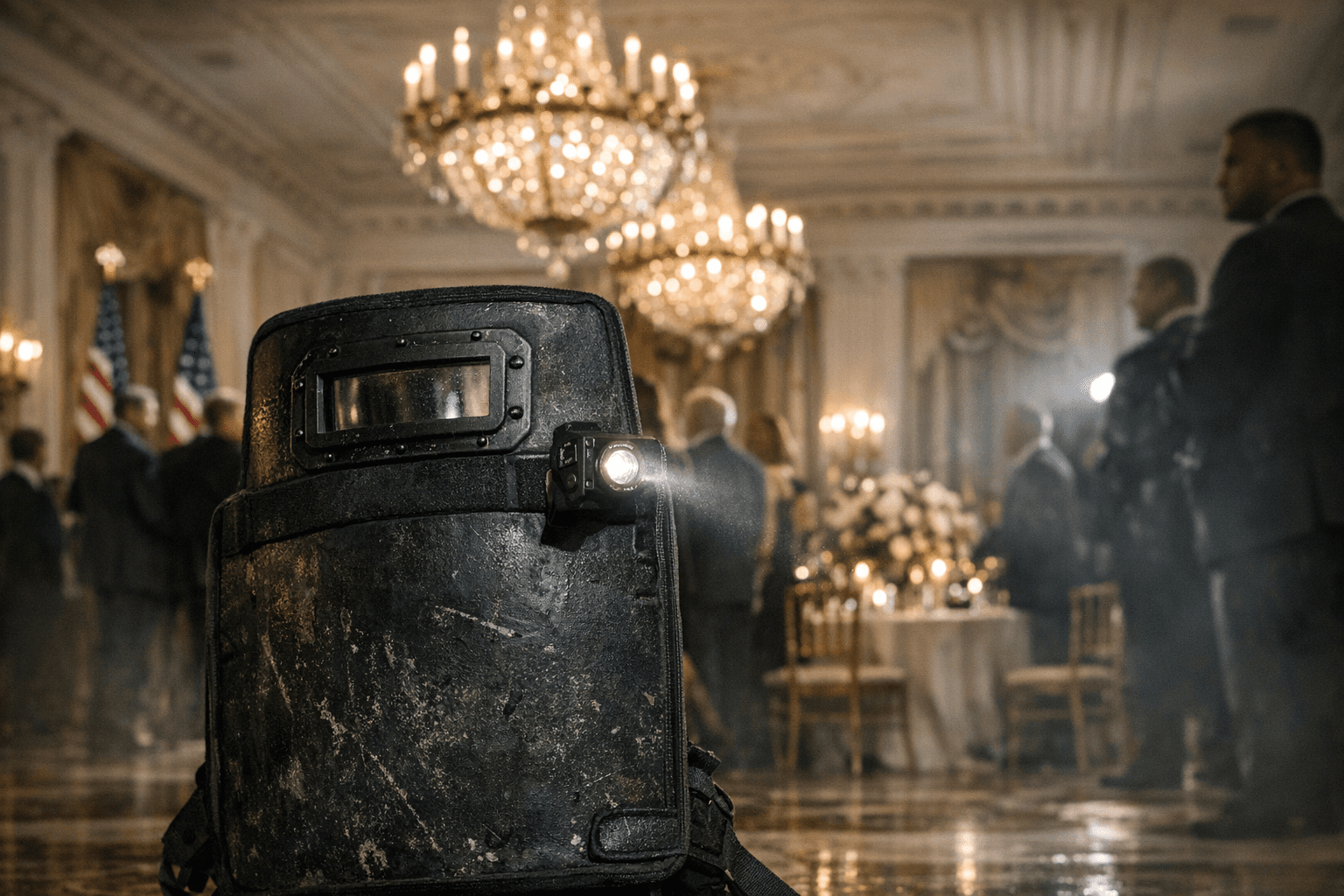
Trump's stated rationale for equipping a $400 million White House ballroom with bulletproof, drone-proof windows landed on The Daily Show as both a punchline and a cultural diagnosis.
"Might I suggest: If the ballroom starts experiencing ballistic assault, maybe we just cancel the ball?" the host said.
The joke is deceptively simple. It arrived at a specific cultural moment: one in which Trump's announcement that a formal event space requires military-grade glass passed largely without public outcry, absorbed into a news cycle already processing a U.S. war in Iran, a fatal shooting in Minneapolis, and a federal lawsuit that Judge Leon had paused just one day earlier by halting above-ground construction on the project entirely.
Trump unveiled updated ballroom renderings aboard Air Force One on March 29, holding up architectural drawings for the press corps while pivoting away from reporters' questions about Iran. The 90,000-square-foot addition, which required demolishing the White House's historic East Wing last October, is expected to cost $400 million and is financed by donations from Trump's billionaire allies. In the same breath that Trump promoted the building's bulletproof glass and drone-proof roofing, he acknowledged the stakes: "Unfortunately, we're living in an age where that's a good thing." A sitting president described a ceremonial ballroom in the language of a forward operating base, and the news cycle moved on.
That's the register The Daily Show was working in. The "cancel the ball" joke isn't really about ballrooms. It short-circuits a particular kind of political rationalization: if the threat of ballistic assault is serious enough to justify $400 million in mitigation, the satire asks, why is the party still on the calendar? The comedy names the cognitive dissonance that straight coverage absorbs without comment.
The surrounding context deepens the bite. Architects had already identified multiple design failures in the project, including a grand staircase that led nowhere, columns blocking interior views, and what the New York Times identified as fake windows on the north side. The National Trust for Historic Preservation filed suit in December 2025 to halt construction pending independent review. Roughly 98 percent of 32,000 public comments submitted during the National Capital Planning Commission's comment period opposed the ballroom, with the commission scheduled for a final vote on April 2.
Earlier in the same week, the show had drawn a sharper line between the ballroom and the broader disorder it displaces. Stewart observed that Trump's extended Air Force One presentation about renderings and Sharpies came while reporters were pressing him on Iran, concluding that the war "doesn't seem to occupy any space in Trump's brain." The ballroom, in that framing, functions less as architecture than as deflection made physical: a $400 million object for redirecting attention.
That context reframes what the "cancel the ball" line is doing. It isn't mocking a design choice in isolation. It's pointing at what gets prioritized in the national conversation, and what gets quietly normalized when no one names it. When a bulletproof ballroom is treated as unremarkable, the satire has to carry the weight that the rest of the discourse set down.
This article was produced by Prism’s automated news system from verified source data, official records, and press releases, then run through automated quality and moderation checks before publishing. The system is built and supervised by the people who set the standards it runs under. Read our full AI policy.
Did this article answer your question?