Dakar lab identifies hantavirus strain behind deadly cruise ship outbreak
A Dakar lab turned around a genetic answer in 24 hours, pinning a deadly cruise-ship cluster to Andes hantavirus and narrowing the threat fast.

A laboratory in Dakar helped narrow a frightening cruise-ship outbreak in a matter of hours, turning a suspected global health emergency into a more defined public-health response. Scientists at Institut Pasteur de Dakar received specimens from the Netherlands-flagged MV Hondius after World Health Organization officials were first notified of the cluster on May 2, and by May 6 they had helped identify the culprit as Andes hantavirus.
The speed mattered because the ship was carrying 147 passengers and crew when the illness was reported, and WHO had already counted seven cases by May 4, including two laboratory-confirmed hantavirus infections and five suspected cases. Later updates showed the toll rising to 11 total cases and three deaths by May 13, while the European Centre for Disease Prevention and Control said people aboard came from 23 countries, including nine EU and EEA countries.
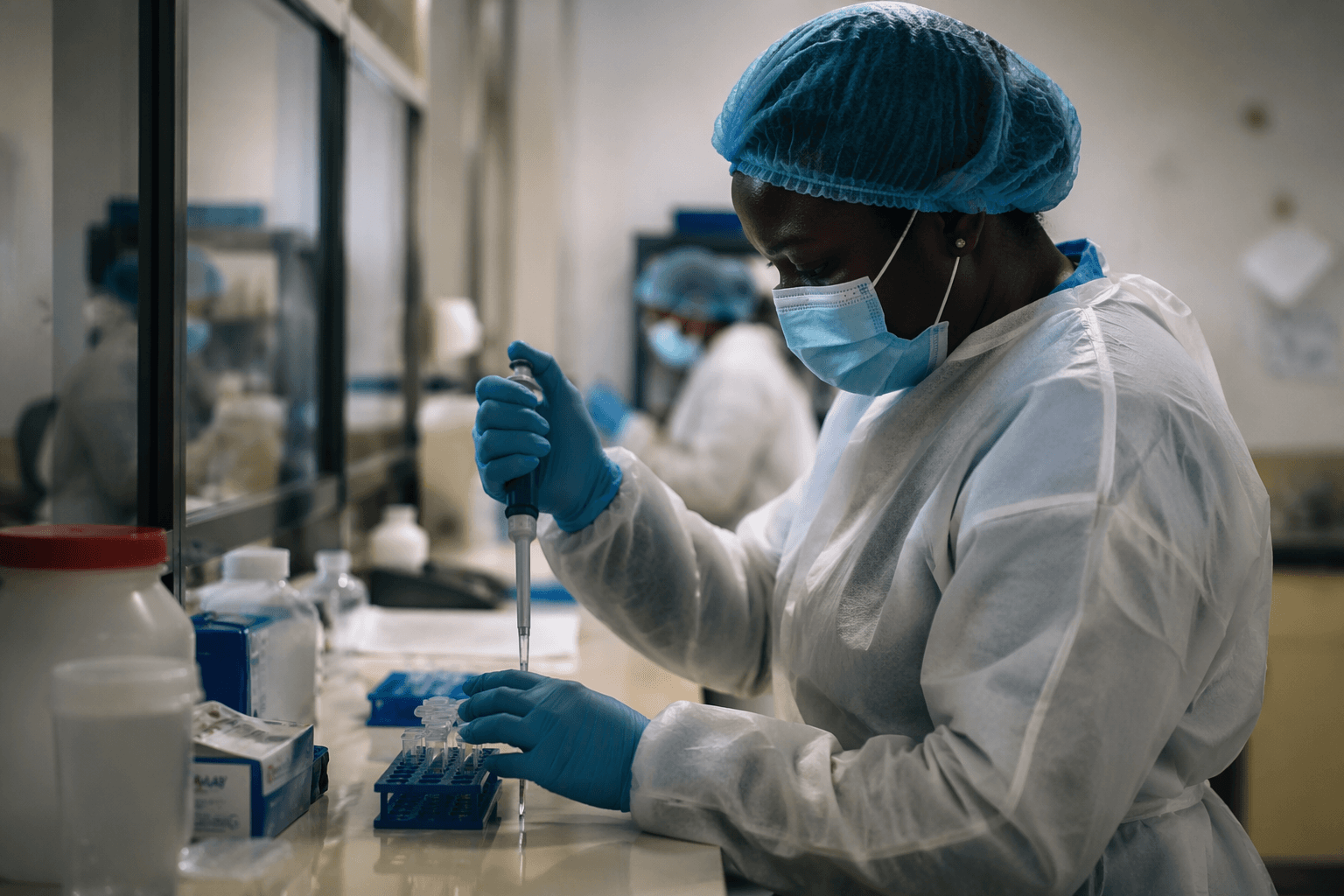
The plane carrying the samples landed in Senegal in the early hours of May 5. From there, the Dakar team worked through the night with advanced equipment and high-powered computing, and within 24 hours produced a partial genome that pointed to Andes virus, the only hantavirus species known to allow limited human-to-human transmission through close and prolonged contact. WHO later said the global public health risk was low, while the risk for people onboard the ship remained moderate.
That distinction was crucial. Health officials needed to know quickly whether they were facing a broader international threat or a contained cluster requiring aggressive contact tracing, quarantine and repatriation. WHO said the response moved through International Health Regulations channels, with national focal points helping trace contacts across borders. WHO also warned that additional cases could still appear because Andes virus can incubate for up to six weeks.
The outbreak’s timeline shows why regional scientific capacity can change the course of an emergency. Dr. Moussa Moise Diagne, a virologist and sequencing platform head at Institut Pasteur de Dakar, said: "It's crucial to have, in different parts of the world, the capacity and capabilities to detect those different pathogens." He said that capacity matters for clinical case management and contact tracing, both essential to outbreak control.
Institut Pasteur de Dakar is part of the Pasteur Network and has already been used far beyond Senegal. During the COVID-19 pandemic, it supported roughly 20 countries, and it also aided responses to Marburg in Guinea and Ebola in the Democratic Republic of Congo. In this case, it also helped advance a rapid test for the outbreak, reinforcing a broader lesson: the first decisive scientific answer did not have to come from Europe or the United States.
WHO Director-General Tedros Adhanom Ghebreyesus said the incident showed why the International Health Regulations exist and why global coordination matters, while stressing that it was not another COVID-style pandemic. As of May 22, the ECDC said 11 cases had been reported in total, with nine confirmed and two probable, and no new cases or deaths since the previous update.
Know something we missed? Have a correction or additional information?
Submit a Tip