Dam removals surge nationwide, restoring rivers, habitat and public safety
Communities removed 100 dams in 30 states last year, reopening 4,893 miles of river as unsafe, aging structures lost their case for staying put.
Across the country, communities are deciding that some dams no longer earn their keep. In 2025, 100 dams came out in 30 states, reopening more than 4,893 miles of river, a record for a single year and a sign that old infrastructure is giving way to river restoration.
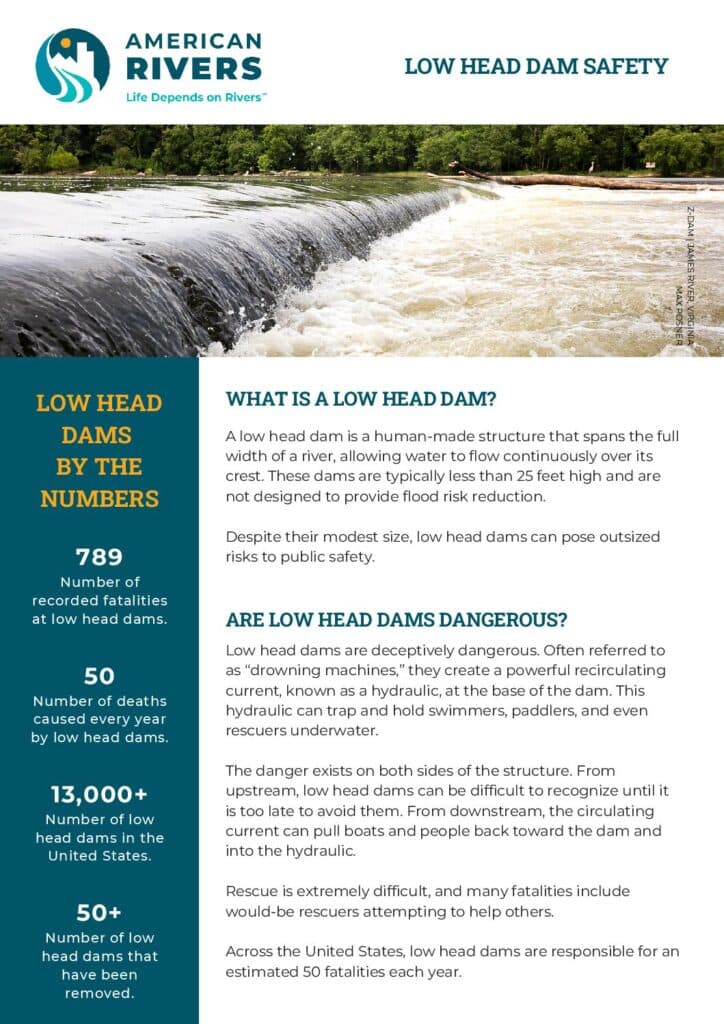
American Rivers says the U.S. has seen 2,350 documented dam removals since 1912, while more than half a million dams still obstruct rivers nationwide. The shift is not just ecological; it is economic and public-facing. More than a quarter of the dams removed in 2025 were dangerous low-head dams, the kind often called drowning machines because water recirculates at the base and can trap swimmers, boaters and rescuers. The U.S. Geological Survey says dam removal has outpaced dam construction in every decade since the mid-1970s, underscoring how sharply the national view of river infrastructure has changed.
Federal infrastructure funding has helped drive that change, backing projects that remove barriers, restore habitat and reduce safety risks. Scientists and restoration groups say the payoff can be immediate and lasting: freer fish passage, healthier river ecosystems, and waterways that communities can use again. But the tradeoffs are real. Large removals usually follow years of negotiation among tribes, local residents, state and federal agencies, conservation groups, utilities and property owners, with electricity, cost and safety all in the balance.
No project better shows that calculus than the Klamath River in Oregon and California, where four dams were removed in the largest dam removal in U.S. history. The final dam came down on August 28, 2024, reopening about 420 miles of salmon habitat. Before the dams were built between 1918 and 1966, the Klamath supported one of the largest salmon runs in the lower 48 states, and NOAA Fisheries says it once produced the third-largest run. For tribal nations in the region, the campaign to restore the river was about more than wildlife. It was tied to salmon and steelhead, Native traditions, foodways and treaty rights.
The Elwha River remains another touchstone for what can follow. Together, these projects have turned aging dams from symbols of progress into liabilities weighed against public safety, maintenance costs and the health of rivers that once ran free.
This article was produced by Prism’s automated news system from verified source data, official records, and press releases, then run through automated quality and moderation checks before publishing. The system is built and supervised by the people who set the standards it runs under. Read our full AI policy.
Did this article answer your question?