Dangerous heat wave to grip much of the eastern U.S. this week
Feels-like temperatures could hit 115 degrees from July 1 to July 5, putting the lower Great Lakes, mid-Atlantic and river valleys on alert before July Fourth.
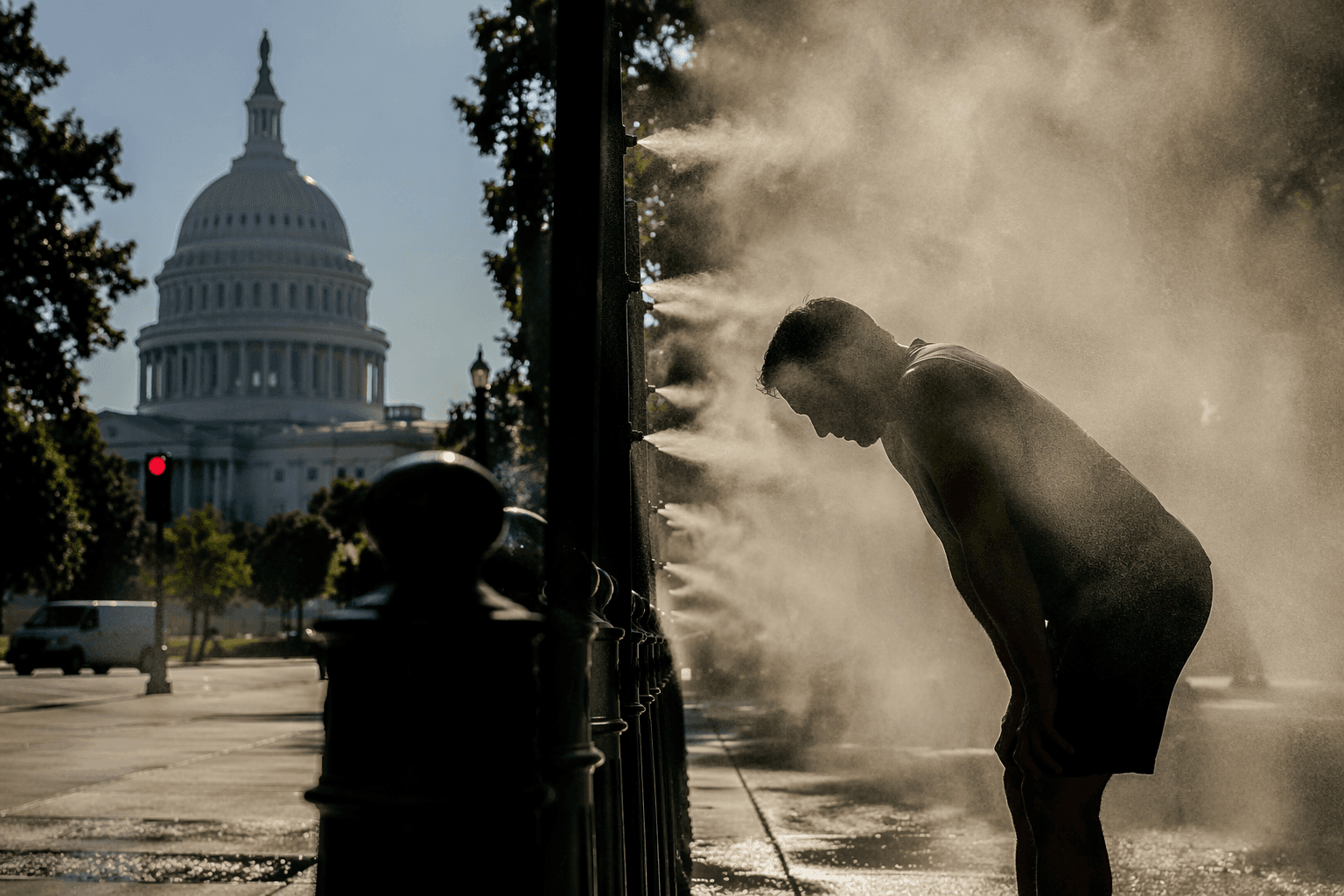
A dangerous heat wave will drive heat index values into the 95 to 115 degree range across parts of the lower Great Lakes, the mid-Atlantic, and the Mississippi and Ohio River valleys, putting outdoor workers, older adults, and people without reliable cooling at the greatest risk. Power grids, hospitals, and water systems are likely to feel the strain first as air conditioners run harder and emergency rooms prepare for more heat illness.
National Weather Service forecasters say the danger is not just the temperature but the humidity arriving with it. The Weather Prediction Center issues maximum heat index forecasts twice a day for days 3 through 7, and its outlook shows threshold forecasts of 95, 100, 105, 110, and 115 degrees Fahrenheit from Wednesday, July 1 through Sunday, July 5, 2026, with the highest risk running into the July Fourth holiday weekend.
The National Weather Service says a Heat Advisory is issued for dangerous heat conditions that do not meet warning criteria, while its HeatRisk product is experimental and is meant to supplement official watches, warnings, and advisories. NOAA’s Climate Prediction Center says extreme heat is likely to continue from the week-1 period into the holiday weekend across many areas of the central and eastern contiguous United States.
Public health officials have been blunt about who is most exposed. CDC and National Weather Service guidance identifies older adults, young children, pregnant women, people with chronic medical conditions, people experiencing homelessness, outdoor workers, athletes, and anyone without dependable cooling or hydration as higher-risk groups. Heat.gov says heat made worse by humidity can lead to heat exhaustion and heat stroke, which can result in hospitalization or death.

The same federal guidance warns that extreme heat reaches far beyond discomfort. Heat.gov says it is responsible for the highest number of annual deaths among all weather-related hazards, and NOAA says it can disrupt energy, transportation, clean water, and agriculture. That makes the coming stretch more than a forecast problem: it is a stress test for power demand, work sites, transit systems, and hospitals in cities and suburbs from the Midwest to the East Coast.
Some cities may break records as the heat settles in, and forecasters have described it as the first bona fide heat wave of summer in some places. For much of the eastern United States, the next several days will turn on how quickly neighborhoods can cool, how well employers can protect outdoor crews, and whether hospitals can absorb a surge of preventable heat emergencies.
This article was produced by Prism’s automated news system from verified source data, official records, and press releases, then run through automated quality and moderation checks before publishing. The system is built and supervised by the people who set the standards it runs under. Read our full AI policy.
Did this article answer your question?