Daniel Ek’s Neko Health raises $700 million, nears $7 billion valuation
Neko Health just landed $700 million and is now worth about $7 billion, as investors wager on prevention and AI-driven screening. The company is racing into New York and other U.S. cities.

Neko Health raised $700 million in a Series C round and is now valued at about $7 billion, giving Daniel Ek’s preventive-care startup a sharp lift as it prepares to open its first U.S. clinic later this year. The Stockholm-based company is pitching a model built on whole-body screening, early detection and constant monitoring, not acute care.
The size of the round makes the bet clear: investors are not just financing more clinics, they are backing the idea that prevention can be sold at scale as a consumer service. Neko Health says it focuses on prevention and early detection of disease, and its latest funding is being used to expand that model as it moves into the United States.
The company said its first U.S. clinics will open in New York and other cities this year. Neko Health also said its U.S. waitlist has reached 300,000 signups, a sign that curiosity around longevity, screening and health optimization is already substantial before a single American clinic opens its doors.
The financing marks a steep rise from January 2025, when Neko Health raised $260 million in a Series B round led by Lightspeed Venture Partners. That round also included General Catalyst, O.G. Venture Partners, Rosello, Lakestar and Atomico, brought total funding to more than $325 million, and valued the company at $1.8 billion. At that point, Neko said it had completed 10,000 scans and had more than 100,000 people on its waitlist.
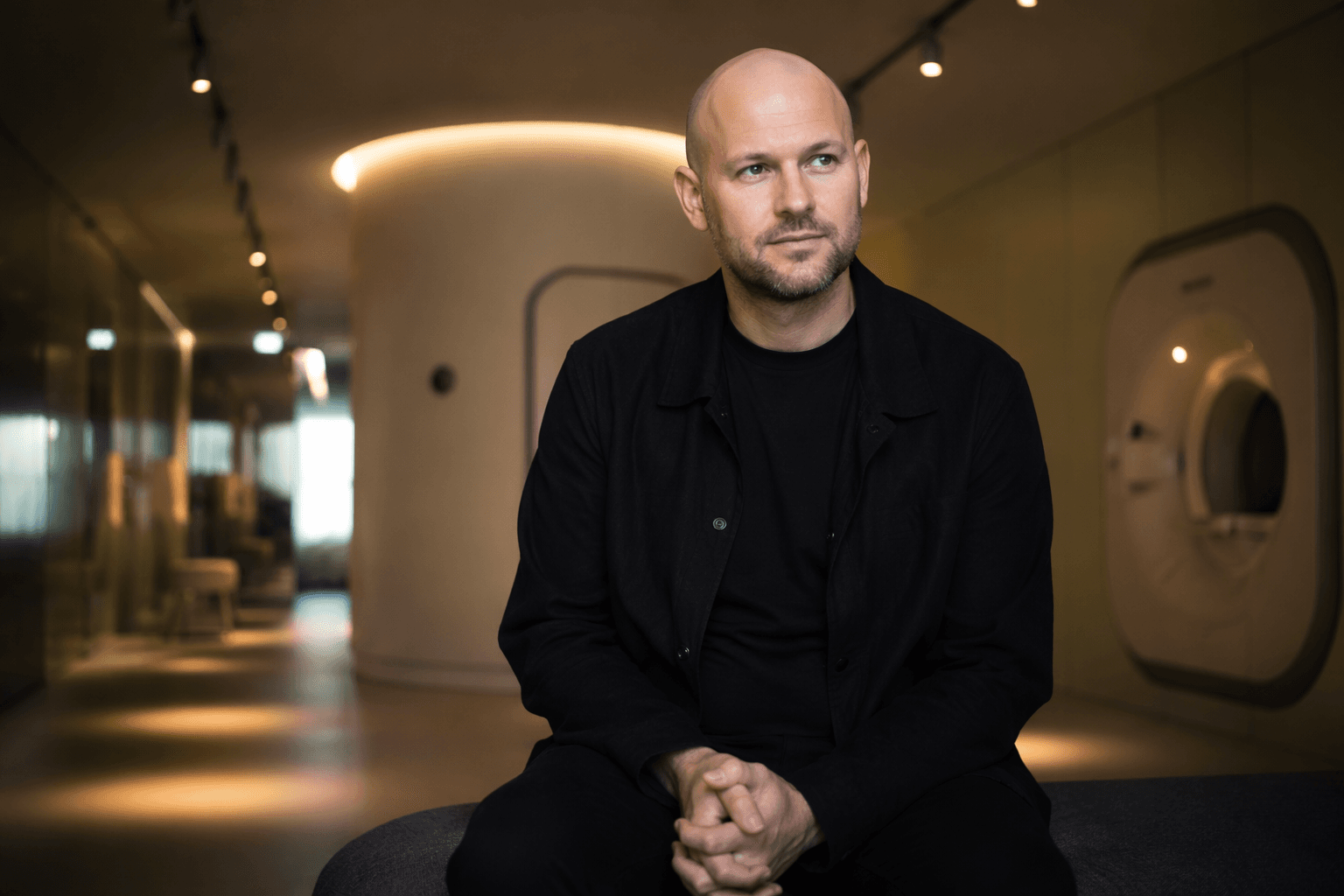
Ek, the founder and executive chairman of Spotify, co-founded Neko Health with Hjalmar Nilsonne, who serves as chief executive. The new round extends a larger wager that wealthy consumers will pay for frequent, data-heavy preventive checks, and that AI-enabled diagnostics can turn early detection into a repeat business rather than a one-time medical visit.
For the health-tech sector, the financing is more than a valuation milestone. It is a referendum on whether prevention can be built as a mass-market business, or whether the real product is a premium service for affluent patients willing to monitor themselves constantly.
This article was produced by Prism’s automated news system from verified source data, official records, and press releases, then run through automated quality and moderation checks before publishing. The system is built and supervised by the people who set the standards it runs under. Read our full AI policy.
Did this article answer your question?