Danny McBride reflects on flawed masculinity behind his outrageous comedy
Danny McBride’s outlandish comedy keeps landing because his violent, profane men feel damaged in recognizably human ways, not just loud for shock value.
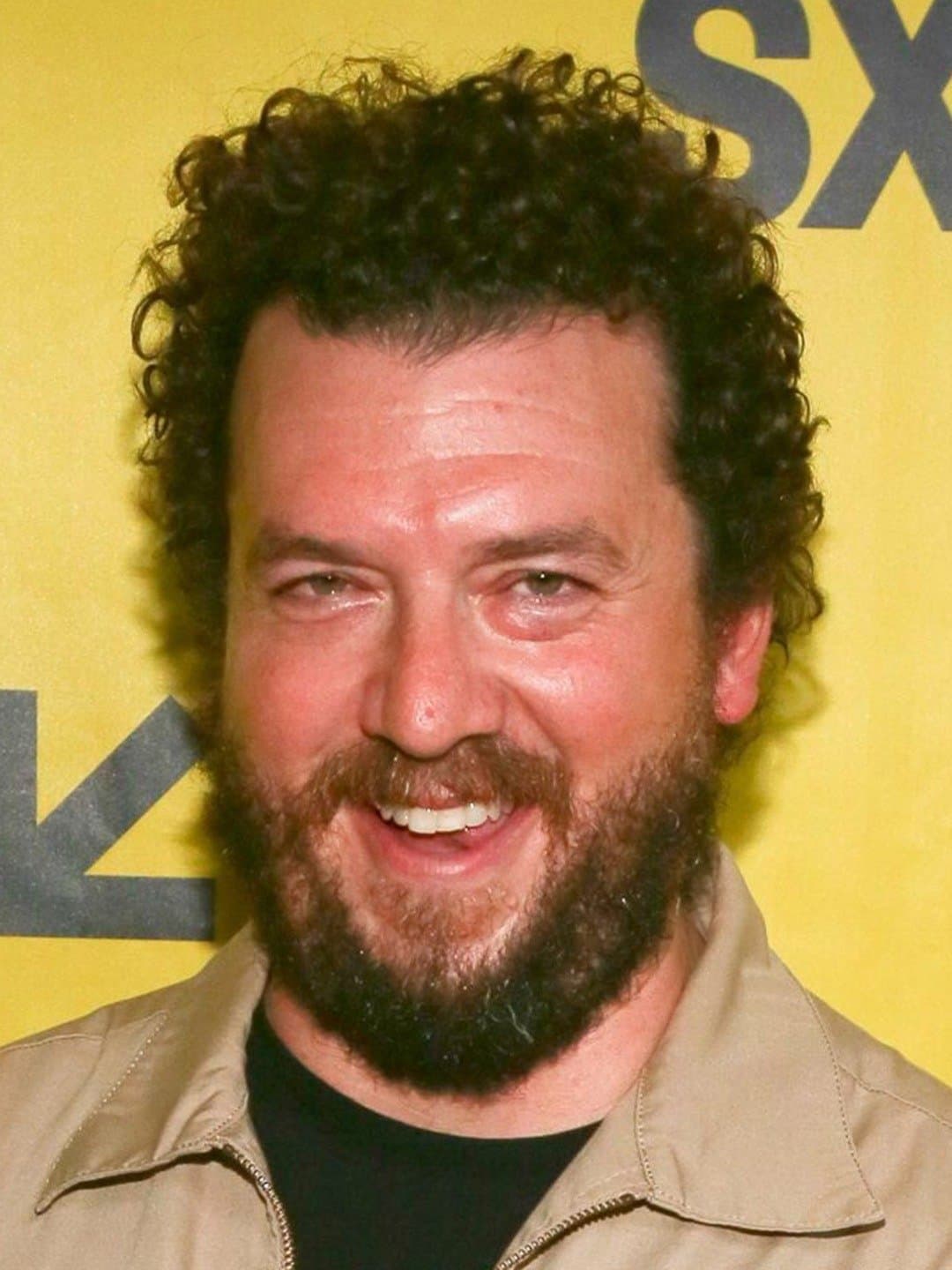
Danny McBride has built one of the clearest modern case studies in why American audiences keep returning to violent, profane antiheroes. His comedy works because the chaos is never empty: beneath the insults, self-destruction, and bravado, he keeps reaching for something universal about insecurity, vanity, and the need to look strong even while unraveling.
Flawed masculinity as the engine
McBride’s latest conversation around his work keeps circling the same idea, that he is not just chasing shock but building characters out of discomfort. The writer and actor, known for his profane comedic antiheroes, has long leaned into men who are arrogant, aggrieved, and often emotionally stunted, then asks viewers to laugh at the wreckage while still recognizing something true in it.
That is what makes his comedy sturdier than a string of provocations. The violence and profanity are part of the style, but the deeper point is the fragile masculinity underneath it, the way these men mistake cruelty for confidence and outrage for power. McBride’s characters do not simply offend for sport; they reveal how often male identity in American comedy is built on panic, entitlement, and humiliation.
A trilogy of difficult men
His HBO work makes that pattern unmistakable. Eastbound & Down, Vice Principals, and The Righteous Gemstones form a linked body of work centered on difficult, aggrieved, morally compromised men, a run that has effectively defined McBride’s voice on television. Together, they show how he turned one type of outrageous American comedy into a sustained critique of vanity and self-mythology.
Each series sharpens the same instinct in a different setting. Eastbound & Down weaponized athletic failure and ego, Vice Principals turned schoolyard power games into adult collapse, and The Righteous Gemstones pushed the formula into the world of televangelist excess, where greed and righteousness are almost indistinguishable. The recurring pattern matters because it suggests McBride is less interested in one-off insult comedy than in mapping a system of male behavior that keeps reproducing itself.
Why the audience still buys in
The appeal of these characters is not hard to trace. American comedy has long embraced men who are rude, dangerous, and ridiculous, especially when they are allowed to fail in public without being fully redeemed. McBride’s work fits that tradition, but it also updates it by making the flaws feel emotionally specific rather than cartoonish, which is why the jokes can be crude without feeling shallow.
That balance helps explain why audiences continue to embrace his antiheroes even when they are abrasive. People may arrive for the profanity or the violence, but they stay because the characters expose social truths about shame, status, and the performance of toughness. In McBride’s hands, the joke is not that these men are monstrous, but that they are often painfully close to recognizable.
Boundaries, backlash, and the South
McBride has also been unusually direct about the risks of that approach. In a 2020 interview, he said that if someone is trying to push the boundaries of comedy, they should expect pushback, a view that neatly matches the confrontational edge of his best-known work. He has also said that he writes from what he knows rather than trying to normalize the South, which helps explain why his settings feel lived-in instead of curated for outsider approval.
That distinction matters. McBride’s Southern worlds are not polished regional postcards or defensive corrections to stereotype; they are messy, specific environments where ego, religion, class performance, and masculinity collide. By refusing to sand down those tensions, he lets the comedy stay abrasive while still grounded in social texture.
The Righteous Gemstones and the value of a triumphant ending
The strongest recent example of that formula is The Righteous Gemstones. A 2025 oral history assembled by Adam White, Alan Siegel, and Conal Deeney described the series as ending in a triumphant way, a notable framing for a show so steeped in corruption, family dysfunction, and theatrical hypocrisy. Even in triumph, the series never abandons the damaged men at its center; it simply lets the audience see how fully McBride has committed to their contradictions.
That ending also clarifies why the show resonated so widely. It proved that a series built around greed, ego, and moral rot could still deliver catharsis without softening its characters into something safer. McBride’s world is rude and profane, but it is not nihilistic, and that difference is one reason his comedy continues to travel so well.
Why his style still feels current
Recent career retrospectives keep returning to his most recognizable roles, including Hot Rod, Eastbound & Down, and The Righteous Gemstones, which suggests his comic persona still has cultural traction. That persistence is telling: in an era that has become more self-conscious about masculinity and more skeptical of easy redemption, McBride’s flawed protagonists still feel like a useful mirror. They are exaggerated enough to be funny, but familiar enough to feel like commentary.
What his career ultimately shows is that transgressive comedy lasts when it has an emotional thesis. McBride keeps making men who are loud, violent, and wrong, but also legible in their fear of weakness, and that is why the laughter keeps arriving. His work survives because it understands that the ugliest comic characters are often the ones that say the most about the culture that keeps watching them.
This article was produced by Prism’s automated news system from verified source data, official records, and press releases, then run through automated quality and moderation checks before publishing. The system is built and supervised by the people who set the standards it runs under. Read our full AI policy.
Did this article answer your question?