Data shows most Newark immigration detainees had no convictions
ICE said it was targeting violent offenders, but records from Delaney Hall showed most detainees had no criminal convictions. The gap has turned Newark into a test case for immigration politics and public trust.
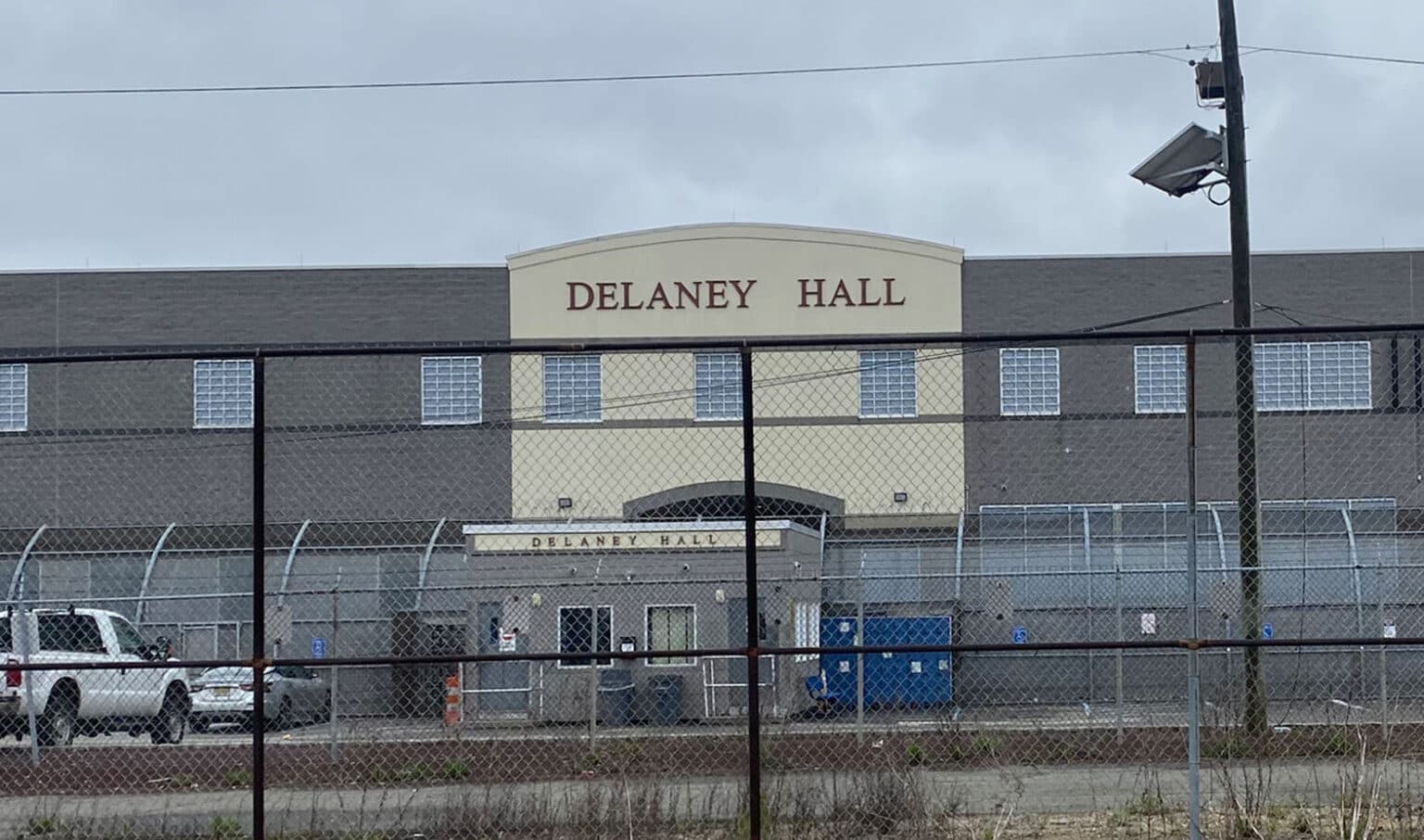
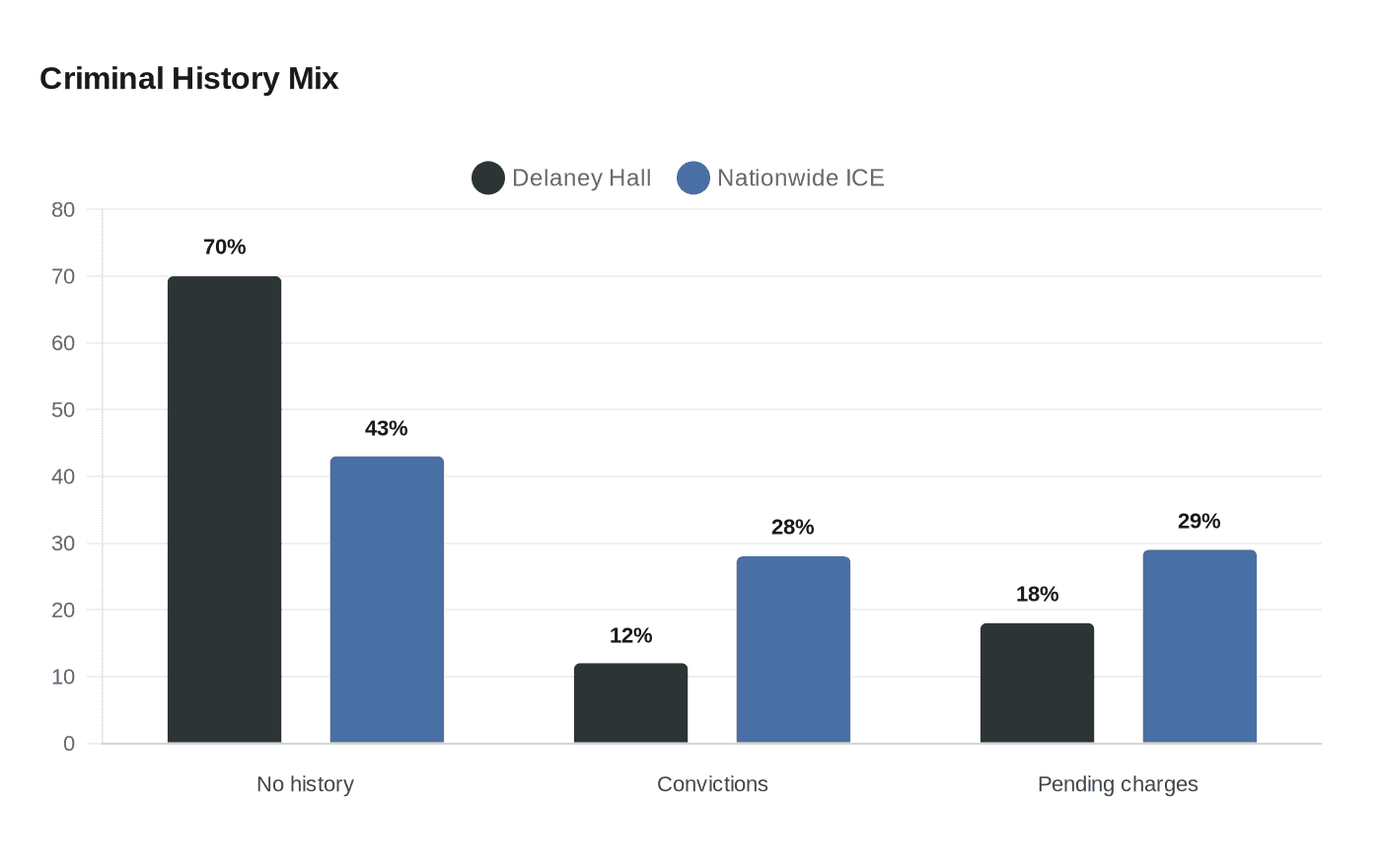
Data from Delaney Hall cuts sharply against the federal image of an operation aimed at the “worst of the worst.” At the privately run detention center in Newark, more than 10,300 people were held between May 1, 2025, when the site reopened as an ICE facility, and March 10, 2026. More than 70% had no criminal history, while 12% had criminal convictions and 18% had pending criminal charges.
That record stands in tension with the public case made by U.S. Immigration and Customs Enforcement and the Department of Homeland Security. Federal officials have repeatedly described detainees as dangerous offenders, including “murderers, pedophiles, rapists, and gang members,” language meant to justify aggressive enforcement and blunt criticism of the detention system. But the broader Delaney Hall data suggests the population inside was dominated by people with no convictions, not the handful of examples officials have highlighted.
Nationwide ICE figures show a different mix, but not by much: 43% of detainees had no criminal history, 28% had criminal convictions and 29% had pending criminal charges. Delaney Hall skewed even more heavily toward people without convictions. The New Jersey Globe reported that ICE statistics listed 89 detainees at the facility at one point, and 85 of them, or 96%, were marked as having no ICE threat level, meaning no criminal convictions.
Officials have singled out individual detainees to make the case for the facility. The New Jersey Globe said DHS cited Dennis Josue Saravia-Santamaria as having a verified MS-13 affiliation and Adonis Estevez Bello as having felony drug-trafficking and weapons convictions. Those cases fit the administration’s rhetoric. The facility-wide data does not.
The political fight around Delaney Hall has widened well beyond the numbers. Newark filed suit in April 2025 over alleged unauthorized modifications to the site. New Jersey officials, including Gov. Mikie Sherrill and Attorney General Jennifer Davenport, have threatened to seek closure if state health inspectors are denied full access. In recent weeks, detainees have staged labor and hunger strikes over allegations of poor food, inadequate medical care and unsafe sanitation, and ABC News reported that protests and an alleged hunger strike had been ongoing since May 22.
The confrontation turned physical on May 9, 2025, when Newark Mayor Ras Baraka was arrested at Delaney Hall on trespassing charges during a chaotic clash involving protesters, members of Congress and federal agents. Since then, Baraka and other local leaders have argued that the public has been misled about who is being held at the center and under what conditions. The fight over Delaney Hall has become a broader referendum on immigration enforcement, detention conditions and whether federal rhetoric can survive contact with the records.
This article was produced by Prism’s automated news system from verified source data, official records, and press releases, then run through automated quality and moderation checks before publishing. The system is built and supervised by the people who set the standards it runs under. Read our full AI policy.
Know something we missed? Have a correction or additional information?
Submit a Tip