David Batty moved on after England's painful 1998 World Cup miss
David Batty missed England’s final penalty in Saint-Étienne, then went back to Leeds and played six more seasons there. His 42 caps never defined the rest of his career.
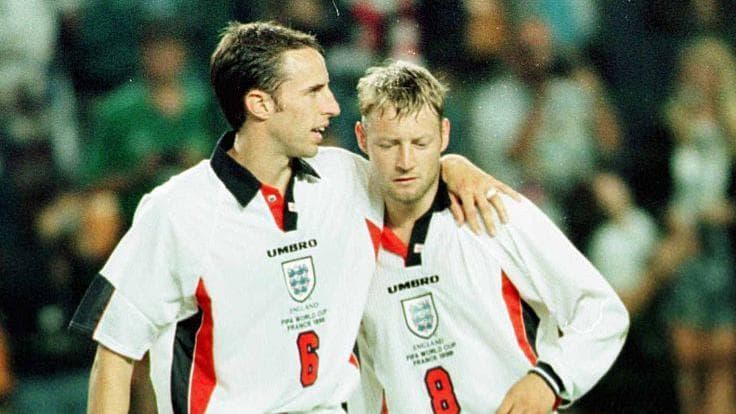
David Batty’s missed penalty in Saint-Étienne became one of England’s most painful World Cup moments, but it did not stop his career from moving on. England were knocked out by Argentina on penalties on 30 June 1998 after a 2-2 draw that lasted 120 minutes, with Batty sent up for the final kick and seeing it saved.
The last-16 tie had already swung through several sharp turns. Argentina went ahead early, England answered through Alan Shearer from the spot and Michael Owen struck the goal that gave England a 2-1 lead, before Gabriel Batistuta equalised. David Beckham had also been sent off in the same match, leaving England to finish the game under pressure before the shootout settled it.
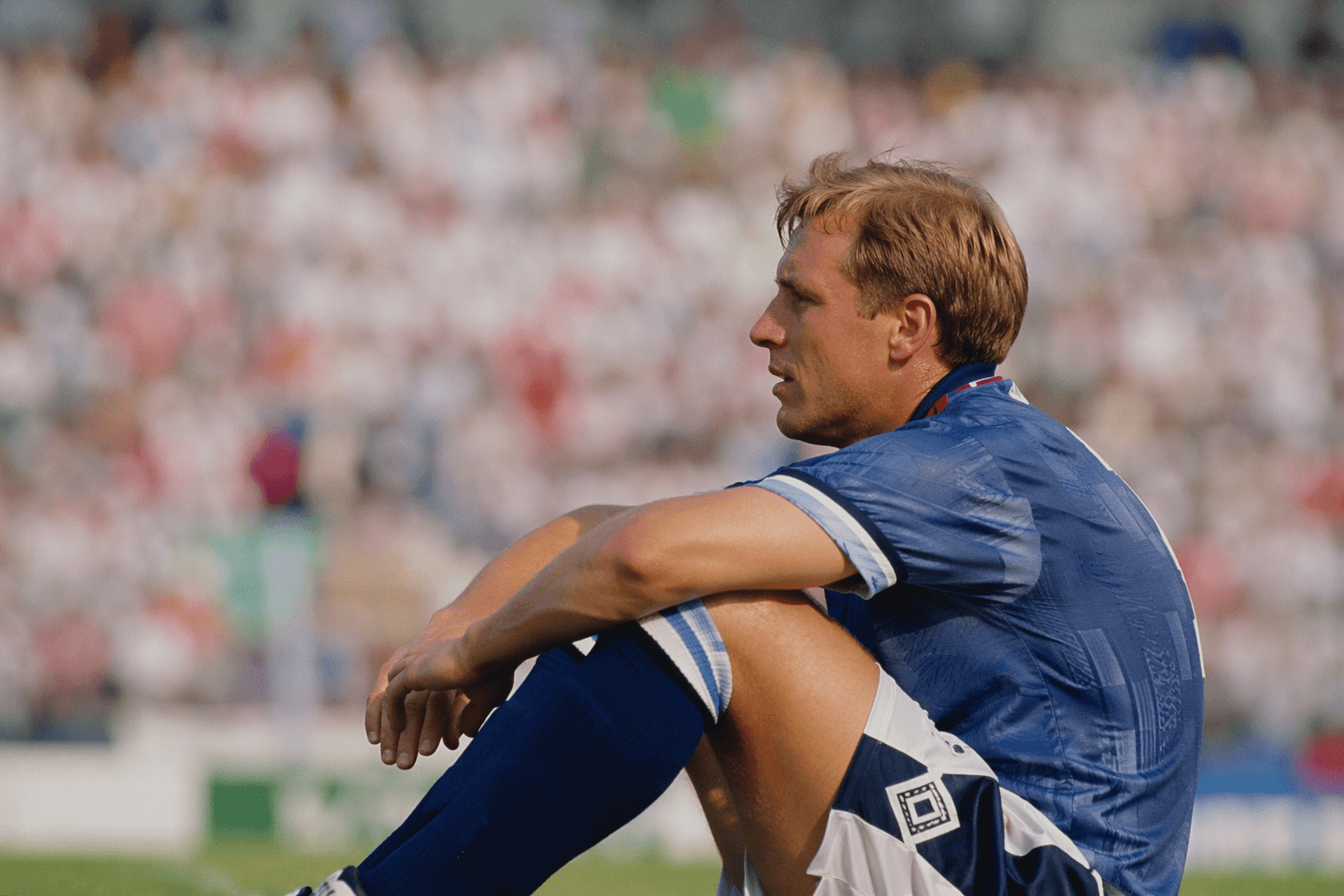
What followed mattered as much for Batty’s reputation as the miss itself. He returned to Leeds United later in 1998 and stayed there for another six seasons, finishing his playing career at Elland Road in 2004. Across his two spells with Leeds, Batty made 373 appearances and scored four goals, a record that sat at the centre of his club identity rather than the penalty in France.
Batty’s wider career was substantial by any measure. He made 438 league appearances and scored eight goals overall, and he won 42 England caps. Those numbers point to a long and steady career built on work rate and reliability, even if one moment on the biggest stage came to define how many people remembered him.
After retirement, Batty kept a low public profile and remained tied to football in Yorkshire. He was later listed as vice-president of Harrogate Town, a role that placed him close to the game without pushing him into the media-heavy path often taken by former internationals. In a country that remembers World Cup exits in flashes, Batty’s response was quieter: he went back to Leeds, kept playing, and let the rest of his career speak for itself.
This article was produced by Prism’s automated news system from verified source data, official records, and press releases, then run through automated quality and moderation checks before publishing. The system is built and supervised by the people who set the standards it runs under. Read our full AI policy.
Did this article answer your question?