David Ellison vows editorial independence amid CBS News upheaval
Ellison’s promise of independence now faces its first real test at 60 Minutes after Scott Pelley was fired and the remaining correspondents warned the program could die.
David Ellison’s promise not to meddle in CBS News is now being tested at the most sensitive point in the network’s journalism machine. At 60 Minutes, where a succession crisis has already cost one veteran correspondent his job, the real measure of independence will be whether management stays out of story selection, staffing and editorial calls that have long defined the program’s authority.
The rupture widened after CBS News fired Scott Pelley on June 3, 2026, following a tense staff meeting with new executive producer Nick Bilton. Pelley accused CBS News editor-in-chief Bari Weiss of “murdering” the show and questioned Bilton’s qualifications; CBS later said Bilton removed Pelley because he believed the correspondent had no interest in collaborating on the program’s future. The firing came after earlier ousters of 60 Minutes executive producer Tanya Simon and senior producer Draggan Mihailovich, adding to the sense that the overhaul was reaching deep into the show’s ranks.
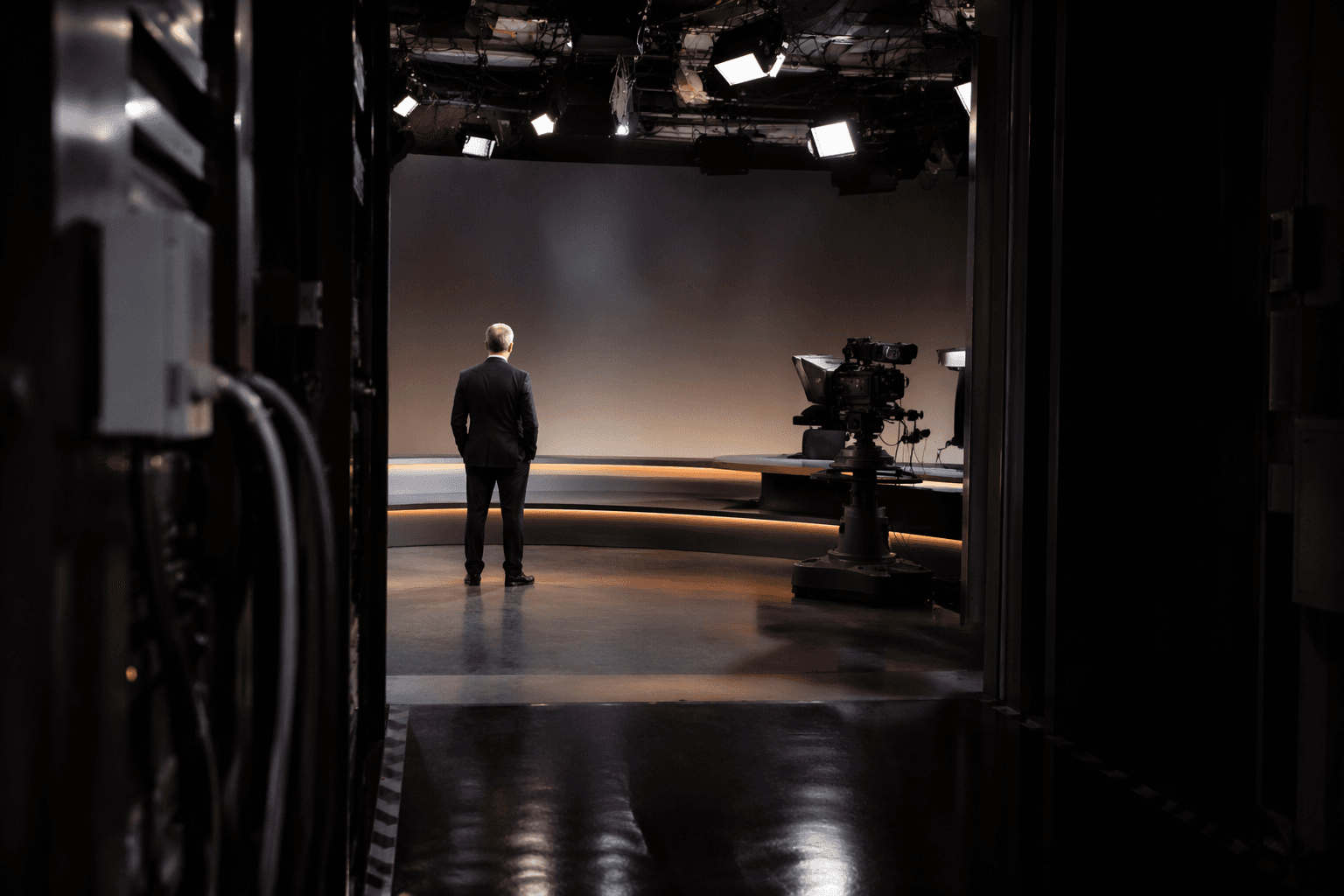
Lesley Stahl, Bill Whitaker and Jon Wertheim then said they would remain with 60 Minutes, but only after warning that the changes were threatening the program’s identity. In their memo, the three correspondents said, “We don’t want to see 60 Minutes die.” Stahl joined the program in 1991, Whitaker in 2014 and Wertheim in 2017, making them the last full-time correspondents standing at a show that debuted in 1968 and became the first televised newsmagazine.
That legacy is part of what makes Ellison’s pledge so consequential. In public remarks during the Paramount-Skydance merger process, he said he had “no interest” in wading into the political spectrum with CBS News. But the pledge will be judged not by tone, only by behavior: whether Ellison and his lieutenants allow 60 Minutes to choose its own investigations, defend its edits, and keep management at a distance when a report draws pressure from outside the newsroom.
The merger approval already built in a mechanism meant to reassure critics. On July 25, 2025, the FCC approved Paramount’s $8 billion merger with Skydance and required an ombudsman at CBS News. Paramount’s new leadership has described that post as a transparency tool, not an overseer. Whether it becomes a firewall or a channel for intervention will be another key test.
The pushback has been unusually broad. On June 1, 2026, Dan Rather, Lowell Bergman, Alex Gibney and dozens of other journalists urged Ellison to protect CBS News editorial independence, warning that acquiring the network carried a duty to avoid political interference. For 60 Minutes, the next hires, the next producer calls and the next disputed edit will say more than any pledge.
This article was produced by Prism’s automated news system from verified source data, official records, and press releases, then run through automated quality and moderation checks before publishing. The system is built and supervised by the people who set the standards it runs under. Read our full AI policy.
Know something we missed? Have a correction or additional information?
Submit a Tip