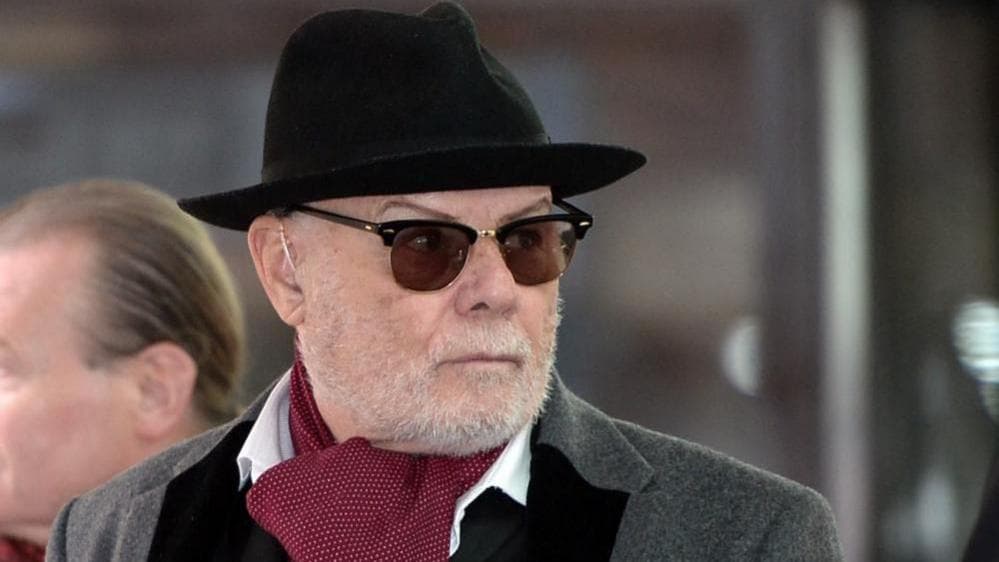
David Harbour responds to Lily Allen album about marriage fallout
David Harbour called Lily Allen’s breakup album “weird” and said its divorce story “wasn’t my experience,” pushing back as West End Girl kept climbing charts.

David Harbour has finally answered the breakup album that turned his marriage to Lily Allen into pop-culture theater. The Stranger Things actor said Allen has every right to turn her own life into art, but he drew a firm line around the record’s version of events, saying the divorce story told on West End Girl was not his experience.
Harbour’s response came after weeks of attention around the album’s blunt songs, including West End Girl, Madeline and Pussy Palace, which listeners quickly read as testimony about a collapsed marriage. He described the experience as “weird,” acknowledged that strangers had picked apart his personal life after the album’s release, and said he values privacy and does not intend to keep litigating the relationship in public.
West End Girl, released on October 24, 2025, was Allen’s fifth studio album and her first in seven years. The 14-track record was written and recorded over 10 intense days in Los Angeles starting in December 2024, with additional work later finished in London and New York. It became Allen’s highest-charting album in 11 years, rising to No. 4 on the U.K. Official Albums Chart.
The project also gave Allen a rare singles-chart milestone. Pussy Palace entered the U.K. singles chart at No. 12, her highest-charting single since 2014. That commercial lift matched the record’s broader cultural reach, as the album moved from private grievance to public spectacle and then into a wider argument over who gets to define a relationship once it breaks apart.

Allen has already framed the album as an emergency release rather than a revenge project. In CBS Mornings, she said making West End Girl was an “act of desperation,” that she finished it in about 10 days while her life was falling apart, and that she did not need revenge or feel confused or angry anymore. Harbour’s reply was measured by design, reflecting his own public history with mental health, including his acknowledgment of bipolar disorder and a reported breakdown during extreme stress.
That context helps explain why Harbour’s response stayed narrow. He did not try to out-narrate Allen’s songs so much as reject the idea that her account was the only one that mattered. In an era when breakup records become competing first-person affidavits, West End Girl has become more than an album: it is a live test of how much of a private life survives once it is pressed into public art.
This article was produced by Prism’s automated news system from verified source data, official records, and press releases, then run through automated quality and moderation checks before publishing. The system is built and supervised by the people who set the standards it runs under. Read our full AI policy.
Did this article answer your question?