David Sacks exits White House AI and crypto role after time limit
David Sacks left his formal White House post after hitting the special-government-employee cap, ending a push for looser AI and crypto rules.
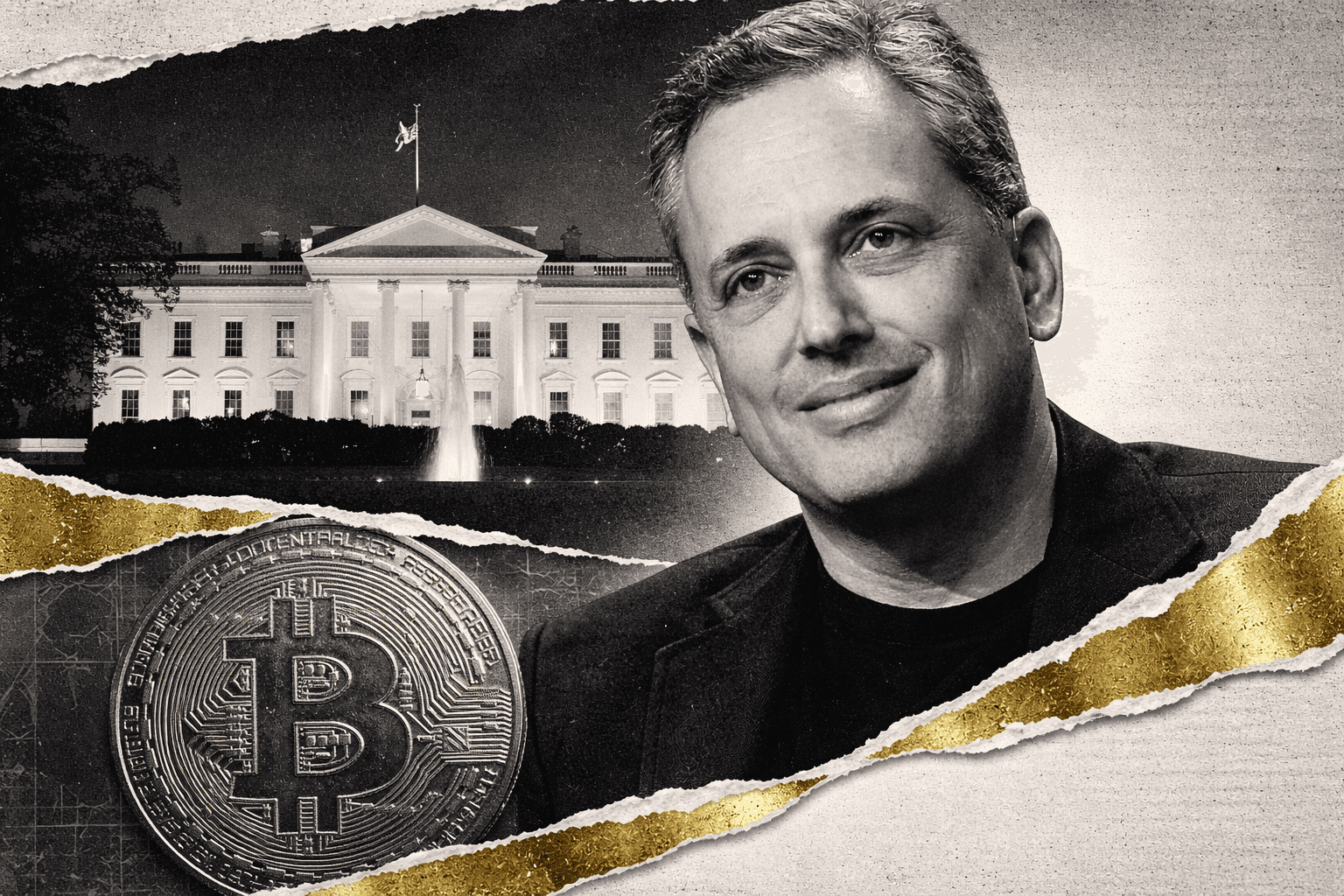
David Sacks has left his formal White House role after reaching the special government employee limit, closing out a run that was meant to give Silicon Valley a direct hand in shaping President Donald Trump’s AI and crypto agenda. Sacks said he would move to the Council of Advisors on Science and Technology, but his exit underscored how quickly a tech-world mandate can run into the hard constraints of government ethics rules, congressional oversight and shifting political incentives.
Sacks entered Washington with unusually close ties to the industries he was asked to influence. The White House granted him a limited ethics waiver in a memorandum dated March 5, 2025, and he and Craft Ventures sold more than $200 million in digital asset-related investments before he took the job. Two days later, Trump hosted the first-ever White House Digital Assets Summit, putting Sacks at the center of an administration eager to advertise a friendlier posture toward crypto. For a moment, the alliance looked like a clean transfer of tech-sector confidence into federal power.
That confidence translated into policy. On July 23, 2025, the White House released its AI Action Plan, developed with Sacks and the Office of Science and Technology Policy. The plan laid out more than 90 federal actions and emphasized deregulation, infrastructure and exports, a blueprint that reflected the industry’s long-running argument that Washington should move fast, clear barriers and trust the market. Sacks was not simply a messenger; he was part of the machinery pushing that deregulatory vision through an administration that initially seemed ready to adopt it.
The limits of that model became clearer as the White House began considering government oversight for new AI models, a sign that policy was moving toward more scrutiny than Sacks had wanted. That turn exposed the central tension of his tenure: the same administration that welcomed his industry ties also had to answer to lawmakers, agencies and public pressure over safety, market concentration and national security. Congressional Democrats later questioned whether Sacks exceeded the 130-day special government employee limit, adding another layer of scrutiny to a role already shadowed by his financial entanglements and waiver arrangements.
Sacks’ departure shows how far Silicon Valley swagger can carry inside Washington, and where it stops. Tech capital can open doors, accelerate access and frame the debate, but political institutions are built to balance interests, absorb backlash and change course when the costs of deregulation become harder to ignore.
This article was produced by Prism’s automated news system from verified source data, official records, and press releases, then run through automated quality and moderation checks before publishing. The system is built and supervised by the people who set the standards it runs under. Read our full AI policy.
Did this article answer your question?

