DC Studios faced competing Supergirl cuts amid creative clash
DC Studios put competing Supergirl cuts through March, but test scores stayed in the 60s. The film reached theaters after about 25 minutes were cut and a $38 million debut.
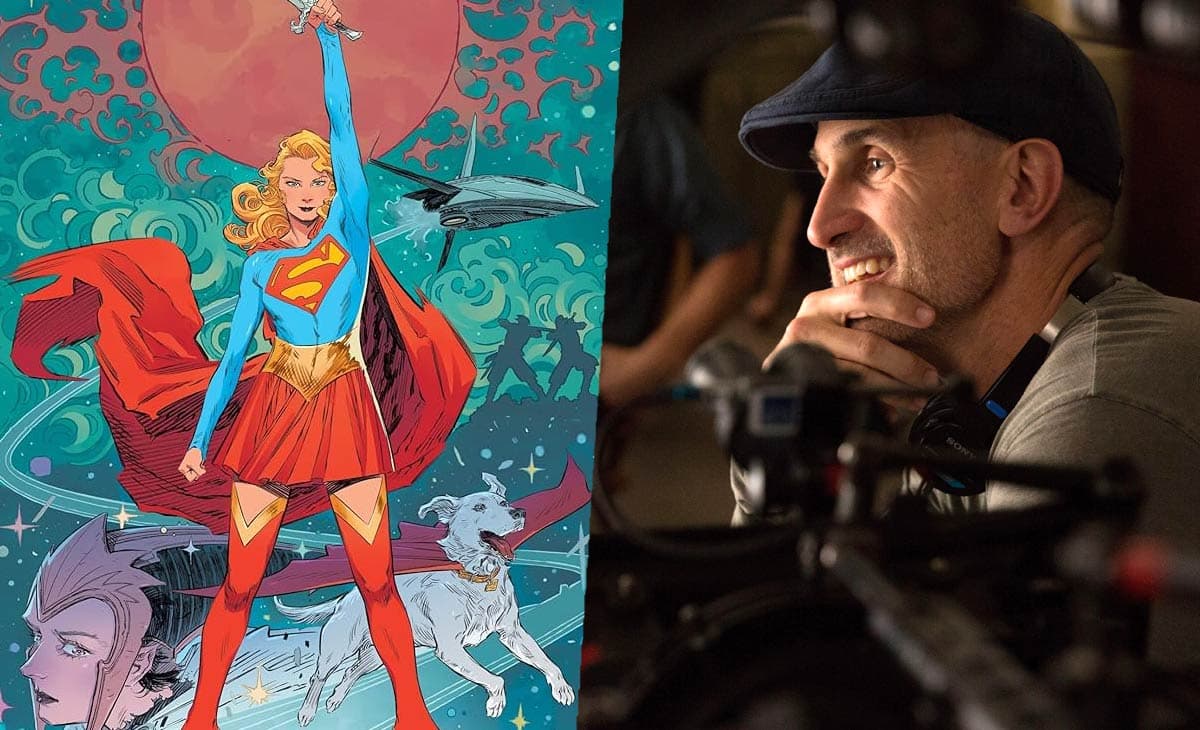
DC Studios put its own cut of Supergirl up against filmmaker Craig Gillespie’s version in March after months of concern that the movie was not working. The competing edits never broke out of the 60s on a 100-point test scale, and one insider put the high score at 70, a sign that the film was failing to find a stable identity before release.
That dispute mattered because it exposed a franchise-management problem, not just a single troubled title. James Gunn and Peter Safran have been rebuilding DC’s film universe around a tighter creative line, but Supergirl showed how quickly that plan can fray when the studio does not settle on a clear authority over tone, story direction and final assembly. The movie was still being fought over in post-production when it should have been locked.
The final release reflected that instability. Some accounts say about 25 minutes of footage were removed before the film reached theaters, and the finished runtime landed at 1 hour and 47 minutes including credits. Test-screening feedback also appears to have pushed specific changes, including reduced backstory material and a smaller Superman presence, suggesting the cut that opened in theaters was shaped by repeated interventions rather than a single decisive edit.

The box office only hardened the warning. The New York Times reported that Supergirl opened in second place with an estimated $38 million domestic debut, while Variety projected the film could cost Warner Bros. more than $100 million. Those numbers turned the release into more than a disappointing weekend: they raised questions about whether DC Studios can identify a film that is drifting and correct it before the damage becomes expensive.
That is the larger problem for the studio’s reboot strategy. Supergirl was supposed to help define the next era of DC’s screen universe, but instead it became evidence of a process that kept changing course while the clock was running. When a studio tests competing cuts, trims whole stretches of material and still cannot lift scores past the 60s, the issue is not just audience taste. It is a system that recognized trouble early, then left the film to absorb it.
This article was produced by Prism’s automated news system from verified source data, official records, and press releases, then run through automated quality and moderation checks before publishing. The system is built and supervised by the people who set the standards it runs under. Read our full AI policy.
Did this article answer your question?