Deadline fever: NBA trade wave reshapes rosters ahead of Feb. 5
Feb. 5 deadline looms as Feb. 1 moves, including a Portland-Atlanta swap, signal roster churn and a likely cascade of deadline activity.
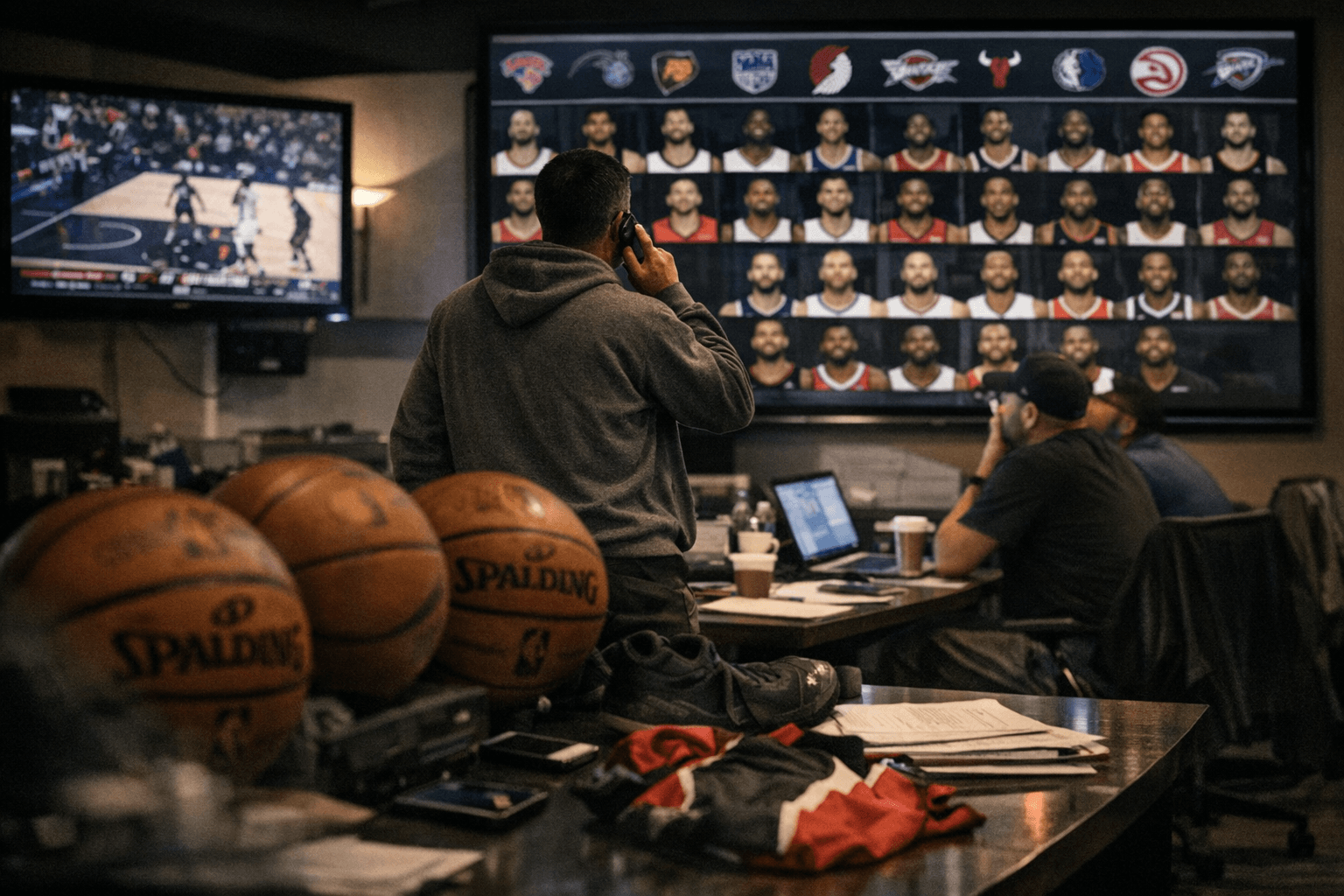
The NBA trade market heated up on February 1, with teams reshuffling depth and positioning for the Feb. 5 trade deadline. The clearest confirmed move in the early flurry saw the Portland Trail Blazers acquire guard Vit Krejci from the Atlanta Hawks in exchange for Duop Reath, a transaction reported in the Feb. 1 compilation of deadline activity. That deal, modest on its face, is emblematic of a broader, cross‑league churn in which clubs are buying, selling and cataloging assets ahead of a cutoff that could reshape the playoff landscape and front-office strategies.
Across mainstream outlets and focused analysts, coverage frames the current window as a sellers market with pockets of opportunistic buying. CBS Sports summed the scope of the scouting work: “Between the buyer's guide published Tuesday and today's seller's guide, 29 of the 30 teams have been addressed. The lone holdout, Atlanta, has already made its big move in trading Trae Young, and with losses accumulating, are unlikely to buy. However, given the youth of the roster and their strong pick and cap outlook, there's no real reason to sell either. They were the odd team out.” That assessment captures a league divided between contenders augmenting for a playoff push and rebuilding clubs monetizing future assets.
Independent analysts are mapping granular inventories of tradable prospects, salaries and picks that undergird dealmaking. The Subtsakalidis Substack provided a dense ledger of assets and scenarios, listing prospects with attached figures, pick availability across 2026–2032, and mock proposals. Its catalogue includes first-round picks described as “2026, 2 (best of Pelicans/Bucks then Cleveland’s, 2027 is less favorable of Bucks/Pelicans if either or both fall within 5-30, 2028, 2029, 2030, 2031, 2032” and second-round picks “(2026, 2029, 2030, 2031, 2032).” That level of detail signals how teams and market-watchers are valuing not just stars but salary relief, buyout paths and future flexibility.
Substack also offered executable mock trades that reveal prevailing strategic themes: Haywood Highsmith to the Philadelphia 76ers for Kelly Oubre, Eric Gordon, and two-second-round picks (2027 via PHX, 2028 via GSW). The Nets absorb Oubre and Gordon’s money to take back draft capital. The 76ers trim its books, while adding a 3-and-D wing. The extra roster spot would make them players in the buyout market. Another proposal centered on centers and tax engineering: Anfernee Simons, Xavier Tillman, a 2026 and 2031 second-round picks to Brooklyn for Day’Ron Sharpe, Ziaire Williams, Haywood Highsmith. This trade accomplishes several objectives. The Celtics could acquire a starting-caliber center, as Sharpe is hiding in plain sight as a breakout big man. They can acquire two pieces of wing depth that won’t do too much damage to their cap sheet for next year. They also duck the tax with this trade, and the price isn’t too significant.
Performance considerations are intertwined with salary mechanics. Outlets flagged veterans and expiring contracts as leverage: Sports Yahoo noted of Zach LaVine, “He’s certainly opting in to the final year of his contract for $48.9 million, but then he’s off the books after next season.” Teams such as the Hawks, the Heat, the Celtics, the Mavericks and the Pelicans were repeatedly cited as either shoppable or buyers depending on health and objectives; the New York Times even suggested New Orleans could make high-profile pieces available, observing, “This team could be setting itself up for some real future rebuilding success if it did make guys such as Trey Murphy III, Herb Jones and even Zion Williamson available in a deal.”
Beyond wins and losses, the deadline frames wider cultural and business currents. Trades alter players’ lives, local fan identities and broadcast narratives while influencing long-term payroll structures and luxury-tax calculations. As the deadline approaches, front offices must weigh immediate title ambitions against franchise trajectories, and communities from Portland to New Orleans brace for the social and emotional reverberations of roster change. The coming 96 hours promise to test that balance and, as the market chatter suggests, may produce seismic moves or a cascade of smaller transactions that will quietly remake rosters for seasons to come.
This article was produced by Prism’s automated news system from verified source data, official records, and press releases, then run through automated quality and moderation checks before publishing. The system is built and supervised by the people who set the standards it runs under. Read our full AI policy.
Did this article answer your question?
.jpg&w=1920&q=75)