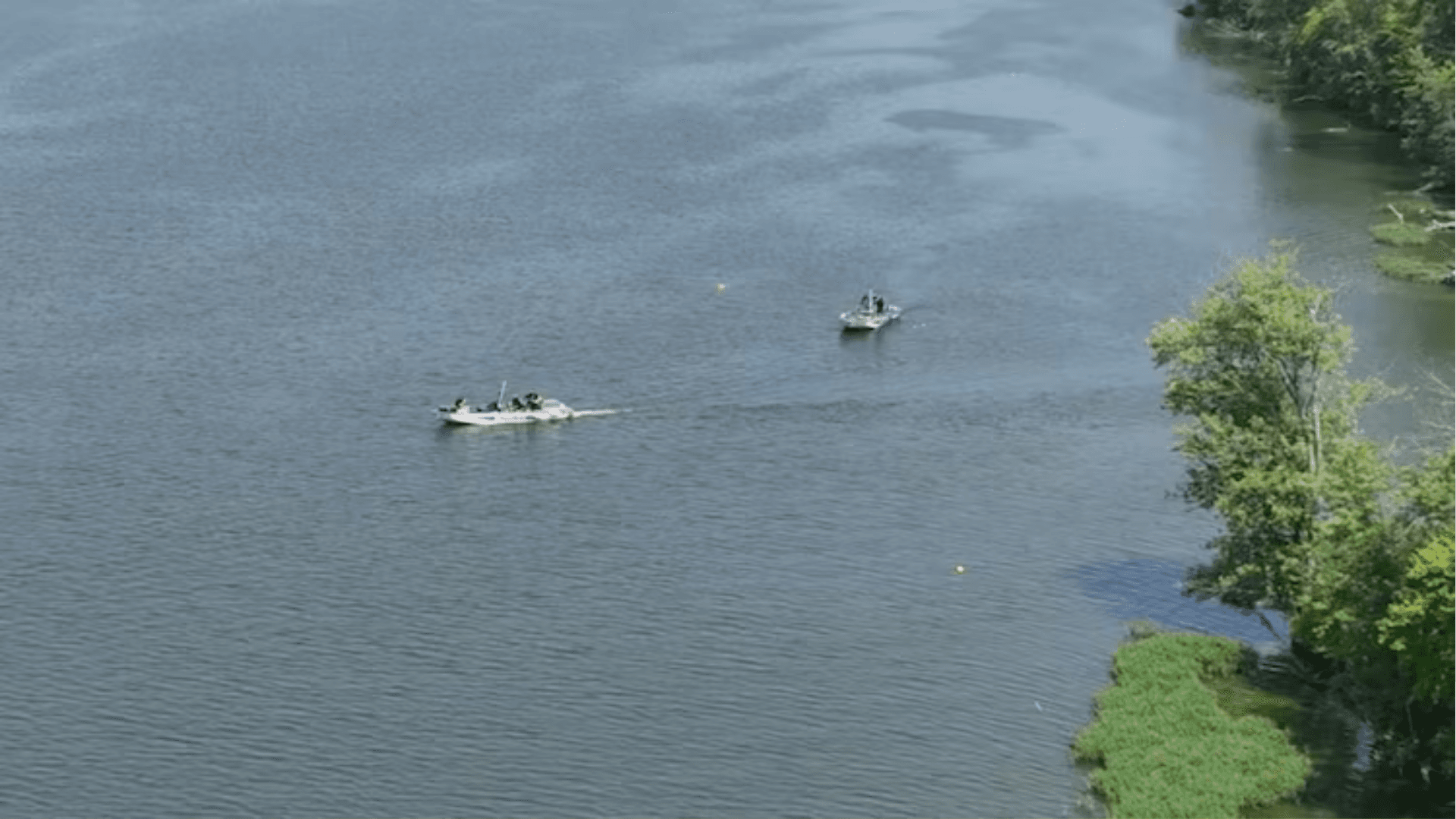
Deadly storms trigger flash flooding across the Northeast and Mid-Atlantic
Flash flooding spread from Ohio to New England, breaking records and canceling thousands of flights as the Weather Service warned of a dangerous, life-threatening situation.
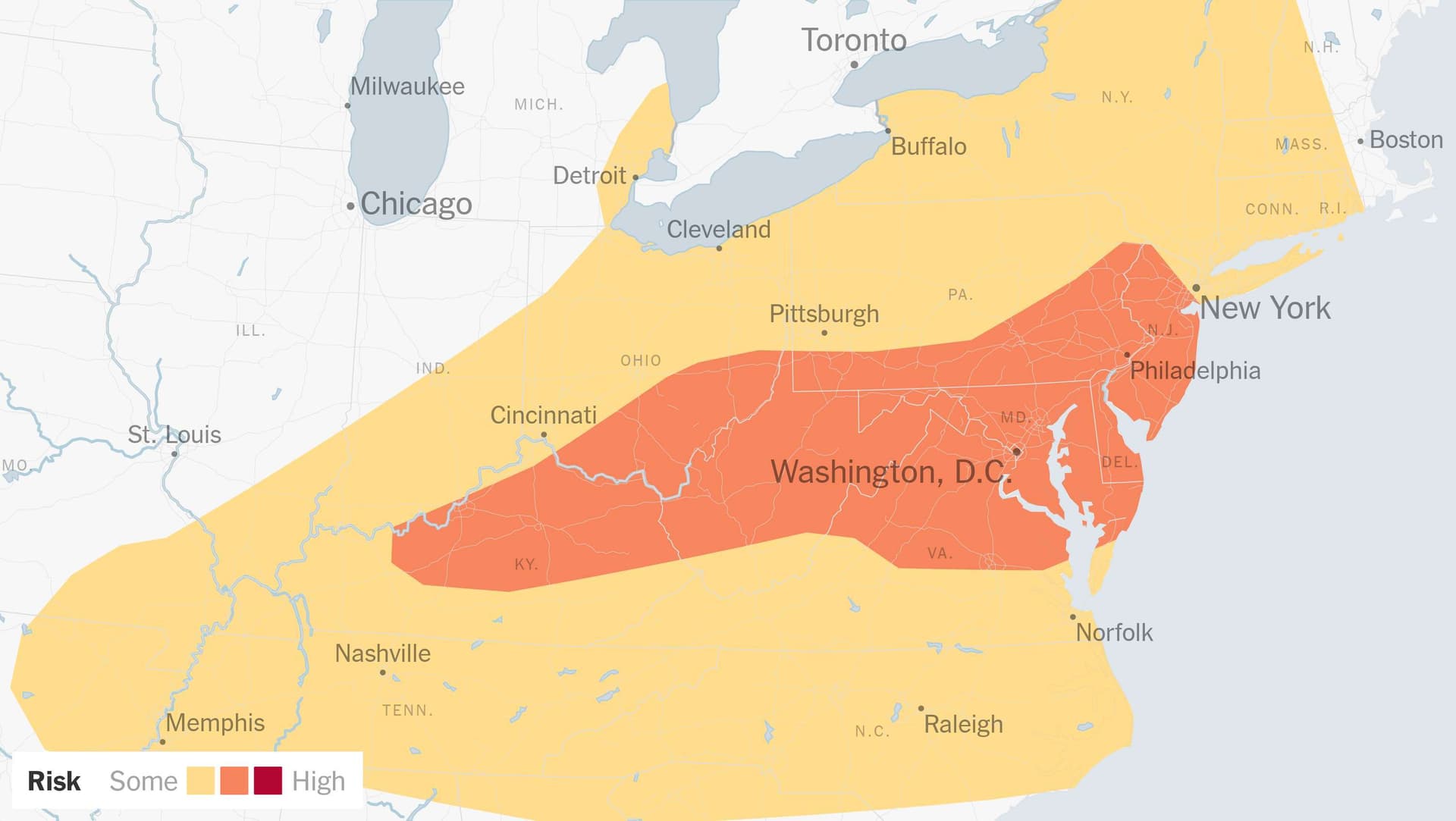
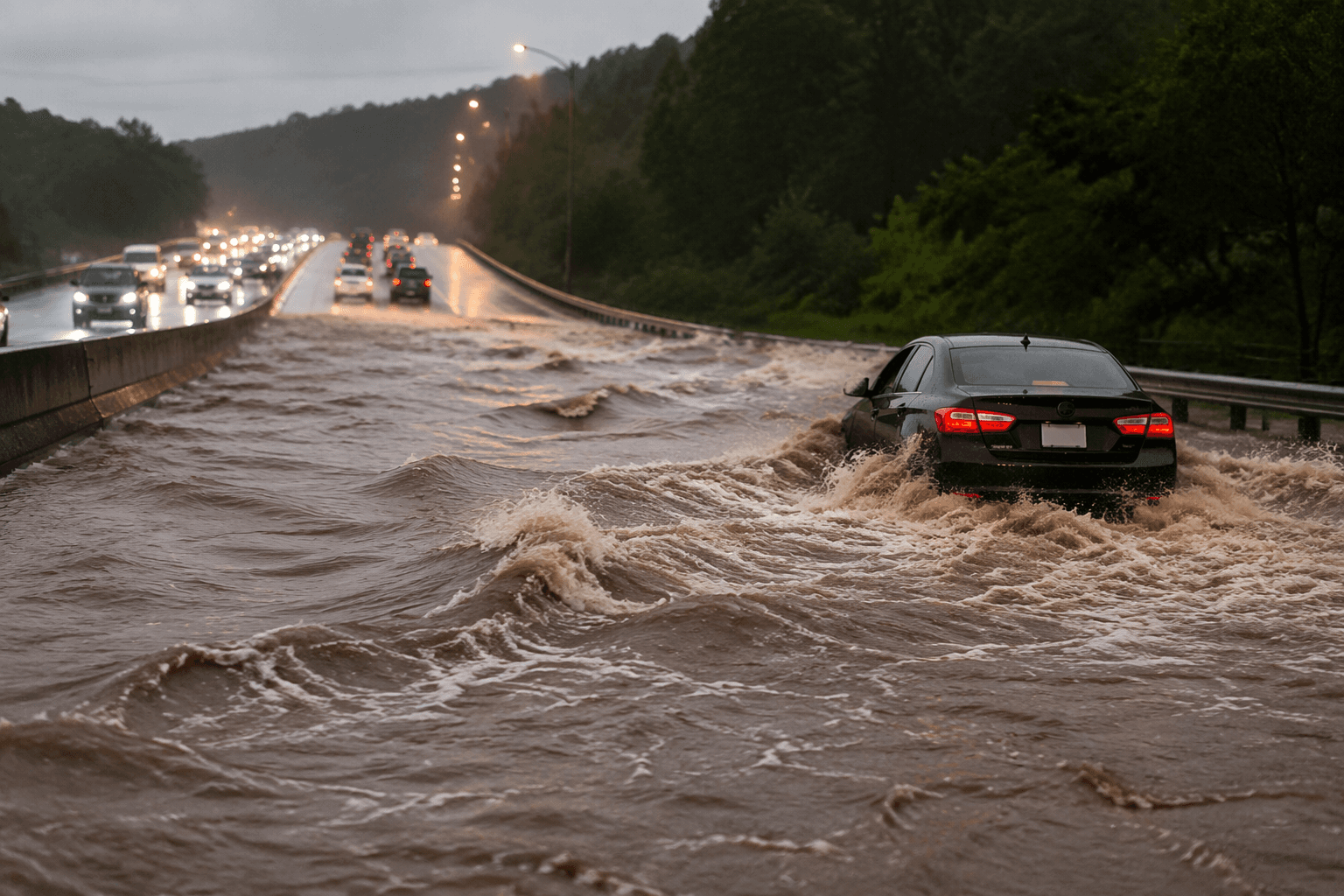
Flash flooding hit the Northeast and Mid-Atlantic on Tuesday, when storms swept across the country’s most populated corridor and the National Weather Service called it a “dangerous and life-threatening situation.” The system triggered widespread water from Ohio to New England and beyond, disrupting a region where millions depend on same-day travel, airport connections and commuter traffic.
Later National Weather Service material described flooding from New Jersey through New York to Vermont, with many flooding records broken and thousands of flight cancellations. The broad impact reached well beyond isolated neighborhoods, with travel snarled across one of the nation’s busiest population centers while emergency crews and road crews dealt with fast-rising water.
In Vermont, the National Weather Service in Burlington documented the “Significant Flooding and Severe Weather Event of 10-11 July 2024,” showing the episode stretched into July 10-11 in parts of the region. A Burlington hydrologic report for July 2024 also recorded the storm’s aftermath under the local forecast office’s water and river monitoring work, a reminder that the consequences did not end when the rain stopped. River flooding continued across central and northern Vermont, where several rivers reached major flood stage.
The storm’s reach and the air-travel fallout underscore how exposed the Northeast remains when intense rain falls over dense urban and suburban corridors. Thousands of cancellations can ripple through airport hubs, leave commuters stranded and delay deliveries and service work across state lines, all within a single day of weather.
The latest flooding also landed against a clear historical backdrop. The National Weather Service has already reviewed the July 9-12, 2023 Northeast flash flood and river flooding event, and NOAA/NESDIS has described similar Northeast storms as causing catastrophic flooding. The repetition is now hard to miss: when the same states, river basins and transportation networks are hit again, local officials face the same urgent question of whether flood defenses, drainage upgrades and warning systems have improved enough to keep pace with the next extreme downpour.
This article was produced by Prism’s automated news system from verified source data, official records, and press releases, then run through automated quality and moderation checks before publishing. The system is built and supervised by the people who set the standards it runs under. Read our full AI policy.
Did this article answer your question?