Deadly Utah-Colorado wildfires force evacuations, prompt emergency declarations
Three firefighters were killed on the Utah-Colorado border as the Snyder fire spread and Utah’s Cottonwood blaze kept burning uncontained amid drought and red-flag winds.
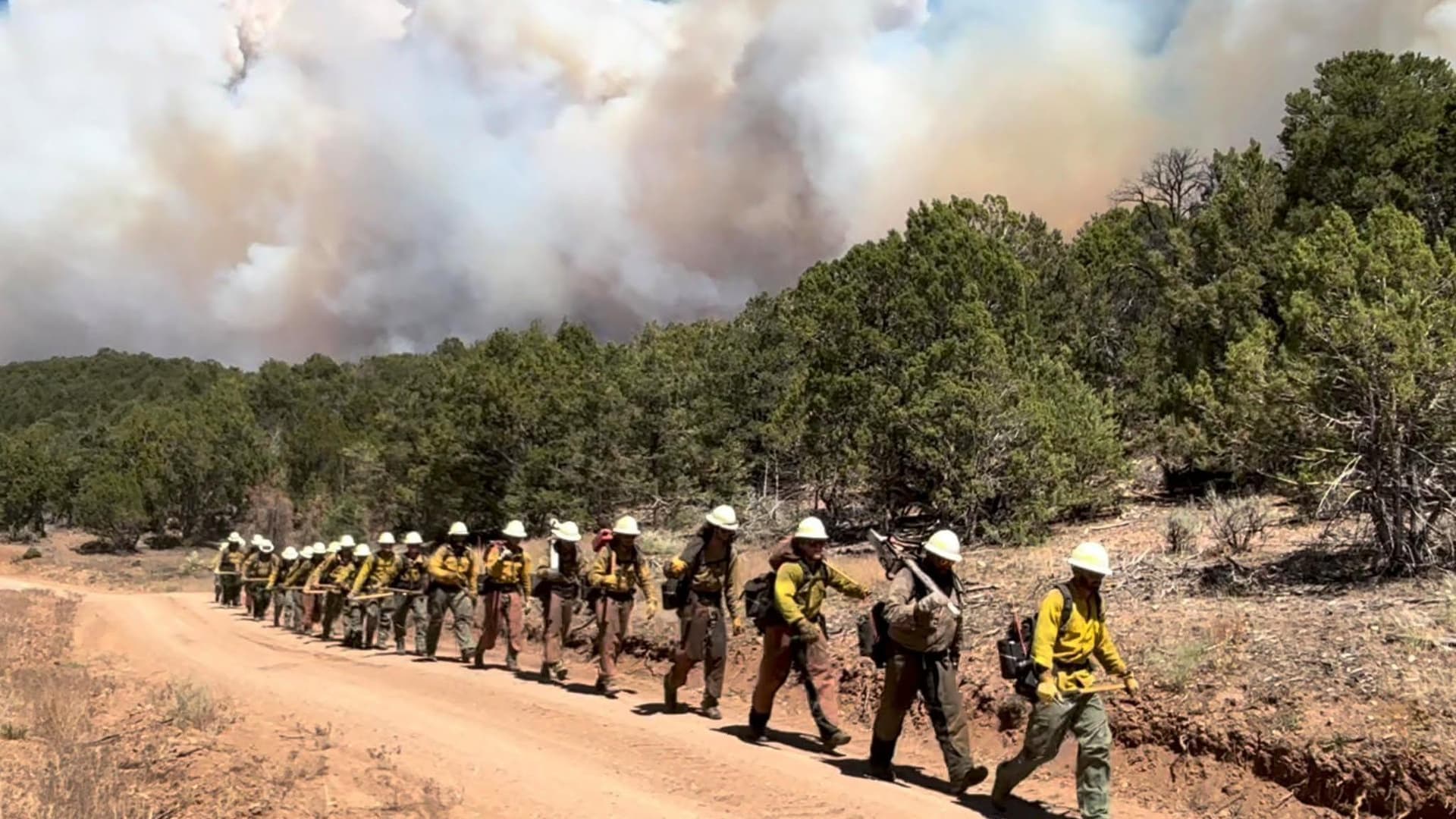
Three firefighters were killed and two others were injured while responding to the Snyder wildfire along the Utah-Colorado border, a lethal turn in a fire season that has already strained crews across the interior West. The deaths came as Colorado Gov. Jared Polis declared a disaster emergency response and authorized the Colorado National Guard to support firefighting efforts.
The Snyder fire began Saturday morning as the Snyder Mesa Fire in eastern Utah’s Grand County before spreading into Colorado and merging with the smaller Jones and Knowles fires in Mesa County. By Sunday, it was estimated at 28,000 acres and 0% contained, with evacuation warnings in place for several smaller communities in Mesa County. The U.S. Wildland Fire Service said the firefighters who died were part of an interagency response, underscoring how federal, state and local crews have been spread across multiple simultaneous blazes.
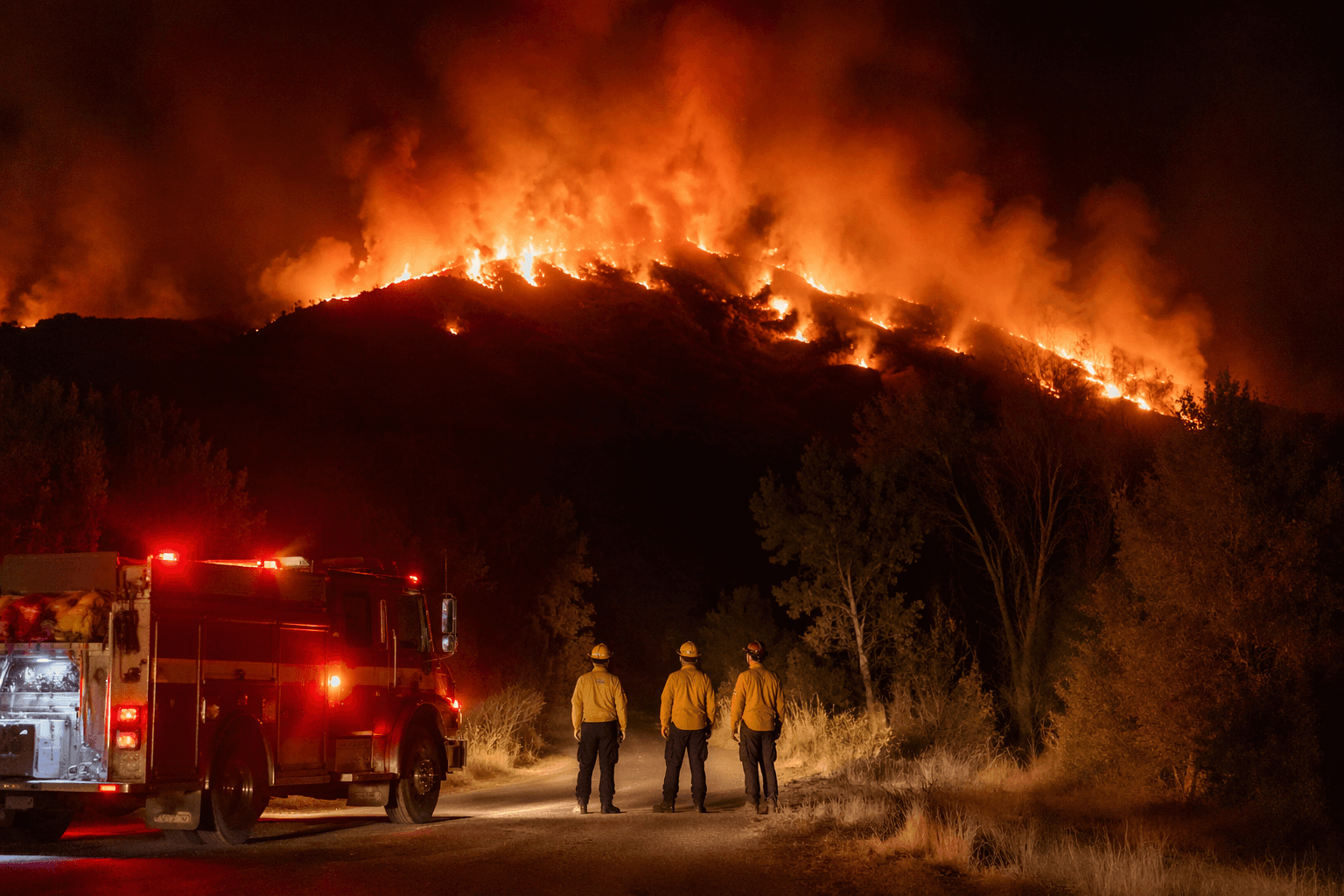
Utah has been confronting a separate wall of fire activity. State officials said wildfire season had already seen more than 230 fires by June 11, and more than 75% of the wildfires this season were human-caused. Gov. Spencer Cox ordered temporary statewide fireworks restrictions on June 25 through July 5, saying Utah was facing historic wildfire conditions, exhausted firefighting resources and some of the most dangerous fire behavior in state history. Local governments were allowed to designate safe fireworks areas in consultation with fire officials.
The Cottonwood Fire near Beaver had grown to nearly 111 square miles, or 287 square kilometers, and was entirely uncontained. It severely damaged the Eagle Point ski resort in Beaver County and forced mandatory evacuations. Utah leaders said the National Weather Service had issued a rare Particularly Dangerous Situation warning for parts of the West because of dry, windy conditions, a signal of how quickly fire danger has escalated as drought deepens and vegetation dries out.
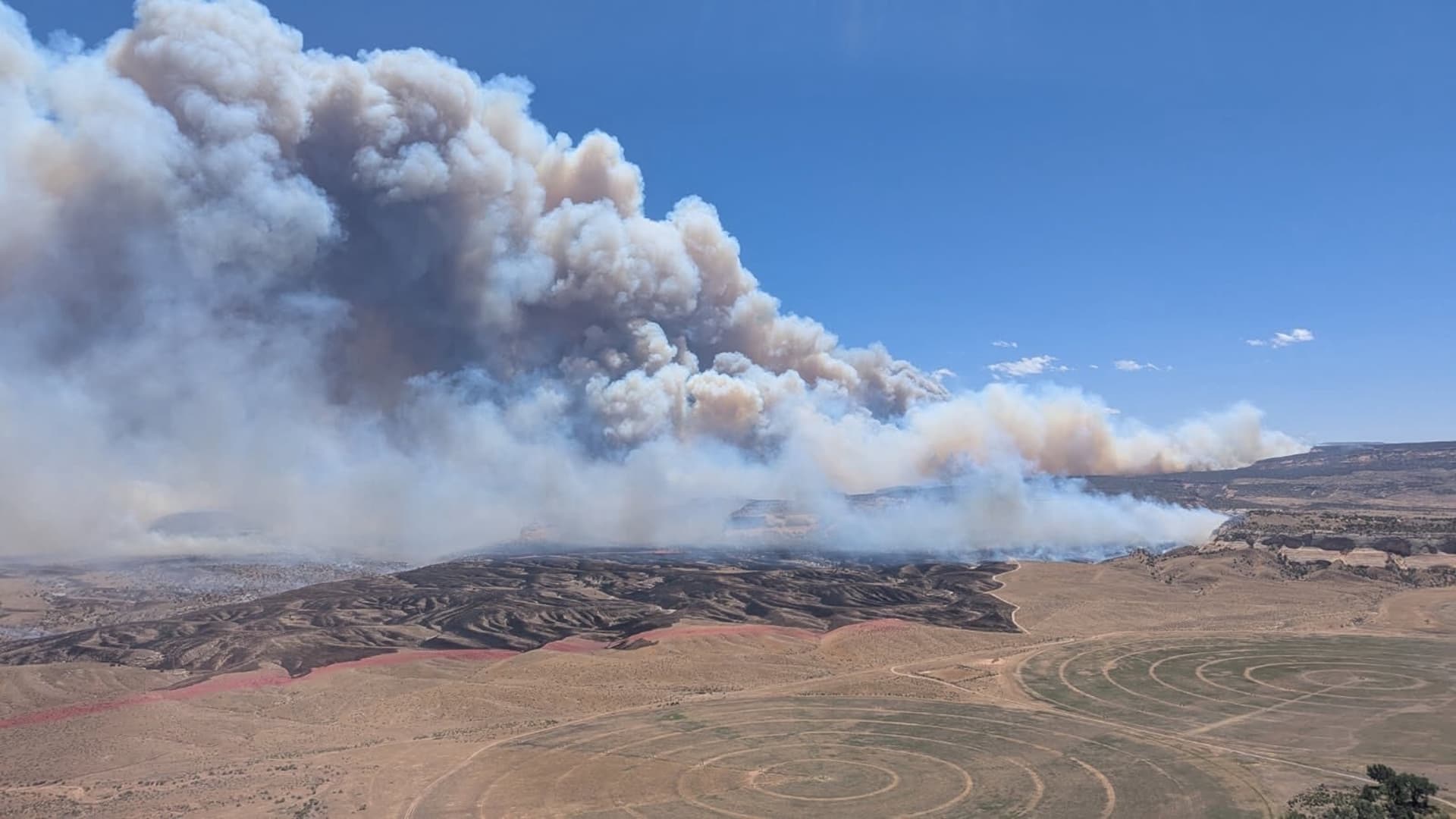
The fires have forced evacuations, road closures and damage to homes and a ski resort, with smoke visible hundreds of miles away. Together, the deaths on the Snyder fire and the uncontained Cottonwood blaze show how routine wildfire season has become faster-moving and deadlier for responders and the communities they protect.
This article was produced by Prism’s automated news system from verified source data, official records, and press releases, then run through automated quality and moderation checks before publishing. The system is built and supervised by the people who set the standards it runs under. Read our full AI policy.
Did this article answer your question?