Decades-old skull identified as missing California man after DNA breakthrough
A 1966 skull found in Illinois was identified as a California man last seen in 1965, ending a decades-long mystery and launching a homicide investigation. The ID highlights the power of genetic genealogy.
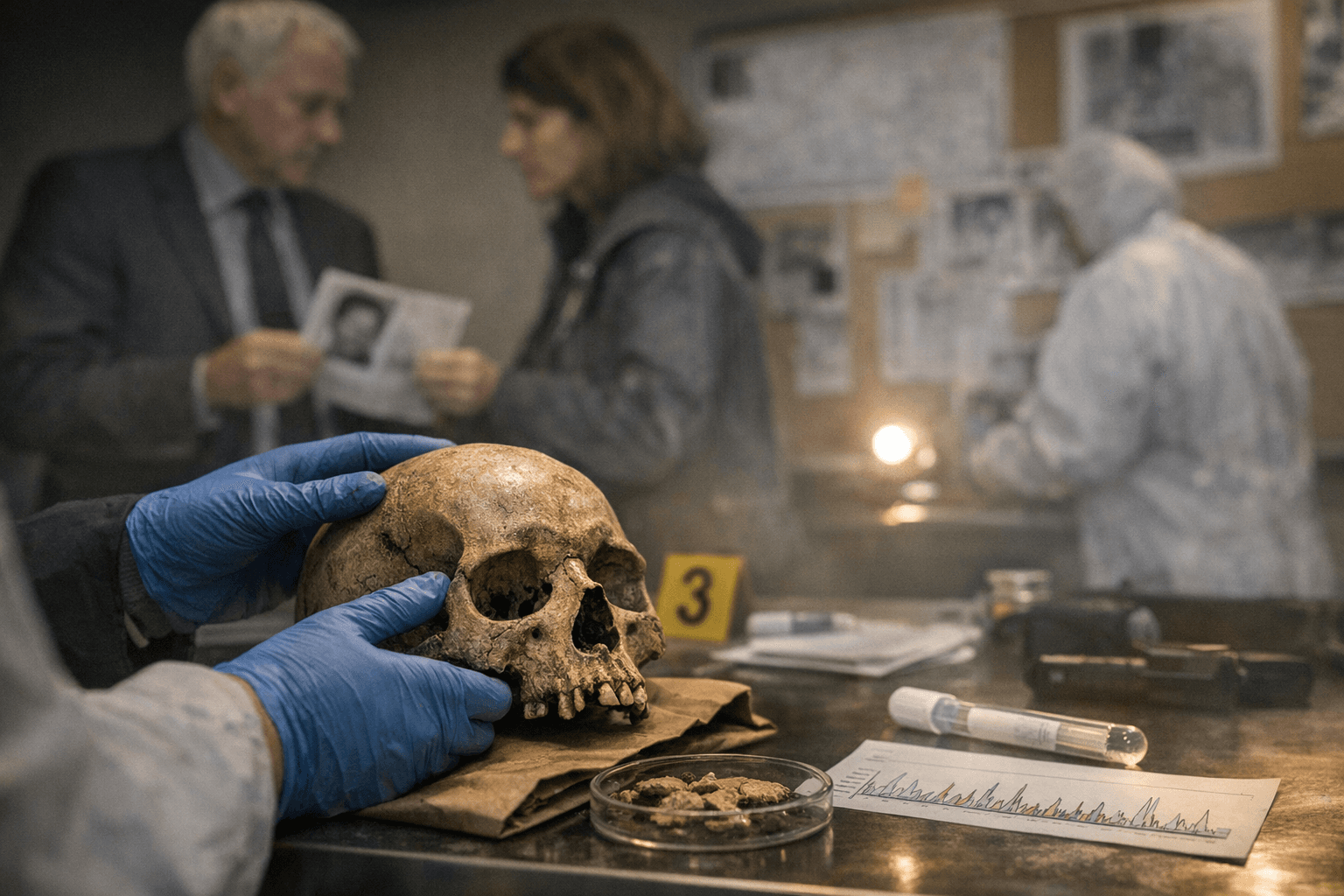
Investigators announced this week that skeletal remains recovered in 1966 in Geneseo, Illinois, have been identified as Ronald Joseph Cole, a California man who was last seen in 1965 but not reported missing until 1983. The identification was confirmed through genetic testing and genealogical research, with DNA confirmation completed on January 10, 2026.
The Henry County Sheriff's Office and the DNA Doe Project developed the leads that ultimately tied the skull to Cole. Ventura County Sheriff’s Office reviewed its case files and worked with Henry County investigators to confirm the match and reconcile the cross-state records. With the identification now established, jurisdiction for the homicide investigation rests with Henry County, Illinois.
The case charts a long, fragmented timeline. A skull found in Geneseo in 1966 entered local cold-file records and remained unidentified for more than half a century. Cole disappeared from California in 1965 and was not listed as missing until 1983, complicating early efforts to trace his movements. Family members had long suspected foul play and named a half-brother as a suspect; that person died in 2007. Investigators have not yet determined how Cole’s remains came to be in Illinois or where he was killed. The matter is being treated as a homicide investigation as authorities work to fill gaps in the record.
This case underscores the practical value of modern cold-case tools. Genetic genealogy and targeted DNA testing have become decisive in converting decades-old evidence into investigative leads. Cross-jurisdictional cooperation between local sheriff’s offices and volunteer forensic groups can move stalled files back into active status, prompting renewed review of physical evidence, witness canvasses, and travel or communication records tied to the missing person.
For family members and the true crime community, the identification offers both closure and renewed purpose: closure in finally naming a loved one after more than 50 years, and purpose in supporting the next phase of the investigation. If you have information about Cole’s last known movements, contacts, or any connection to Geneseo in the mid-1960s, provide that information to Henry County law enforcement so investigators can pursue leads while memories and records are still accessible.
The result also signals what comes next: detailed homicide work in Henry County, renewed evidence review, and outreach to potential witnesses or communities that might explain how a California resident’s remains came to rest in Illinois. Advances in DNA science have rewritten the ending to one cold case; they are likely to reshape many more as investigators and families keep searching.
Know something we missed? Have a correction or additional information?
Submit a Tip