Decaturville courthouse anchors county genealogical and public records access
Decaturville’s courthouse and local historical society hold key records residents need for genealogy, property and voting information. Confirm hours and contact offices before visiting.
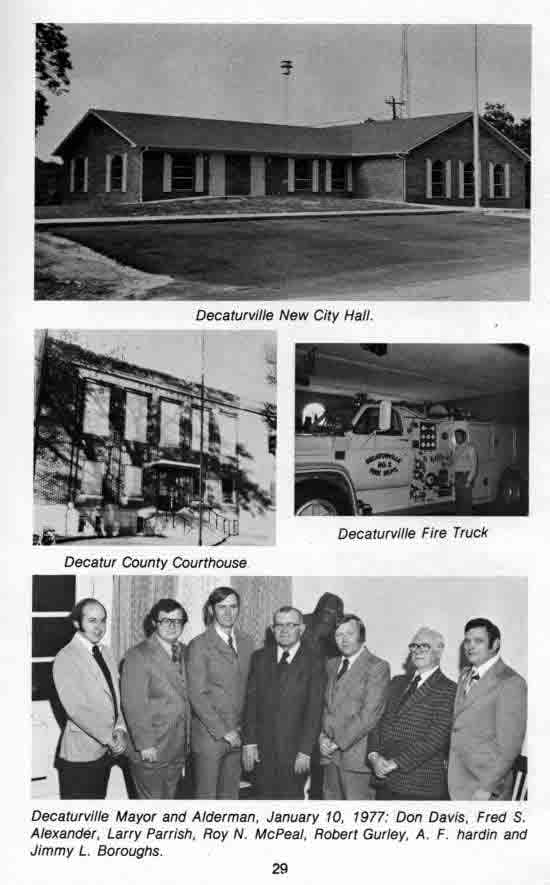
The Decaturville courthouse remains the central hub for Decatur County residents and researchers seeking marriage records, wills, deeds, court minutes and other public documents that shape family histories and property rights. The Tennessee State Library and Archives lists county fact sheets and local holdings that identify early marriage records, wills, deed and court minute collections, making the courthouse and its archives an important stop for anyone tracing roots or resolving title questions.
The Decatur County Historical Society supplements courthouse holdings with town histories, landmark inventories and museum collections focused on Parsons and surrounding communities. The society’s local pages describe archival holdings and provide contacts for researchers and volunteers, supporting preservation and community outreach that help keep local memory accessible to new generations.
Practical logistics remain essential. County offices that handle title research and tax records, including the assessor, treasurer and trustee, are housed in Decaturville alongside the courthouse. County voter and election contact listings also supply addresses and phone numbers residents can use to confirm precinct details and public notices. Researchers and residents should call ahead to confirm office hours, document availability and whether appointments are required before traveling to the courthouse or historical society.
These records matter beyond genealogy. Deeds and trustee files underpin property transactions; court minutes can clarify past legal actions affecting a parcel or family; voter roll and precinct information inform civic participation and election administration. That overlap places the courthouse at the intersection of personal history and public accountability, where access to accurate records supports fair property markets and transparent elections.
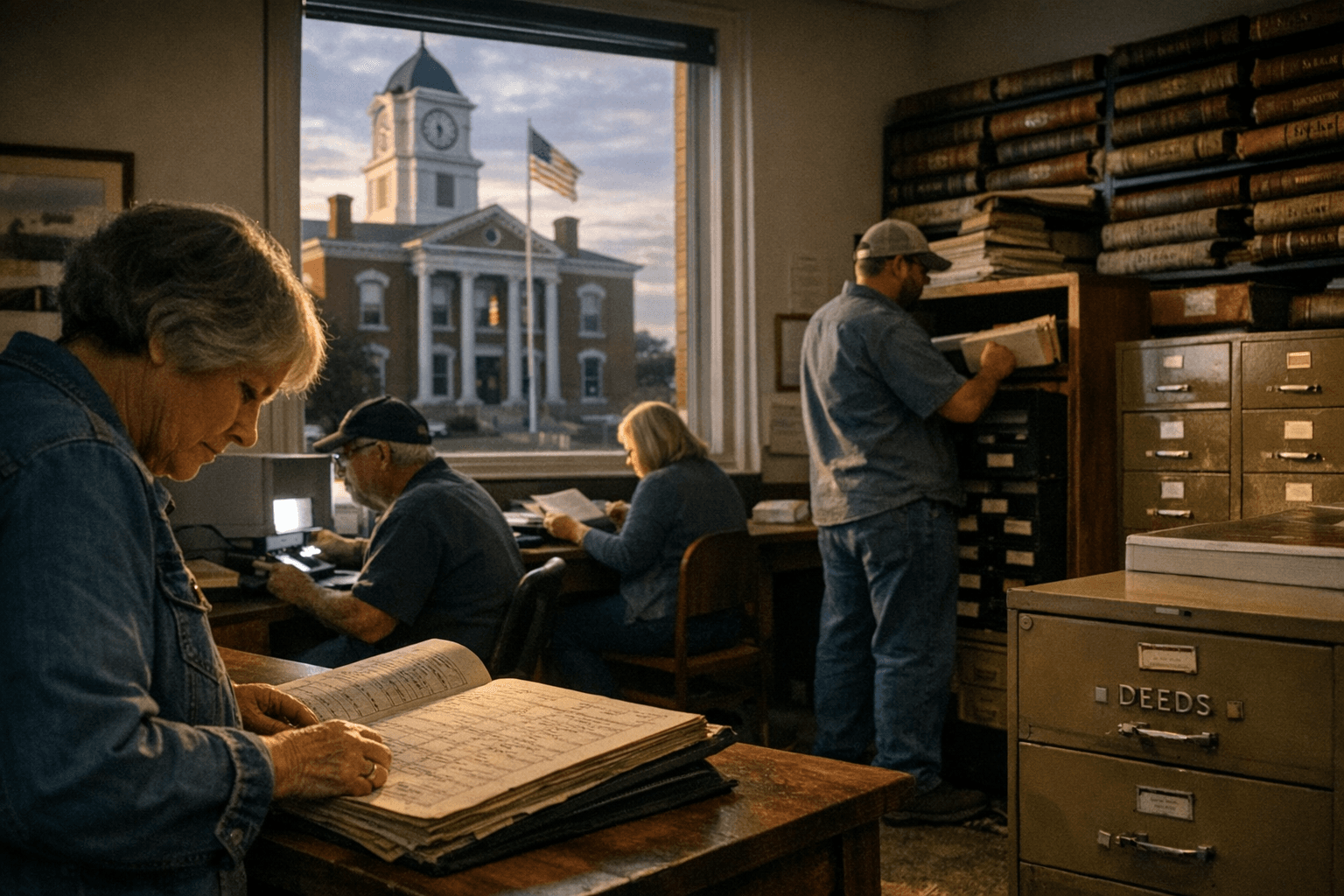
Institutional capacity and access remain questions for local policymakers. Maintaining cataloged holdings, ensuring reliable contact information for county offices, and investing in preservation or digitization can reduce barriers for residents who lack the time or mobility to visit in person. Volunteers and the historical society help bridge gaps, but sustained funding and clear public guidance are needed to keep records discoverable and services efficient.
For readers, the courthouse and historical society are practical starting points for family research, property inquiries and election-related questions. Before making the trip, call the appropriate county office or the historical society to verify hours and document availability. Continued community use and engaged oversight will determine how effectively Decatur County preserves the past while serving present civic needs.
This article was produced by Prism’s automated news system from verified source data, official records, and press releases, then run through automated quality and moderation checks before publishing. The system is built and supervised by the people who set the standards it runs under. Read our full AI policy.
Did this article answer your question?