Declassified documents undercut Trump’s claims of election system flaws
Trump promoted declassified election files as proof of “shocking vulnerabilities,” but the records said systems were hard to manipulate and paper trails would expose tampering.
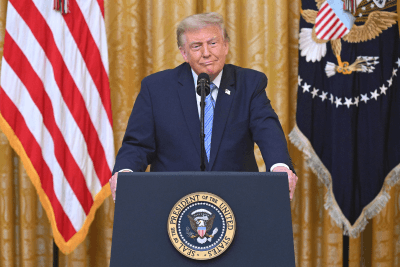
Donald Trump used a primetime address from the White House East Room on July 16 to promote declassified election documents that said voting systems “would be difficult to manipulate.” The same records said audits and paper trails “would uncover such efforts,” a detail that cut against Trump’s claim that they revealed “shocking vulnerabilities” in the nation’s election infrastructure.
The 26-minute speech revived Trump’s long-running arguments that China interfered in the 2020 election and that American election administration remains dangerously fragile. But the newly released material was tied to foreign interference and election-security assessments, not to proof that the election was stolen or that voting systems were broken in the way Trump described.
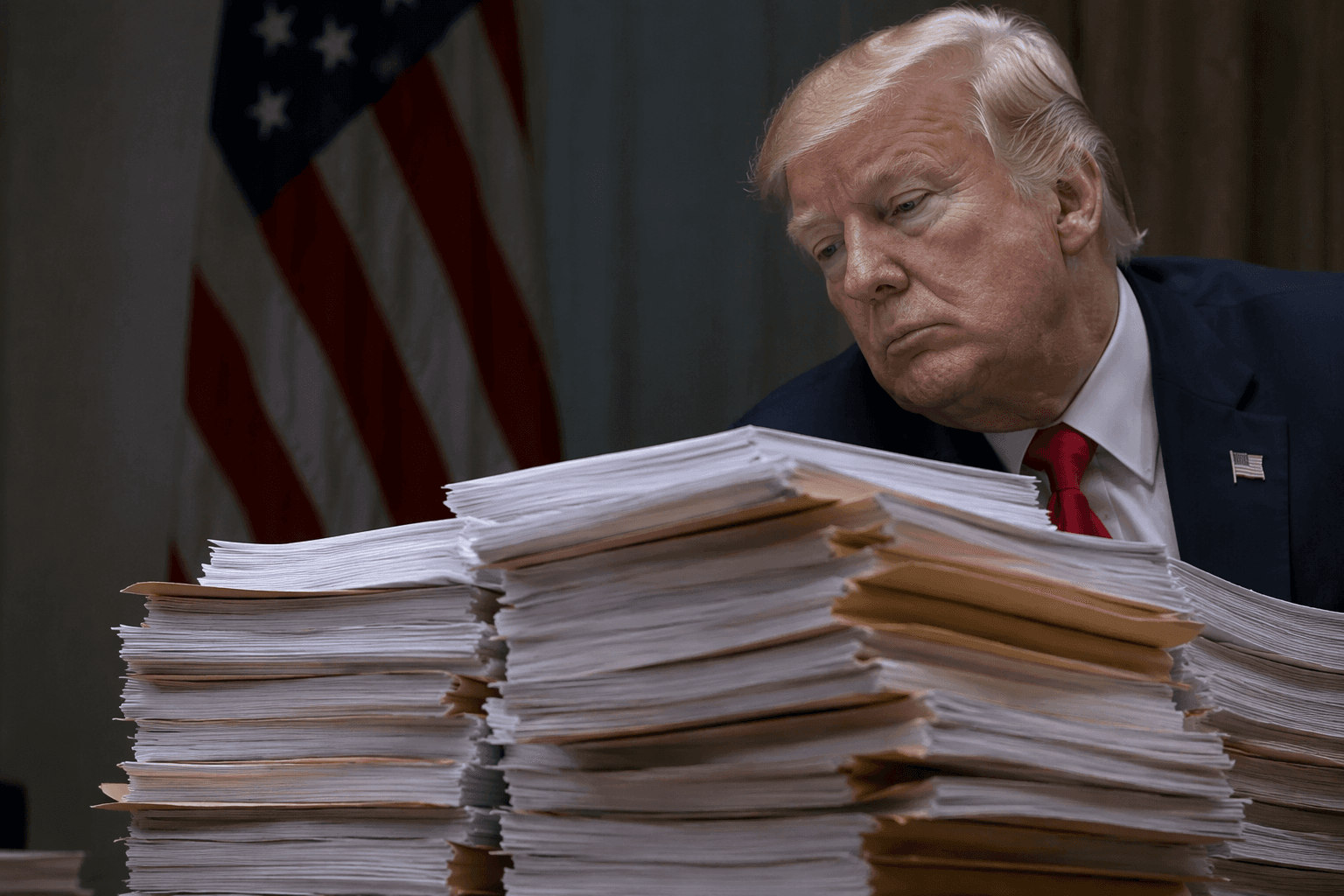
That gap between the documents and Trump’s rhetoric was the central point of the fact-checks that followed. ABC News, NBC News, PBS NewsHour with PolitiFact, and the BBC all concluded that the declassified material offered scant evidence for Trump’s broader allegations. NBC News and PBS NewsHour said the documents did not fully back his claims, and the BBC framed the speech as a test of whether the files actually supported his election-security case.
The records themselves pointed in the opposite direction from Trump’s warnings. By saying systems would be difficult to manipulate and that audits and paper trails would expose interference, the documents described a process built to detect tampering after the fact. That is not the same as proof that manipulation happened, or that election administrators lacked the tools to catch it.
The dispute also echoes the 2020 vote, when election security officials had no evidence that ballots were deleted or lost by voting systems in that month’s U.S. election. That earlier finding underscored the same divide that surfaced in Trump’s East Room remarks: allegations of systemic failure can travel faster than the records meant to test them.
Trump presented the declassified material as support for his case against election fraud and foreign interference. The documents instead described safeguards, checks, and audits, leaving his “shocking vulnerabilities” line in direct tension with the very files he had chosen to showcase.
This article was produced by Prism’s automated news system from verified source data, official records, and press releases, then run through automated quality and moderation checks before publishing. The system is built and supervised by the people who set the standards it runs under. Read our full AI policy.
Did this article answer your question?