Defence chiefs resign, piling pressure on Starmer over spending row
John Healey and Al Carns quit over a delayed defence plan, sharpening questions over Starmer’s authority and Labour’s spending priorities.
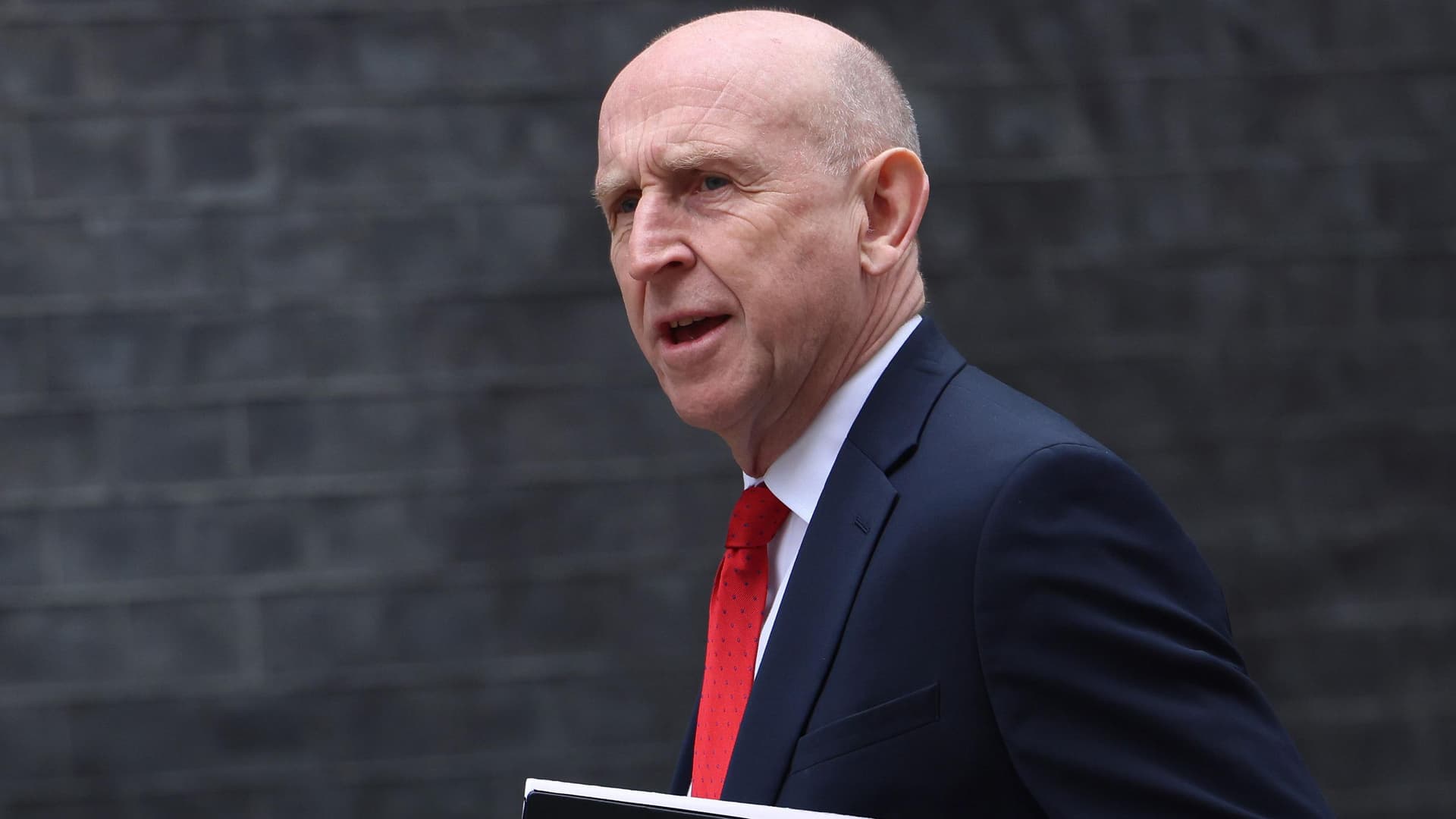
John Healey’s resignation as defence secretary turned a long-running spending dispute into a direct test of Keir Starmer’s authority, with a second minister, Al Carns, following him out of the Ministry of Defence hours later. The departures exposed a split inside Labour over how much Britain should spend to meet rising threats and how far the Treasury is willing to go.
Healey quit on 11 June 2026 after saying the government’s Defence Investment Plan “falls well short” of what is required. He said the Treasury was unwilling to commit the resources needed to defend the country at a dangerous time, and told colleagues he had been given the spending plans on Monday afternoon, leaving him with “no other option than to submit my resignation”.

Carns, the minister for the armed forces, resigned later the same day. He said: “Number 10 will not listen, so I am resigning as Minister for the Armed Forces.” His departure deepened the sense that the row was no longer just about one budget document but about whether Downing Street was listening to the military case being made inside government.
The dispute centred on a Defence Investment Plan that had been delayed for months amid wrangling between the Ministry of Defence and the UK Treasury. The plan was meant to map spending through 2035, but the back-and-forth over cost and timing left it stalled even as ministers were under pressure to show how Britain would respond to a more dangerous security environment, including support for Ukraine and the need to strengthen the armed forces at home.
Healey’s exit carried extra political weight because he had been widely seen as a close ally of Starmer. It was also reported as the 21st ministerial departure from Starmer’s government since Labour’s landslide victory in July 2024, a tally that will feed questions about discipline in the top team just under two years into office.
Tan Dhesi, chair of the House of Commons Defence Committee, publicly praised Healey as a serious and respected minister who understood the scale of the threats facing the UK. But opposition figures moved quickly to frame Carns’s resignation as evidence of wider chaos, and Labour now faces a harder test than a routine cabinet row: whether it can hold together its defence, fiscal and political authority at the same time.
This article was produced by Prism’s automated news system from verified source data, official records, and press releases, then run through automated quality and moderation checks before publishing. The system is built and supervised by the people who set the standards it runs under. Read our full AI policy.
Did this article answer your question?

