Defence spending plan delay sparks warnings over credibility and cuts
The Defence Investment Plan missed its deadline, fuelling warnings that a £15bn fund could weaken UK credibility with allies and industry.
Sunday’s front pages were split between a royal wedding and a far more awkward question for ministers: why the Defence Investment Plan was still missing after its promised June 2 release date. The plan was meant to land on the one-year anniversary of the Strategic Defence Review, but a senior minister has now said it will come in weeks rather than months.
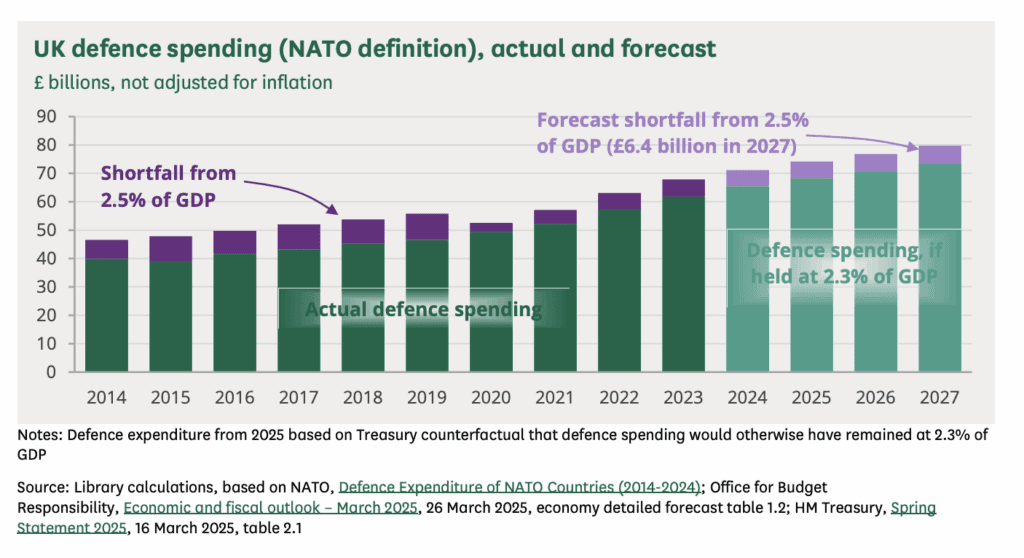
The delay matters because the plan is supposed to translate the government’s defence promise into actual spending choices. Ministers have said defence spending will rise to 2.6% of GDP by April 2027, with an ambition to reach 3% in the next Parliament. Without the investment plan, MPs, military figures and defence firms say they are left guessing over the scale and timing of orders, the shape of procurement, and how much cash will be available for the Ministry of Defence’s priorities.

That uncertainty has already become a political problem. A scathing assessment has said the absence of the plan has damaged the military and undermined the UK’s credibility among allies, a criticism that lands hard at a moment when NATO partners are watching how quickly London can match rhetoric with money. Defence companies also say the pause makes it harder to plan investment, staffing and supply chains, especially when programmes can take years to deliver and depend on a stable pipeline.
The talk in Westminster is now not just about delay but about possible retrenchment. One report said the fund under consideration could be cut to about £15bn, a sign that wider economic pressure is forcing ministers to test how far their ambitions can stretch. If that figure proves accurate, the immediate losers would be the people and firms waiting for certainty: suppliers deciding whether to expand, commanders planning equipment upgrades, and allies looking for proof that the UK’s promises will survive the Treasury squeeze.
Against that backdrop, the royal wedding of Peter Phillips and Harriet Sperling at All Saints Church in Kemble, Gloucestershire, offered a softer front-page counterpoint. Phillips, the eldest child of Princess Anne and the first of Queen Elizabeth II’s grandchildren to remarry, drew the celebrity attention; the defence plan delay, however, is the story with the larger stakes. It will determine whether the government can turn a headline spending pledge into a credible programme, or whether the gap between promise and delivery keeps widening.
This article was produced by Prism’s automated news system from verified source data, official records, and press releases, then run through automated quality and moderation checks before publishing. The system is built and supervised by the people who set the standards it runs under. Read our full AI policy.
Did this article answer your question?

