Delayed BLS Data Shows Slower Hiring, Unemployment Rises
A Bureau of Labor Statistics release on November 20 showed U.S. employers added 119,000 payroll jobs in September, a stronger monthly gain than many had expected, while the unemployment rate rose to 4.4 percent. The report was delayed by a federal government shutdown and included revisions that trimmed earlier gains for July and August, underscoring a softer labor market and complicating the Federal Reserve's outlook.
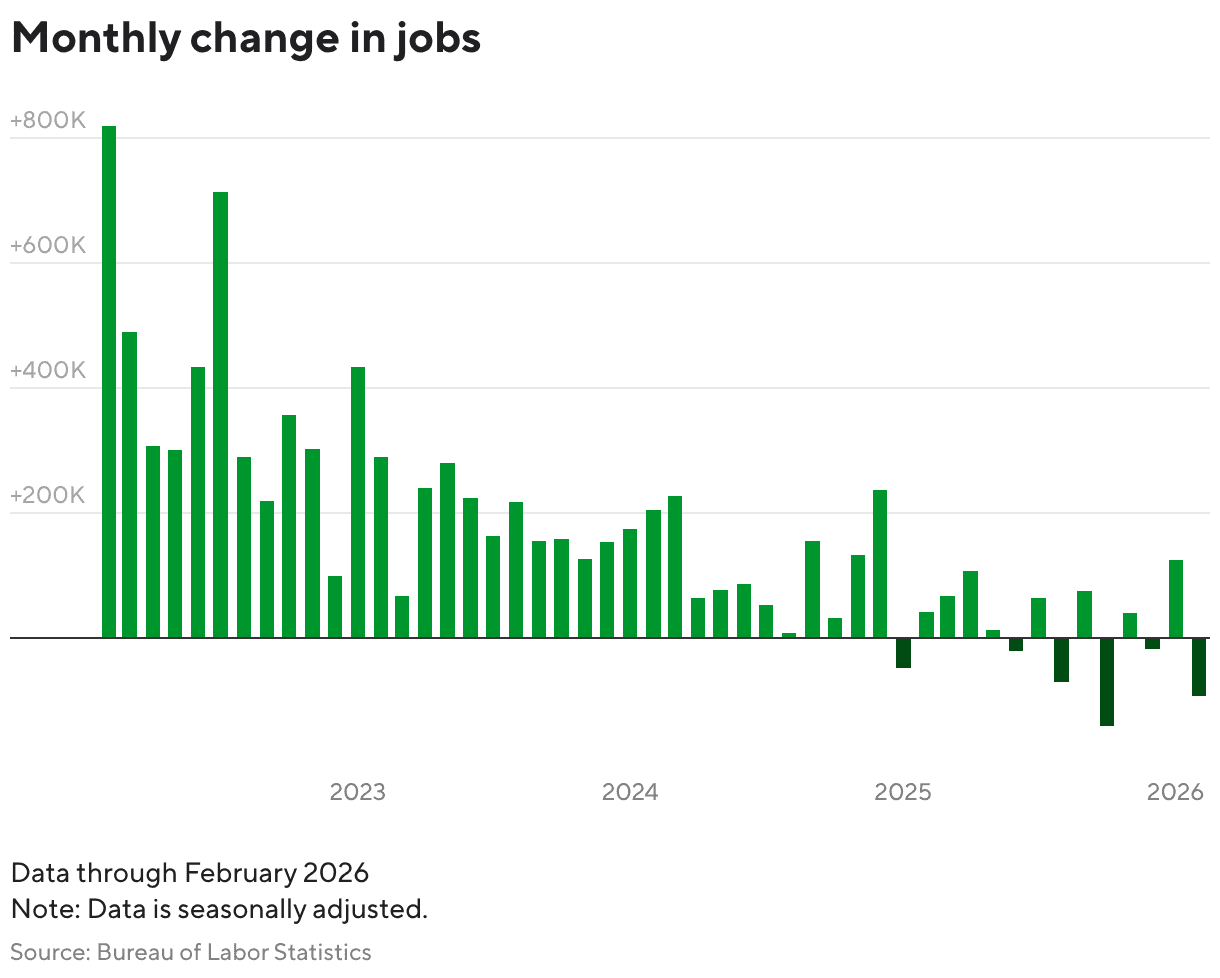
The Bureau of Labor Statistics on November 20 released a delayed payrolls report showing U.S. employers added 119,000 jobs in September and the unemployment rate rose to 4.4 percent. The release arrived after a lengthy interruption of federal data operations caused by a government shutdown earlier in the fall. The agency said the interruption prevented it from producing a full October jobs report because household survey data were incomplete. Some October data will be folded into the November report scheduled for mid December.
Beyond the headline, the report carried important revisions. The BLS reduced previously reported job gains for July and August, signaling that the labor market had slowed more than earlier estimates indicated. That pattern narrows the margin for interpreting the economy as resilient and raises questions about the sustainability of hiring in an environment of elevated interest rates and cooling demand.
Payroll gains come from the establishment survey of employers, while the unemployment rate is drawn from the household survey. The incomplete household data for October means labor market measures that rely on household responses will be partially reconstructed in the November release. Economists and policymakers are likely to treat the September payroll number as a clear indicator of continued job creation, but the unemployment increase and the revisions together point to a labor market that is loosening compared with the stronger pace reported earlier this year.
The delayed release and the revisions matter for monetary policy. Federal Reserve officials monitor both pace of hiring and labor market slack when deciding whether policy is tight enough to bring inflation down sustainably. A rise in unemployment combined with smaller revisions to prior months reduces the urgency for additional interest rate increases, though the Fed will balance those signals against inflation readings, wage trends, and financial conditions. The timing of the consolidated October and November data in mid December will add weight to the Fed's last meeting of the year and could influence how policymakers communicate about future moves.
The disruption also highlights operational risks from political stalemates. The government shutdown that interrupted BLS operations temporarily broke the normal cadence of one of the economy's most important datasets. Delays and reworking of survey data create short term uncertainty for markets and for businesses that rely on timely labor market information.
In the longer term, the September figures fit a broader pattern of moderation. After a period of unusually rapid job creation as the economy recovered from the pandemic, hiring has moved toward a more sustainable pace. Revisions downward for mid summer months suggest that headline strength earlier in the year overstated underlying momentum. Policymakers, investors and businesses will be watching the mid December release closely for the combined picture of October and November, which will better indicate whether the labor market is moving decisively toward greater slack or simply fluctuating around a slower growth trend.
This article was produced by Prism’s automated news system from verified source data, official records, and press releases, then run through automated quality and moderation checks before publishing. The system is built and supervised by the people who set the standards it runs under. Read our full AI policy.
Did this article answer your question?