Delayed Everest route raises safety fears for crowded summit season
A 100-foot serac stalled Everest’s spring route for nearly two weeks, stranding hundreds at base camp as 410 permit holders waited for a narrow summit window.
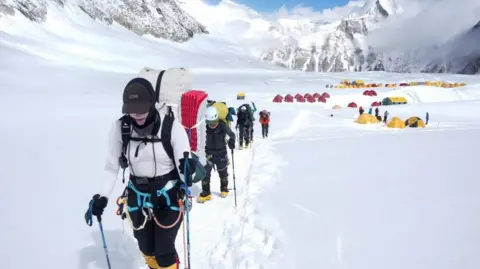
A 100-foot wall of unstable ice held up Everest’s spring route for nearly two weeks, piling pressure onto a summit season already crowded with nearly 1,000 climbers and support staff. At Everest Base Camp, hundreds waited while Sherpa icefall doctors delayed fixing ropes and ladders through the Khumbu Icefall, the mountain’s most dangerous section.
Nepal’s Department of Tourism had issued 410 Everest permits at $15,000 each by late April, close to the record 479 permits issued in 2023. Officials also said more than 900 climbing permits had been granted this season for various Himalayan peaks, a sign of the broader mountaineering boom that continues to bring money and jobs to Nepal even as it intensifies pressure on the mountain’s fragile route network.
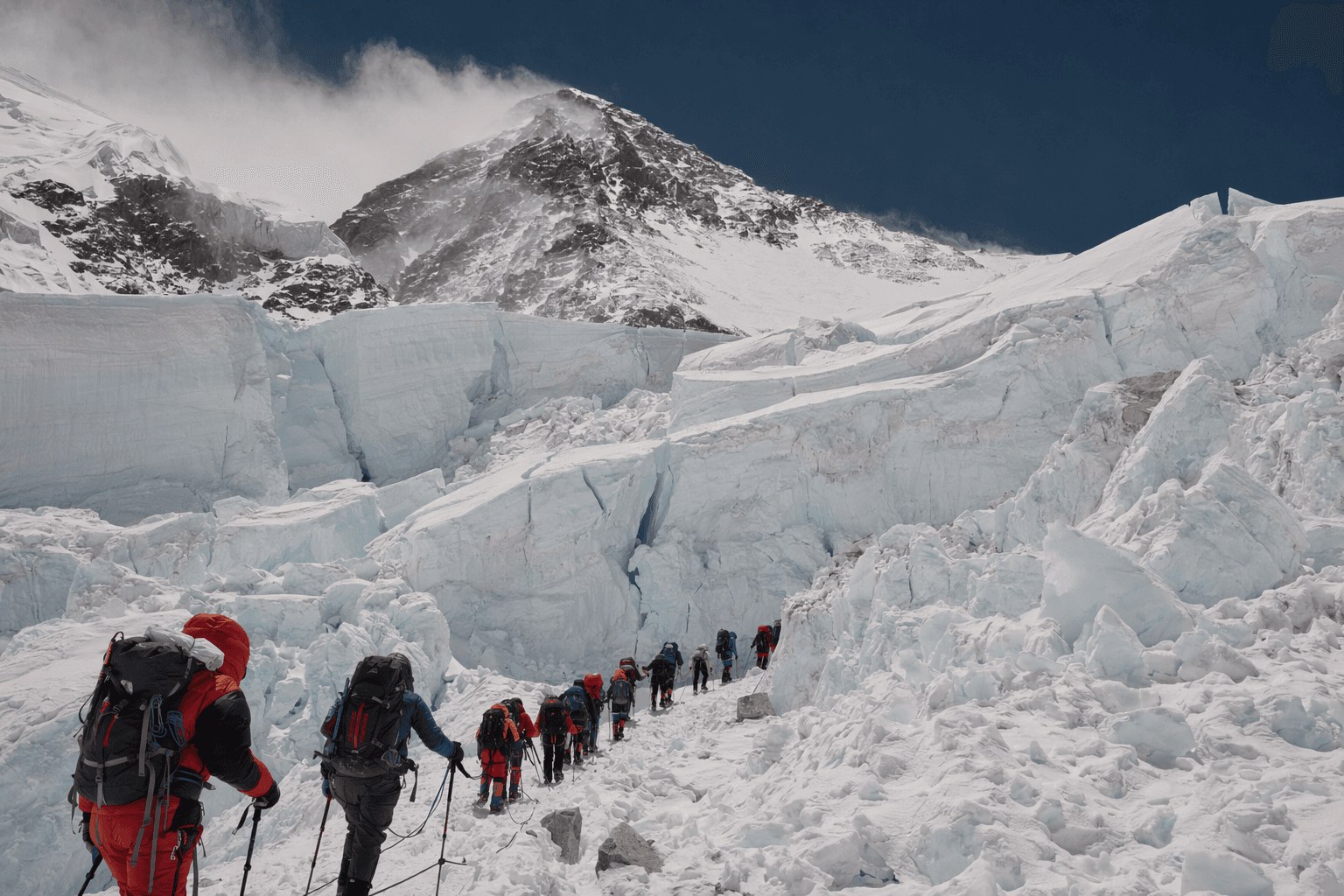
The delay mattered because Everest’s spring climbing season normally runs from April to May, and the route through the Khumbu Icefall usually opens by the third week of April. This year, the serac, a block of glacial ice above the path to Camp I, blocked the line and forced expedition teams into a waiting game. Himal Gautam of Nepal’s tourism department said the ice wall was natural and could not be moved, while expedition leaders said they could do little except wait for the serac to melt or collapse.
The risk was not abstract. Garrett Madison said expeditions were being delayed by the impasse, Mingma Sherpa said acclimatisation rotations and gear ferrying were pushed back, and Rishi Bhandari warned that any vibration or shift could trigger an avalanche. The Khumbu Icefall is typically crossed in darkness, between about 3 a.m. and 5 a.m., when colder temperatures make the ice somewhat more stable, but that narrow window does not remove the danger.

Nepali guides finally opened the route to Camp 1 on April 28, 2026, with a team that included eight icefall doctors, but the serac remained in place. The hazard has a grim history: the April 18, 2014 avalanche killed 16 Sherpa guides and shut down that season, three Nepali guides died in 2023 when a falling block of ice swept them into a crevasse, and a serac disruption also blocked autumn summits in 2019.
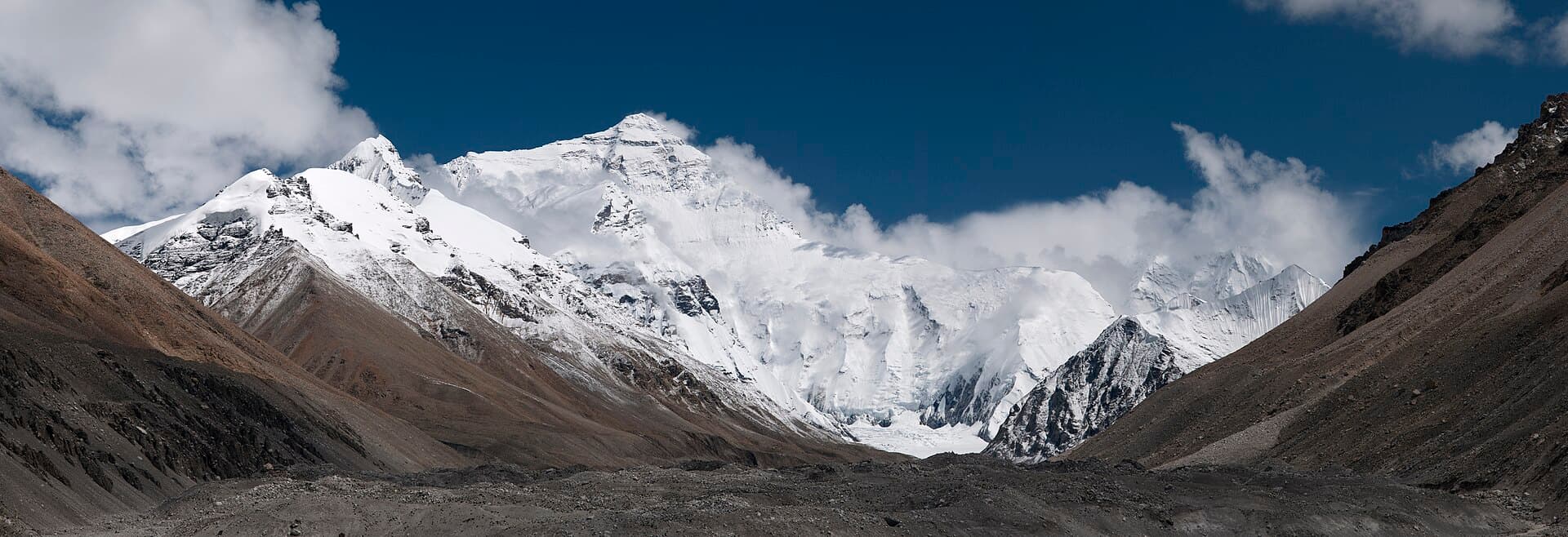
Everest’s commercial pull has only grown since Edmund Hillary and Tenzing Norgay Sherpa’s 1953 first ascent, but the latest blockage sharpened a familiar question on the south side of the mountain: how many climbers can be pushed through an increasingly fragile route before traffic itself becomes part of the danger.
This article was produced by Prism’s automated news system from verified source data, official records, and press releases, then run through automated quality and moderation checks before publishing. The system is built and supervised by the people who set the standards it runs under. Read our full AI policy.
Did this article answer your question?