Delhi approves new EV policy with tax breaks and purchase incentives
Delhi cleared tax waivers and purchase incentives for EVs, but the real test is whether two-wheelers, three-wheelers and fleets can cut winter pollution before 2030.

The Delhi Cabinet approved a new electric-vehicle policy on June 29, pairing a 100% exemption on road tax and registration fees for electric cars priced at 30 lakh or less with direct purchase incentives for two-wheelers, three-wheelers and light commercial vehicles. Chief Minister Rekha Gupta put the government’s four-year spending at about 15,000 crore. The policy takes effect on July 1.
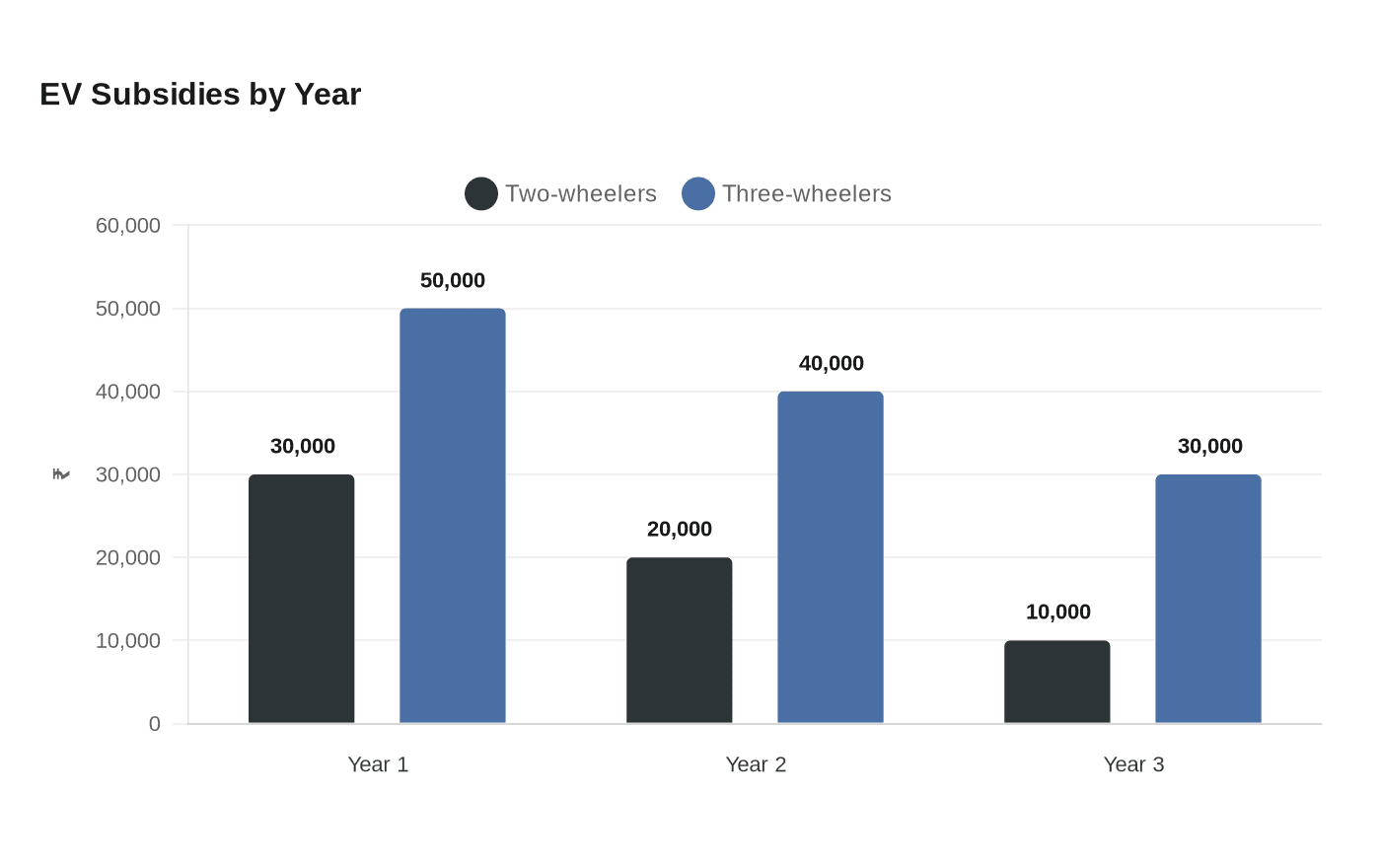
Electric two-wheelers will receive subsidies of 30,000 in the first year, 20,000 in the second and 10,000 in the third, while electric three-wheelers will get 50,000, 40,000 and 30,000 over the same period. Buyers of N1-category electric trucks can receive up to 1 lakh in purchase support, and owners of BS-IV or older four-wheelers can get a 1 lakh scrappage incentive if they replace their cars with electric vehicles. The draft policy placed the overall outlay at 3,954.25 crore, including 1,718 crore for scrappage-related incentives and 1,000 crore for charging infrastructure.
It requires gradual electrification of school bus fleets, with 10% electric by the end of the second year, 20% by the third year and 30% by March 2030. Government-hired or leased vehicles are to be electric unless exempted, and the plan asks original equipment manufacturers to ensure adequate supply and stable pricing across EV segments. Only electric three-wheelers will be registered from January 1, 2027, and only electric two-wheelers from April 1, 2028.
Its draft, uploaded on April 11 and opened for 30 days of public feedback, cited Article 21, the Supreme Court’s M.C. Mehta case, the Environment Protection Act, 1986, and the Motor Vehicles Act, 1988. Vehicular emissions account for 23% of Delhi’s winter pollution and two-wheelers make up about 67% of the city’s vehicle stock.
World Resources Institute data put Delhi at nearly 14% EV adoption by 2025, above the national average of 8%, and the old regime was extended until March 31, 2026 after it lapsed in August 2023. Industry bodies including FADA and SIAM have urged the government to phase restrictions in carefully, warning that a hard transition could distort buying patterns and push some consumers to register vehicles outside Delhi.
This article was produced by Prism’s automated news system from verified source data, official records, and press releases, then run through automated quality and moderation checks before publishing. The system is built and supervised by the people who set the standards it runs under. Read our full AI policy.
Did this article answer your question?

