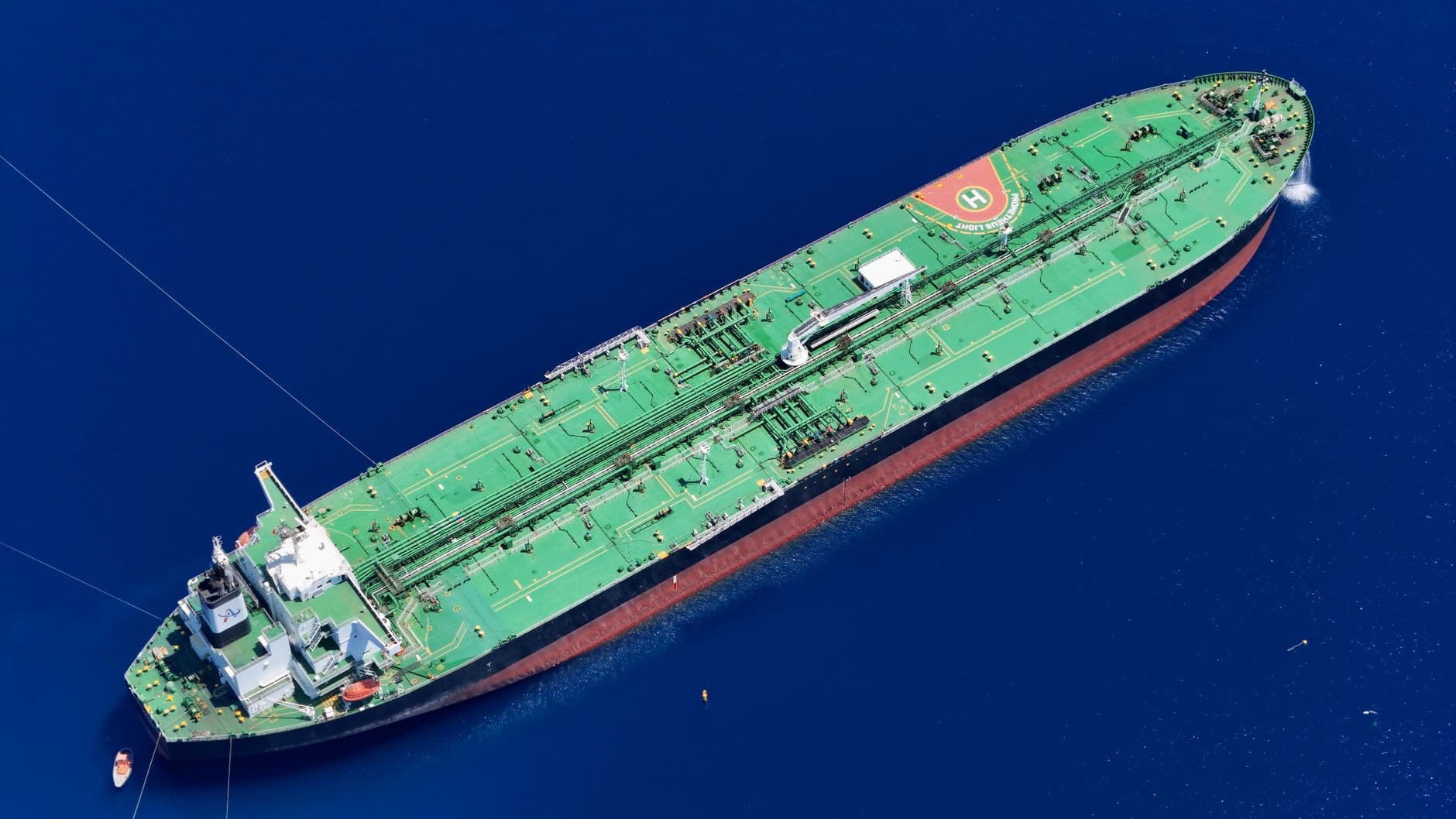
Deme makes late push for Argentina's $10 billion Paraná dredging contract
Deme’s late bid threatened a $10 billion river contract that carries about 80% of Argentina’s exports.

Deme Group, backed by U.S.-based investment firm KKR, made a late push on June 12 to win one of Argentina’s most important infrastructure contracts by filing a new proposal to dredge the Paraná River. The move came after Argentina’s Economy Ministry had recommended on June 4 that a 25-year concession go to Belgian dredging company Jan De Nul and local partner Servimagnus.
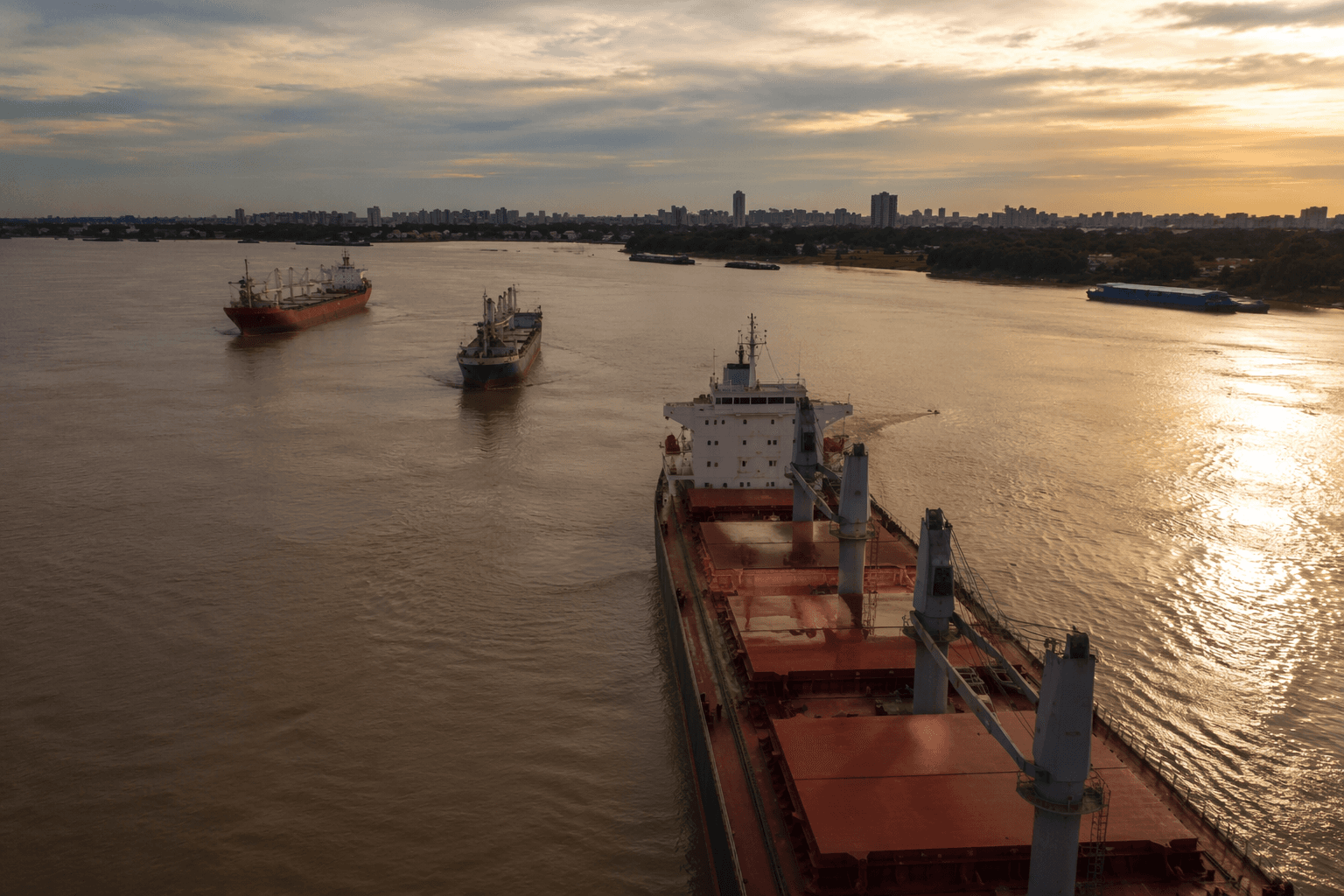
The fight is about far more than dredging. The Paraná-Paraguay waterway carries around 80% of Argentina’s exports, making control of its depth, fees and operations a direct lever over grain shipments, freight costs, foreign investment and the country’s broader trade position. Officials have put the project at about $10 billion in investment, which helps explain why the contest has drawn intense scrutiny.
Deme used Argentina’s private initiative mechanism, a legal route that allows companies to submit public-works plans that can trigger a bid process. In its filing, Deme said it was offering significantly lower tariffs than the rival arrangement, a pitch aimed squarely at exporters and traders who depend on the river to move cargo from the interior to global markets. Even with Jan De Nul already recommended, the new submission created a path for the government’s original decision to be challenged or altered.
Jan De Nul has dredged the Paraná shipping lane since the 1990s, giving it deep operational experience on the waterway and a longstanding commercial stake in keeping the contract. But the tender has also been marked by controversy. Jan De Nul and Servimagnus rejected earlier accusations about links to Chinese capital, calling those claims “absolutely false and malicious.”
The recommendation is still not the end of the process. Reporting indicated a formal seven-day period for challenges could follow the award step, leaving room for procedural conflict even after the ministry’s decision. For Argentina, the outcome will determine who controls a strategic river corridor that functions as an economic artery, and it could shape regional trade logistics for a generation.
This article was produced by Prism’s automated news system from verified source data, official records, and press releases, then run through automated quality and moderation checks before publishing. The system is built and supervised by the people who set the standards it runs under. Read our full AI policy.
Know something we missed? Have a correction or additional information?
Submit a Tip