Democratic group expands voter contact push to 60 battleground races
A Democratic field push is aiming for 500,000 voter conversations in more than 60 races, betting door-knocking can still swing a fractured map.

A Democratic grassroots organization has set an unusually large target for the 2026 midterm cycle: at least 500,000 substantive conversations with voters across the battleground map, while expanding its target list to more than 60 contested congressional and state races. The effort lands in a cycle that will decide control of Congress, with all 435 U.S. House seats and roughly one-third of the Senate on the ballot, alongside governor and state legislative contests in dozens of states.
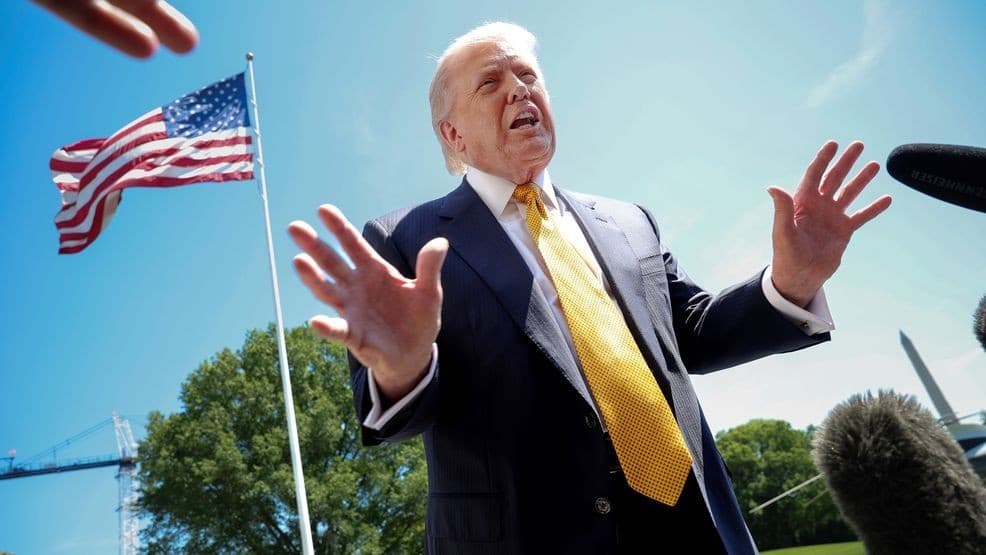
The calendar is already tightening. Primary contests began in early March and will run through the summer before the Nov. 3 general election, forcing campaigns to define their ground games before the fall sprint even begins. That matters in a year when the presidency is not on the ballot, but President Donald Trump’s second term still hangs over the political map and helps shape how both parties budget time, money and volunteers.
The terrain is also shifting under the campaigns. The Supreme Court recently struck down a component of the Voting Rights Act that had protected minority representation in Congress, opening the door to more redistricting that could favor Republicans. Ohio has already unveiled a new congressional map this year, and several Ohio races are emerging as fall battlegrounds. In a state like Ohio, where boundary lines and candidate fields are still settling, an aggressive canvassing program can become as much about defining the race early as persuading voters late.
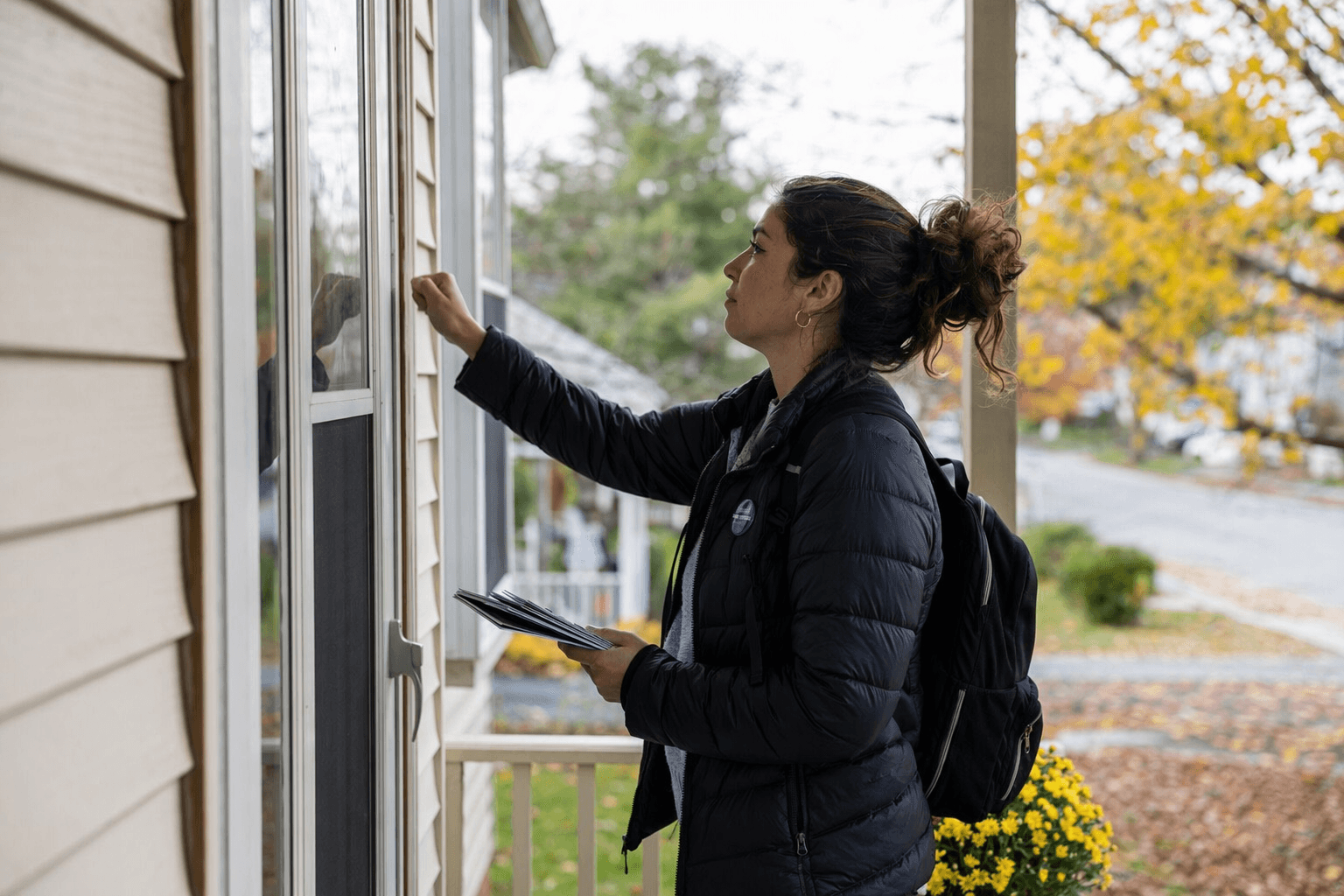
That is the logic behind the push for 500,000 conversations. It reflects a traditional theory of politics: in closely divided districts, direct contact can still move turnout and, in some places, persuade voters who are only loosely attached to either party. The strategy is less dependent on broad paid-media saturation than on repeated, personal contact in districts where a few thousand votes can determine a congressional seat or a statewide outcome.
Democrats have some recent evidence to point to. In 2025, the party won the governorships in Virginia and New Jersey, showing it could still prevail in high-stakes off-year contests. But those victories also underscore where field organizing works best: in competitive races with clear stakes, familiar candidates and enough undecided or movable voters to reward sustained on-the-ground contact.
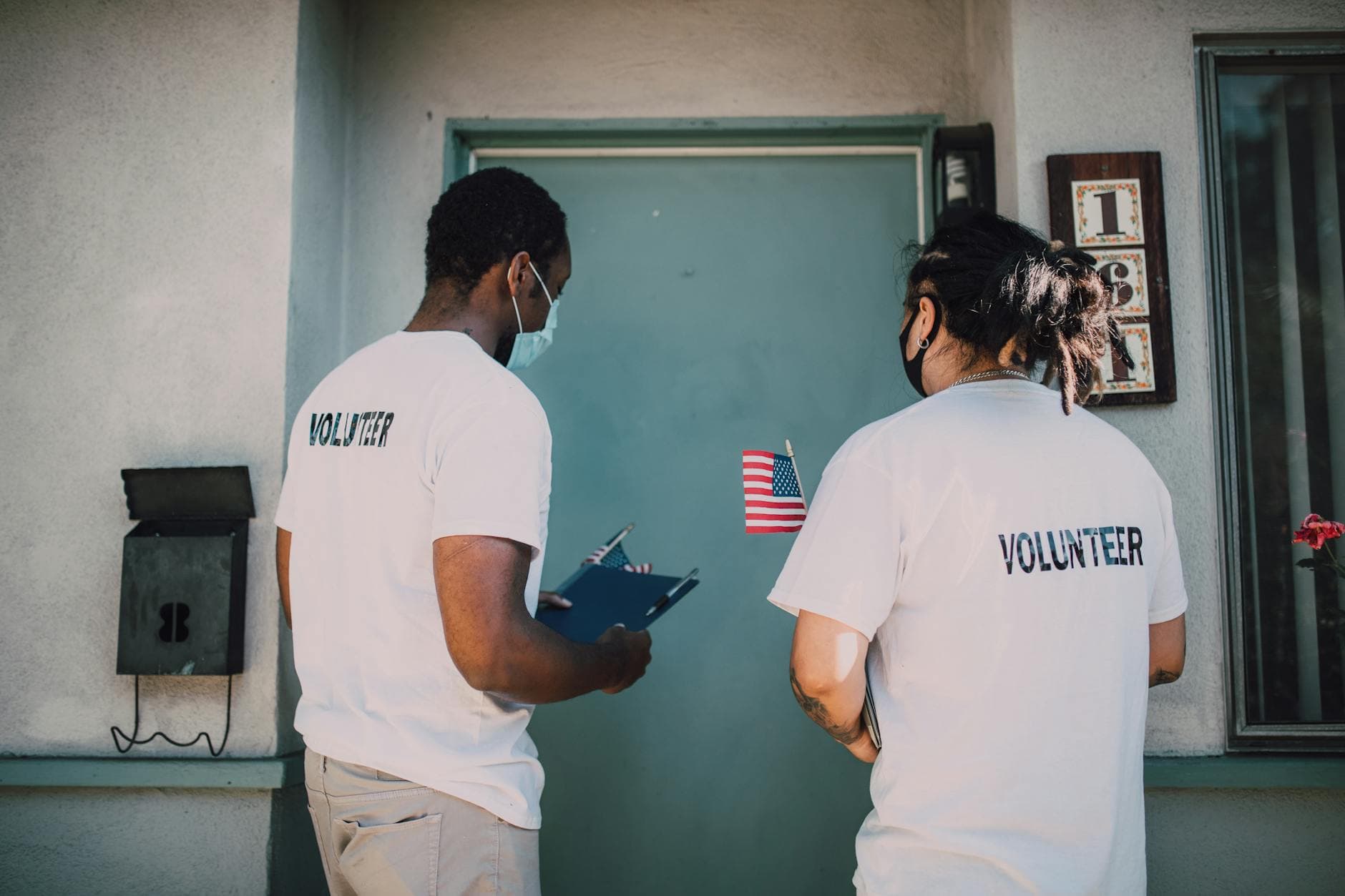
The broader Democratic-aligned organizing world is leaning into that same bet. The Working Families Party says it is building a multiracial party of working people state by state and community by community, a reminder that the fight for the 2026 map is being waged race by race, district by district, long before the final advertising blitz begins.
This article was produced by Prism’s automated news system from verified source data, official records, and press releases, then run through automated quality and moderation checks before publishing. The system is built and supervised by the people who set the standards it runs under. Read our full AI policy.
Know something we missed? Have a correction or additional information?
Submit a Tip