Democrats expand House target map to 12 Trump-won districts
House Democrats added 12 Trump-won seats to their 2026 target list, including Lauren Boebert’s Colorado seat and Richard Hudson’s North Carolina district.
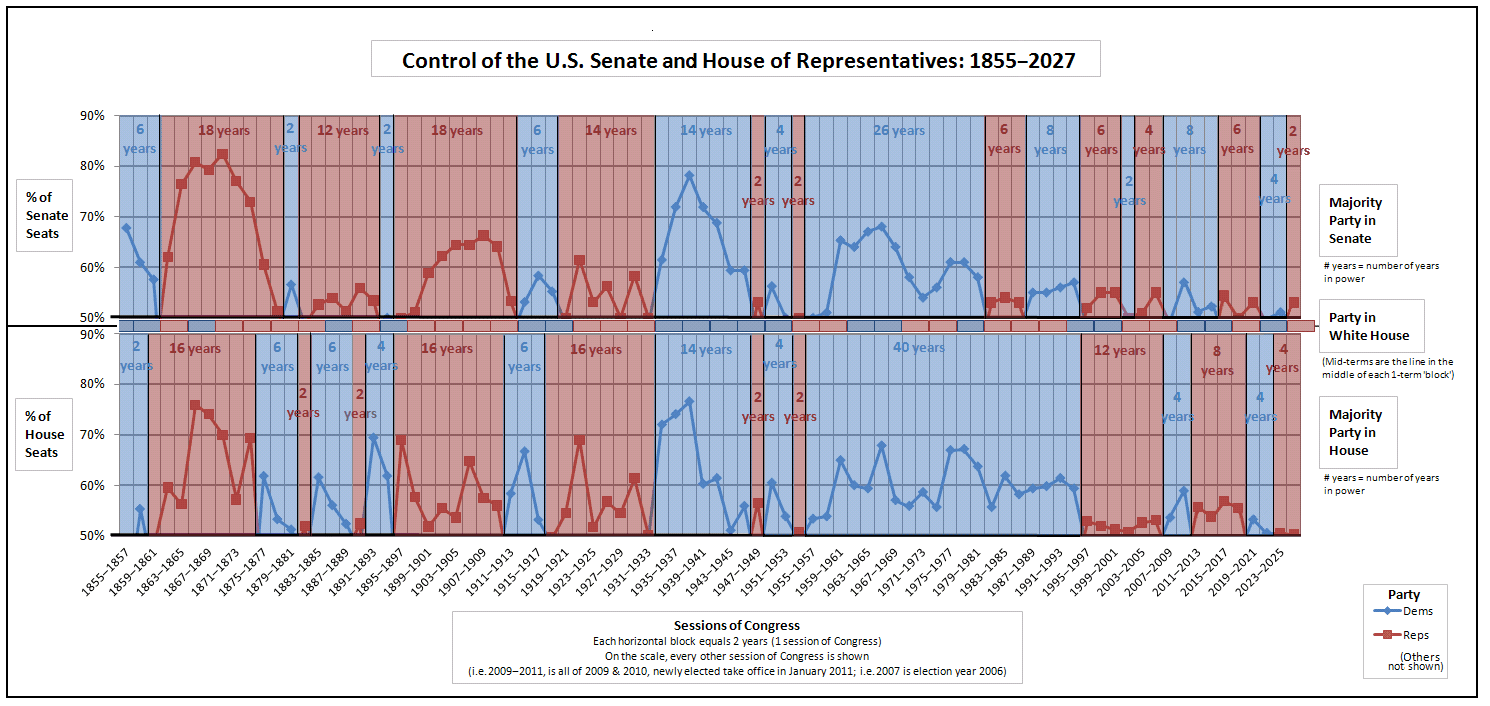
House Democrats added 12 Republican-held seats to their 2026 target list, including districts carried easily by Donald Trump and the seats held by Lauren Boebert and Richard Hudson. The Democratic Congressional Campaign Committee said the new entries went onto its “Districts in Play” list, widening the battlefield beyond the races most obviously in reach.
The expansion included Boebert’s Colorado seat and Hudson’s North Carolina district, a notable addition because Hudson chairs the National Republican Congressional Committee. AP and syndicated versions of the story said the newly added seats were districts Trump won easily in 2024, underscoring how far Democrats were willing to reach as they try to rebuild a House majority.
The move came as Democrats faced a chamber still tilted only slightly toward Republicans. Inside Elections’ 2026 House ratings page said Republicans held a 220-215 majority and Democrats needed a net gain of 3 seats to take control. That narrow margin left little room for error and made every addition to the target map more than a symbolic gesture. The broader 2026 campaign will decide control of both chambers of Congress, along with dozens of state and local offices, adding pressure to a cycle already shaped by a closely divided House.
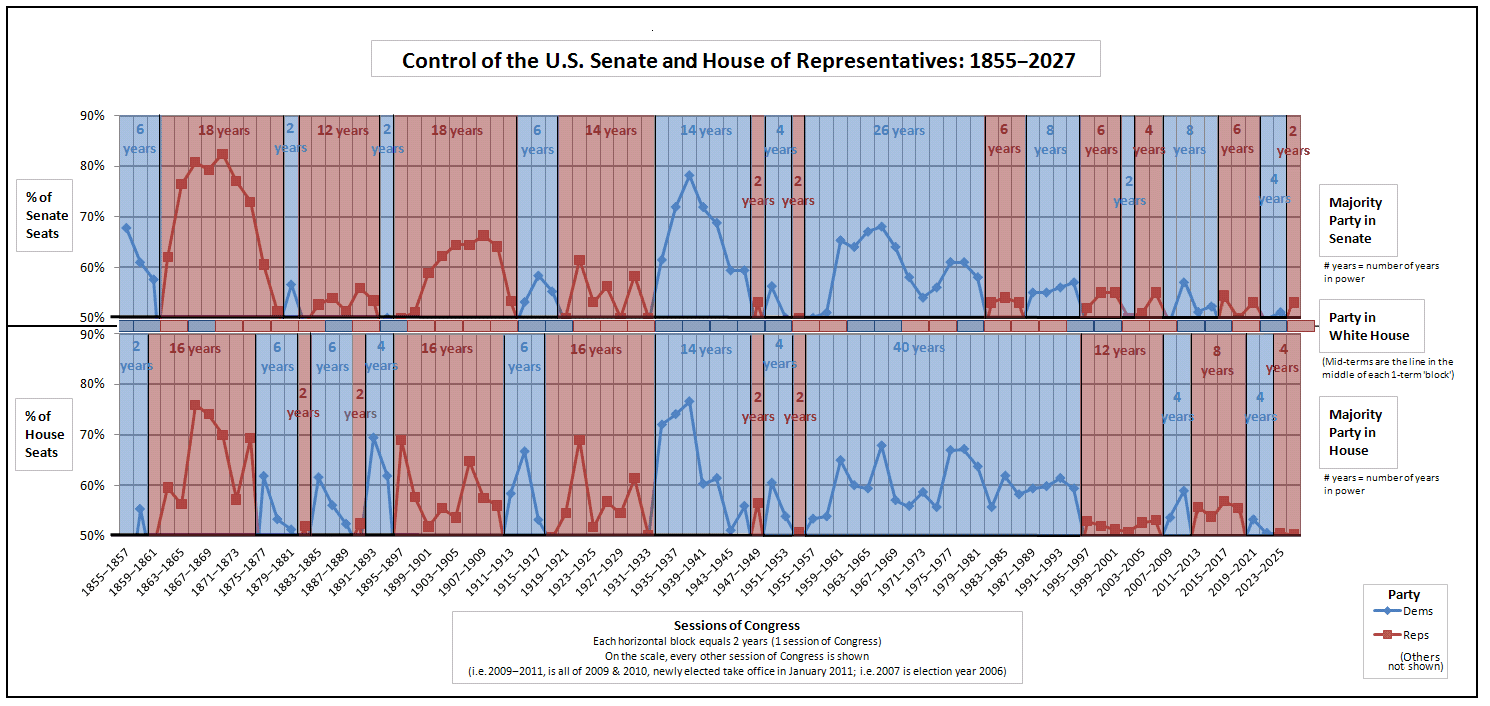
Redistricting added another layer of uncertainty. AP’s election coverage said redistricting was rampant ahead of the 2026 U.S. House midterm elections, a reminder that the lines Democrats and Republicans are fighting over could keep shifting before voters even cast ballots. That makes candidate recruitment and local infrastructure as important as national messaging, especially in districts that lean Republican but have enough crossover voters to become competitive if the political climate turns.
Democrats are betting that several forces can move those seats into play: voter dissatisfaction, fundraising, candidate quality and local organizing. The party is also trying to turn issues such as the economy, health care, tariffs, immigration and cuts to federal programs into liabilities for Republicans in places that backed Trump but still contain persuadable voters. The expansion of the target list suggests Democrats are aiming beyond the minimum path to 218 seats and testing whether Trump’s 2024 strength can be diluted in down-ballot races when the House map is redrawn by local realities, candidate strength and midterm backlash.
This article was produced by Prism’s automated news system from verified source data, official records, and press releases, then run through automated quality and moderation checks before publishing. The system is built and supervised by the people who set the standards it runs under. Read our full AI policy.
Did this article answer your question?