Democrats urge FAA review of reduced flight attendants on long-haul flights
Democrats warned that fewer flight attendants on widebody jets could clash with the FAA’s 90-second evacuation test, especially when one crew member may cover two exits.
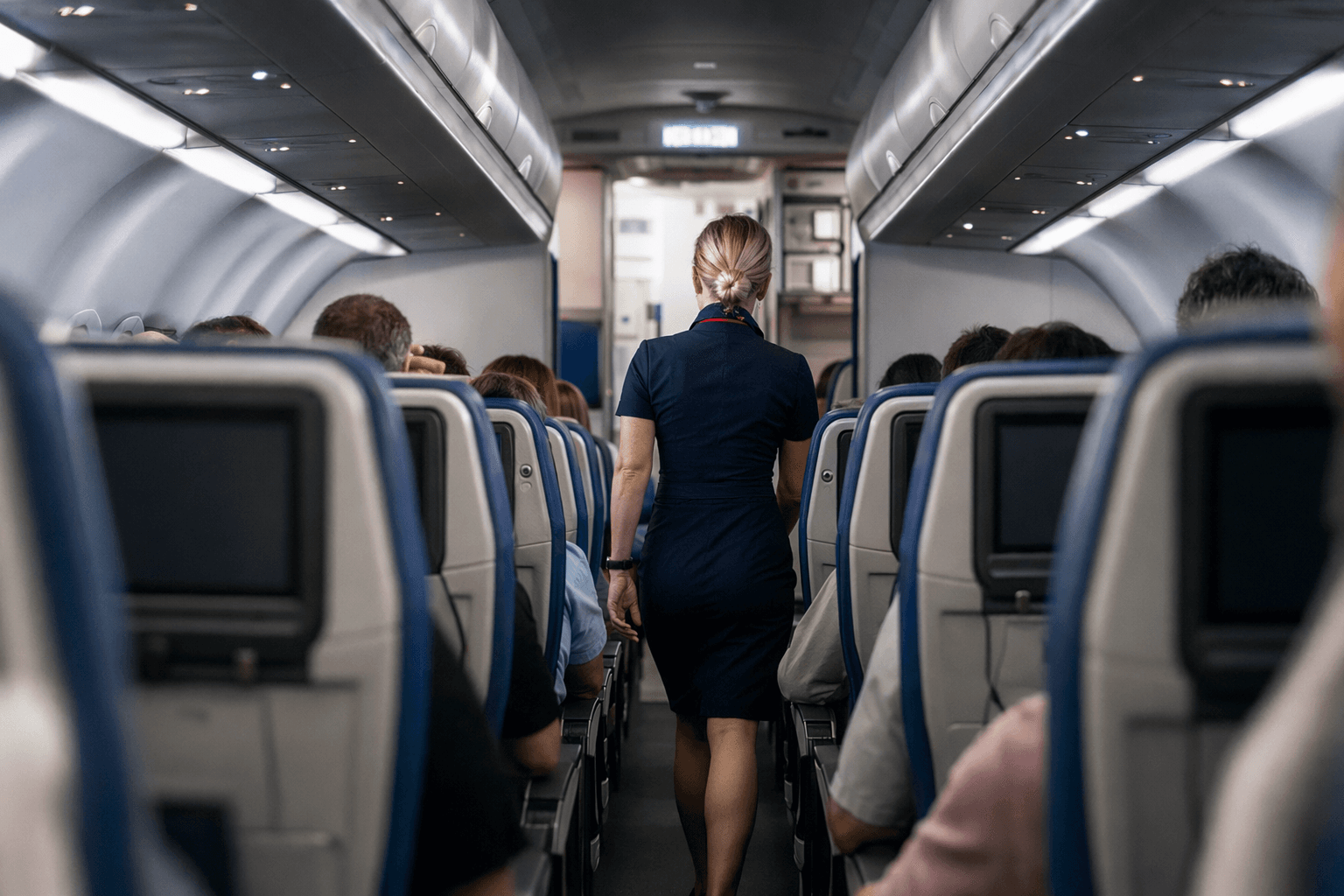
The FAA’s 90-second evacuation rule was written for maximum seating capacity, but two Democratic senators said that standard looks far less reassuring when a long-haul jet has more exits than flight attendants. Tammy Duckworth of Illinois and Tammy Baldwin of Wisconsin asked the agency to study whether reduced cabin crews can still handle evacuations, medical emergencies and the chaos of a full flight with carry-on bags, children, older passengers and travelers with disabilities.
In a letter sent to FAA Administrator Bryan Bedford on May 15, 2026, the senators also pressed for a status update on the EVAC Act, which was folded into the FAA Reauthorization Act of 2024 and was supposed to push emergency evacuation standards closer to real-world conditions. President Biden signed that broader aviation law on May 16, 2024, and the EVAC Act report was due by May 16, 2025. The senators said the work remains unfinished nearly a year after the deadline.
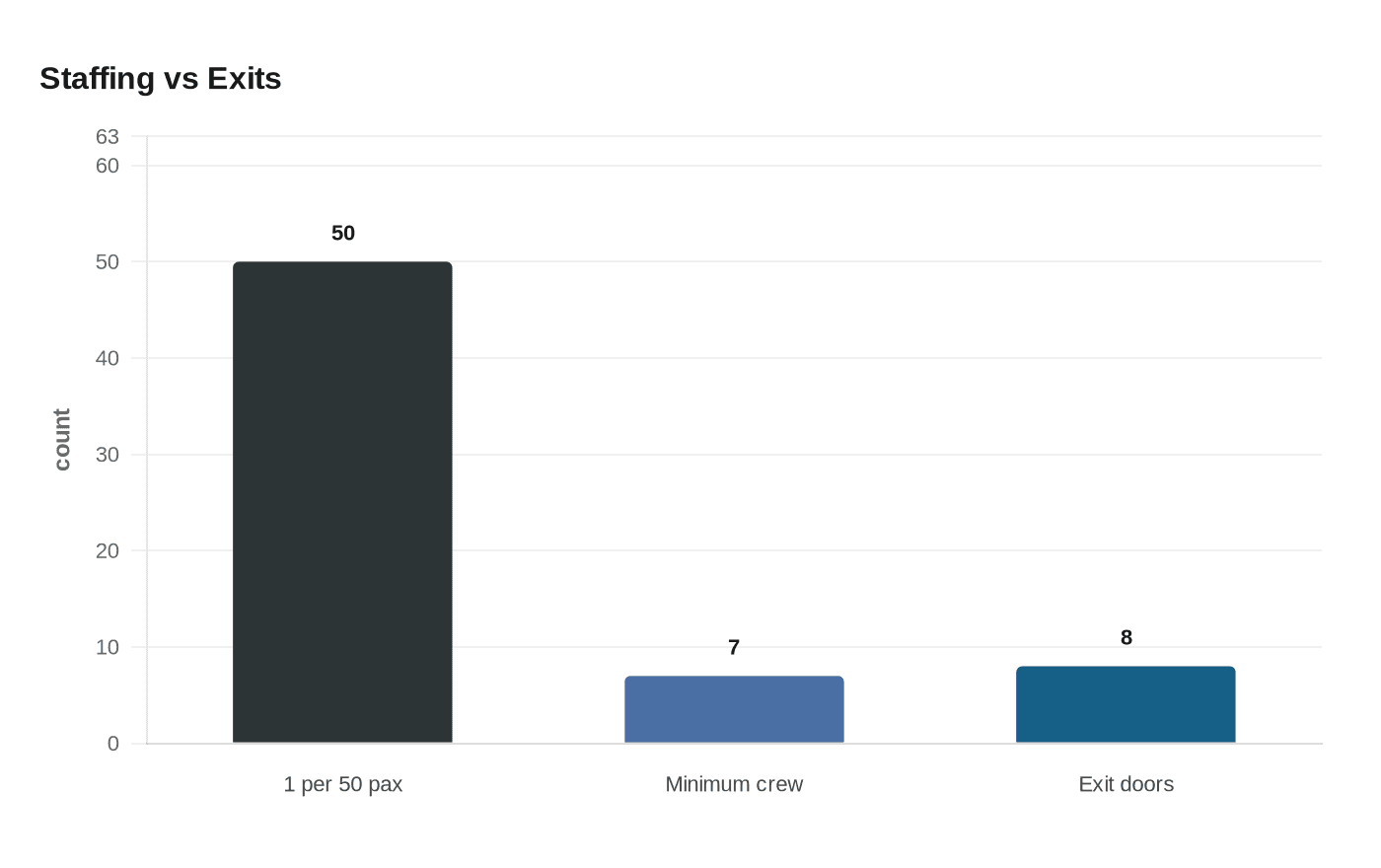
Their warning comes as the FAA has approved reduced minimum staffing on some aircraft for American Airlines, Delta Air Lines and United Airlines under rules that require one flight attendant for every 50 passengers. Duckworth and Baldwin said those approvals may satisfy the current regulations on paper, but they cut against the long-standing expectation that a dual-aisle aircraft carries one flight attendant for each floor-level exit. On a widebody jet, that gap matters if a crew member is incapacitated or forced to leave a post during an emergency.
The American Airlines case drew the sharpest attention. The FAA certified the carrier’s new 787-9P seating layout with a minimum of seven flight attendants, even though the aircraft has eight exit doors. American said it still typically staffs those flights with eight to 10 flight attendants depending on distance, but the lower federal minimum gives the airline room to operate if a crew member becomes unavailable because of illness or another problem midtrip. On June 25, 2025, the FAA said it had observed American complete evacuation demonstrations successfully with seven flight attendants on the 787-9P.
The senators said that is exactly the kind of scenario regulators need to examine more closely. On a dual-aisle aircraft, they argued, one flight attendant could be left responsible for two exits while hundreds of passengers try to move quickly through a cabin that is already under pressure. The Association of Professional Flight Attendants has raised similar concerns, saying the reduced-staffing approvals follow comparable decisions at Delta and United.
The FAA has not given a detailed public response to the senators’ request, but said it would respond directly to them. For now, the question is whether the agency has hard evidence that fewer crew members can still meet the emergency demands that the 90-second rule was meant to test.
This article was produced by Prism’s automated news system from verified source data, official records, and press releases, then run through automated quality and moderation checks before publishing. The system is built and supervised by the people who set the standards it runs under. Read our full AI policy.
Did this article answer your question?

