Demolished Camp B Remains Highlight Quitman County’s Ties to Parchman
Demolished Camp B buildings near Lambert have left visible remnants that underline Quitman County’s long economic and social ties to the Mississippi State Penitentiary (Parchman).
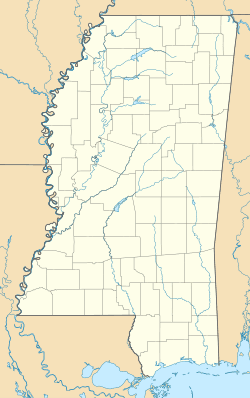
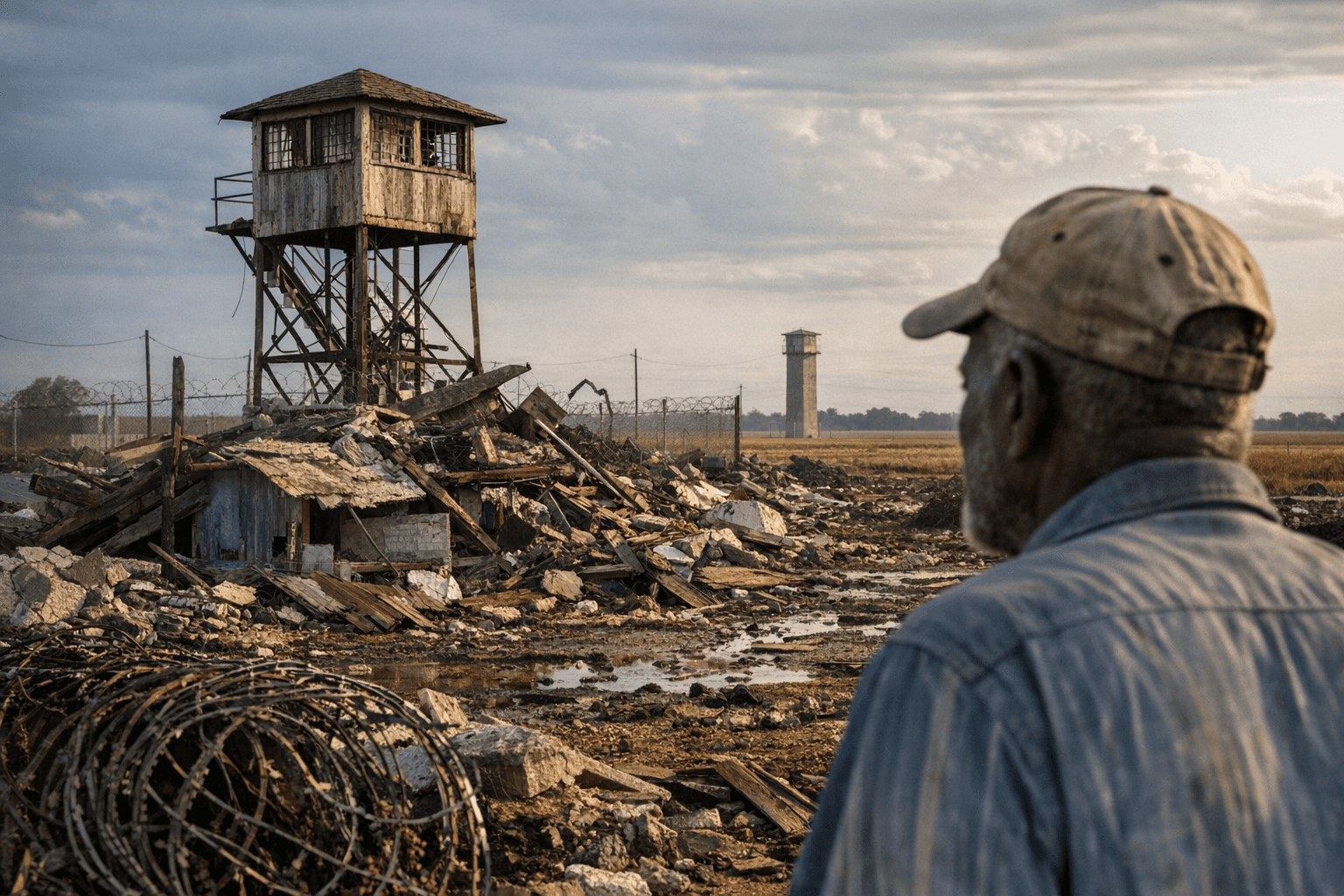
The gutted foundations and cleared lots where Camp B once stood are more than shuttered buildings; they are tangible evidence of Quitman County’s deep material connection to the Mississippi State Penitentiary, commonly called Parchman. Residents who travel county roads or recall work crews in the Delta will recognize how the prison’s satellite farm system reached into communities here for decades.
Camp B originated from state penal farm acquisitions in the early 20th century, including land known as the O'Keefe Plantation or Lambert Farm area. By the mid-20th century Camp B had been identified as one of the larger African-American housing units within Parchman’s camp system. Over time the Mississippi Department of Corrections reconfigured facilities across the Parchman complex, and Camp B’s buildings were demolished. What remains on the Quitman County landscape now are traces: disturbed soil, foundation outlines, and the memories of those who worked nearby or whose families were affected by the camp’s operations.
The broader Parchman history helps explain why the loss of structures matters locally. State land purchases, the camp-based organization of inmates, and the evolution of inmate labor transformed land use across the Delta. Work crews from satellite units performed road maintenance, agricultural labor, and other community-facing tasks that linked state corrections to local economies. Those arrangements shaped employment patterns, routes of travel, and how parcels of land around Lambert were managed and valued.
For Quitman County this legacy is both economic and social. The presence of Camp B and other satellite units brought jobs tied to state corrections, supplied labor for municipal and county projects, and contributed to a penal geography that scholars and community historians reference when tracing racial and labor dynamics in the Delta. The designation of Camp B as an African-American housing unit within the Parchman camp system is a critical element in local memory and in academic accounts that examine segregation, forced labor, and the reorganization of rural economies in the 20th century.
Remnants of Camp B also carry cultural weight. Families with long histories in the Lambert area recount encounters with work crews and with the patchwork of state-owned land holdings. Researchers and cultural institutions studying the Delta’s penal-farm system continue to point to satellite camps like Camp B when mapping the social impact of Parchman’s reach beyond Sunflower County.
Looking ahead, the cleared site of Camp B raises practical and civic questions for Quitman County about land use, commemoration, and how the community frames a complicated past. For residents, the demolished buildings are a prompt to preserve oral histories, to consider how county projects engage with former penal lands, and to reckon with a legacy that tied local livelihoods to state corrections.
Sources:
Know something we missed? Have a correction or additional information?
Submit a Tip