Department pulls back from taxpayer payments for politically persecuted claims
A $1.8 billion payout fund for political-persecution claims was shelved after judges and Republicans forced a retreat.

The Justice Department pulled the plug on a $1.8 billion compensation fund that could have sent taxpayer money to Trump allies, a sharp retreat after a judge froze the program and Republican senators warned it could blow up the president’s agenda. Acting Attorney General Todd Blanche told a House appropriations hearing, “We are not moving forward with the fund, period,” and then answered “Correct” when asked if that meant the plan was dead for good.
The reversal ended a program announced two weeks earlier as part of the settlement of Donald Trump’s $10 billion lawsuit over the leak of his tax returns. The Justice Department said the fund would have been financed through the judgment fund and used to hear claims from people who said the federal government had been weaponized against them, with no formal partisan limit on eligibility.
The first people associated with the money were not anonymous applicants but familiar figures from Trump’s political orbit. Michael Caputo, Roger Stone, Mike Lindell, George Santos and others were publicly identified as would-be claimants, alongside Jan. 6 rioters and people convicted or charged in connection with the Capitol attack. That made the program politically combustible from the start, especially as critics argued it could become a taxpayer-financed payout system for allies of the president.
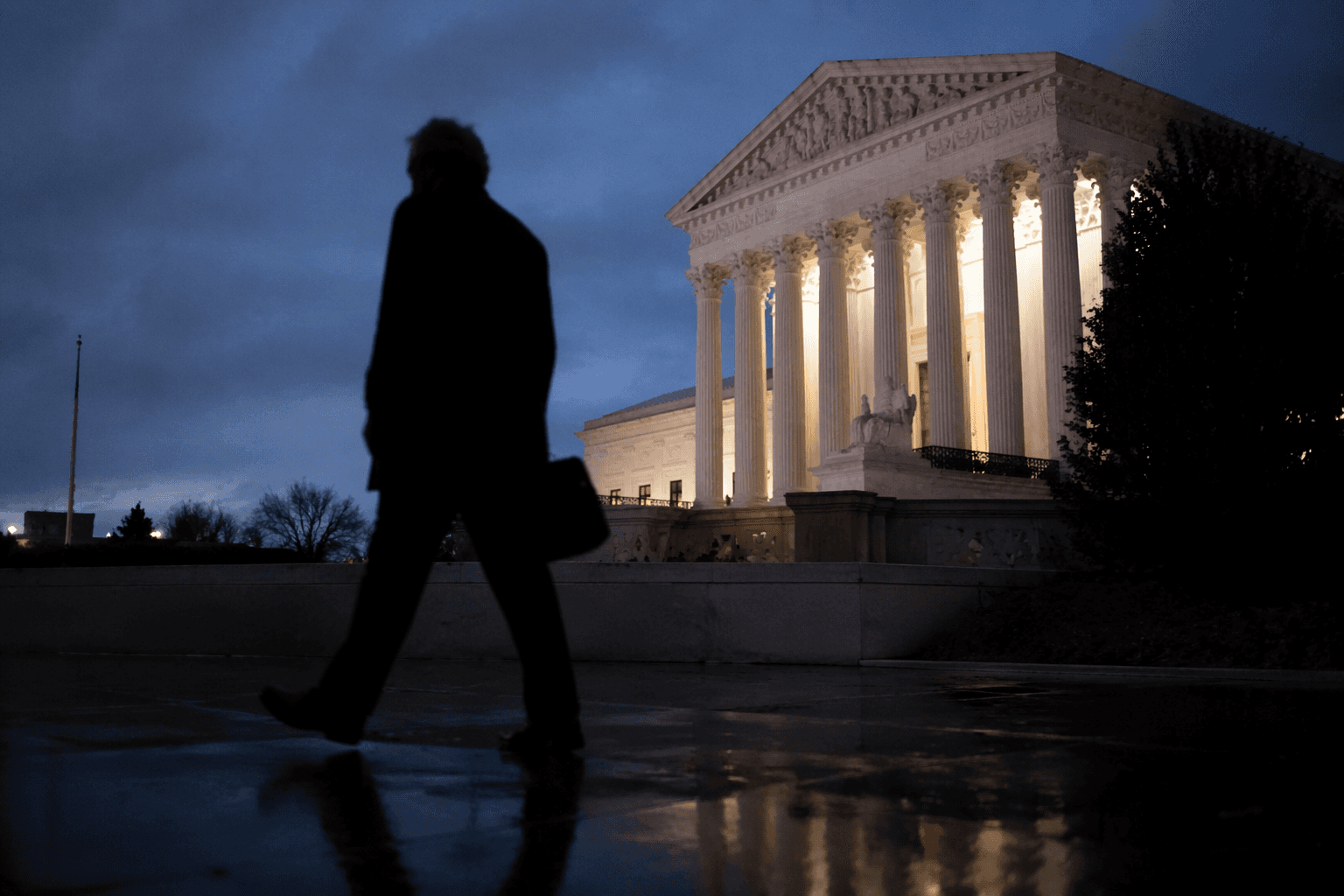
The legal blow came first. U.S. District Judge Leonie Brinkema temporarily barred the department from taking any further action while she considered a lawsuit brought by a former federal prosecutor and other plaintiffs, ordering the government to avoid any disbursement that could not be clawed back. The political blow followed quickly, as Senate Republicans balked at moving a Homeland Security funding bill until the White House imposed limits or scrapped the idea outright.
For the administration, abandoning the fund signaled that federal compensation for alleged government wrongdoing would face far tighter scrutiny than the White House initially expected. The retreat also underscored how quickly a legally novel compensation scheme can collide with basic questions of oversight, fiscal restraint and whether public money should be used to reward politically charged claims of persecution.
This article was produced by Prism’s automated news system from verified source data, official records, and press releases, then run through automated quality and moderation checks before publishing. The system is built and supervised by the people who set the standards it runs under. Read our full AI policy.
Know something we missed? Have a correction or additional information?
Submit a Tip