Deportees from US arrive in DR Congo under Trump-era deal
Fifteen migrants were flown from the US to Kinshasa, some without knowing Congo was their destination until hours before takeoff.

Fifteen migrants and asylum seekers from Colombia, Peru and Ecuador landed in Kinshasa after a US deportation flight, becoming the first group sent to the Democratic Republic of Congo under a Trump-era third-country arrangement that left them in a country they had never seen.
Among them was Jorge Cubillos, a Colombian who said he had lived in the United States for eight years after fleeing threats in Colombia. He said he had a work permit and protection from deportation under Article 3 of the United Nations Convention Against Torture, yet he was flown about 10,700 kilometers, or 6,700 miles, from Florida to Kinshasa, far from his wife and four children. Carlos Rodelo said he learned his final destination only hours before the flight and did not even know where the Congo was. Some of the deportees told BBC Mundo their asylum applications were still pending, while US authorities said they had been removed because they were in the country illegally.
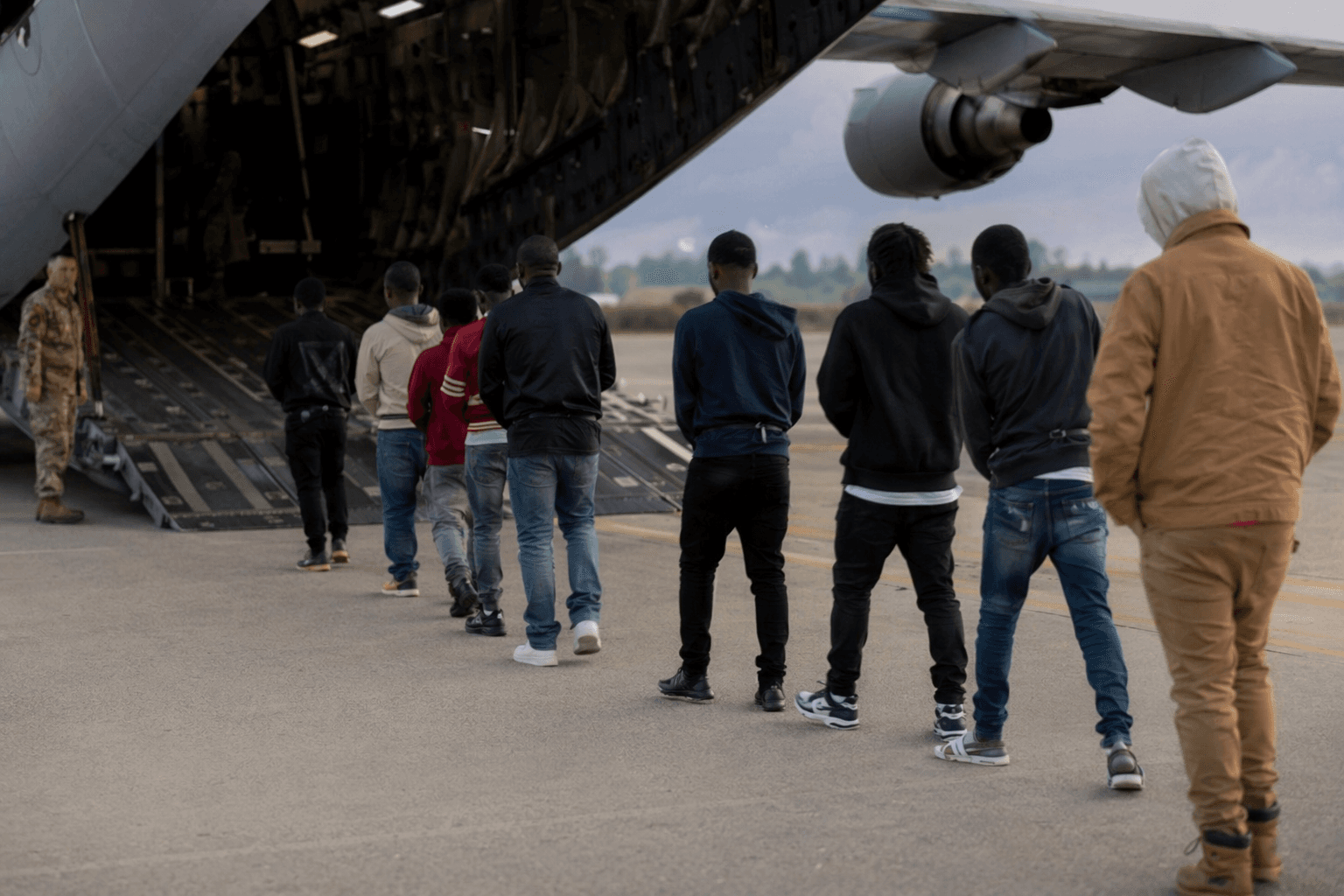
The human cost of the policy has been compounded by the conditions on arrival. Reports said Congolese authorities gave the deportees one-week or three-month visas and housed them in Kinshasa hotels, including Venus Village on the outskirts of the capital, with movement supervised and limited. The International Organization for Migration was involved in their care and in laying out options that included voluntary return or staying in Congo, a choice made harder by the fact that the deportees said they did not speak French and had little understanding of the country where they were being asked to rebuild their lives.
The arrangement is part of a broader Trump-era practice of sending some deportees to African countries rather than directly to their home nations, a policy that has also involved Ghana, Cameroon, Equatorial Guinea, South Sudan and Eswatini. Kinshasa said on April 5 that it would begin receiving deportees this month, describing the deal as temporary and fully financed by Washington. The US Congress has estimated that up to $40 million has been spent on such agreements.
Legal questions shadow the program. A US federal court later ordered authorities to bring back one woman sent to Congo, saying her deportation was likely illegal. That challenge lands against the backdrop of the Democratic Republic of Congo’s own crisis, with 6.9 million people internally displaced as fighting continues in the east and humanitarian need stretches far beyond Kinshasa.
This article was produced by Prism’s automated news system from verified source data, official records, and press releases, then run through automated quality and moderation checks before publishing. The system is built and supervised by the people who set the standards it runs under. Read our full AI policy.
Did this article answer your question?

