Developing mouse brains use controlled DNA breaks to guide neurons
Mouse neurons were seen cutting and repairing their DNA as they squeezed through brain tissue, a controlled process that may help build the cortex.
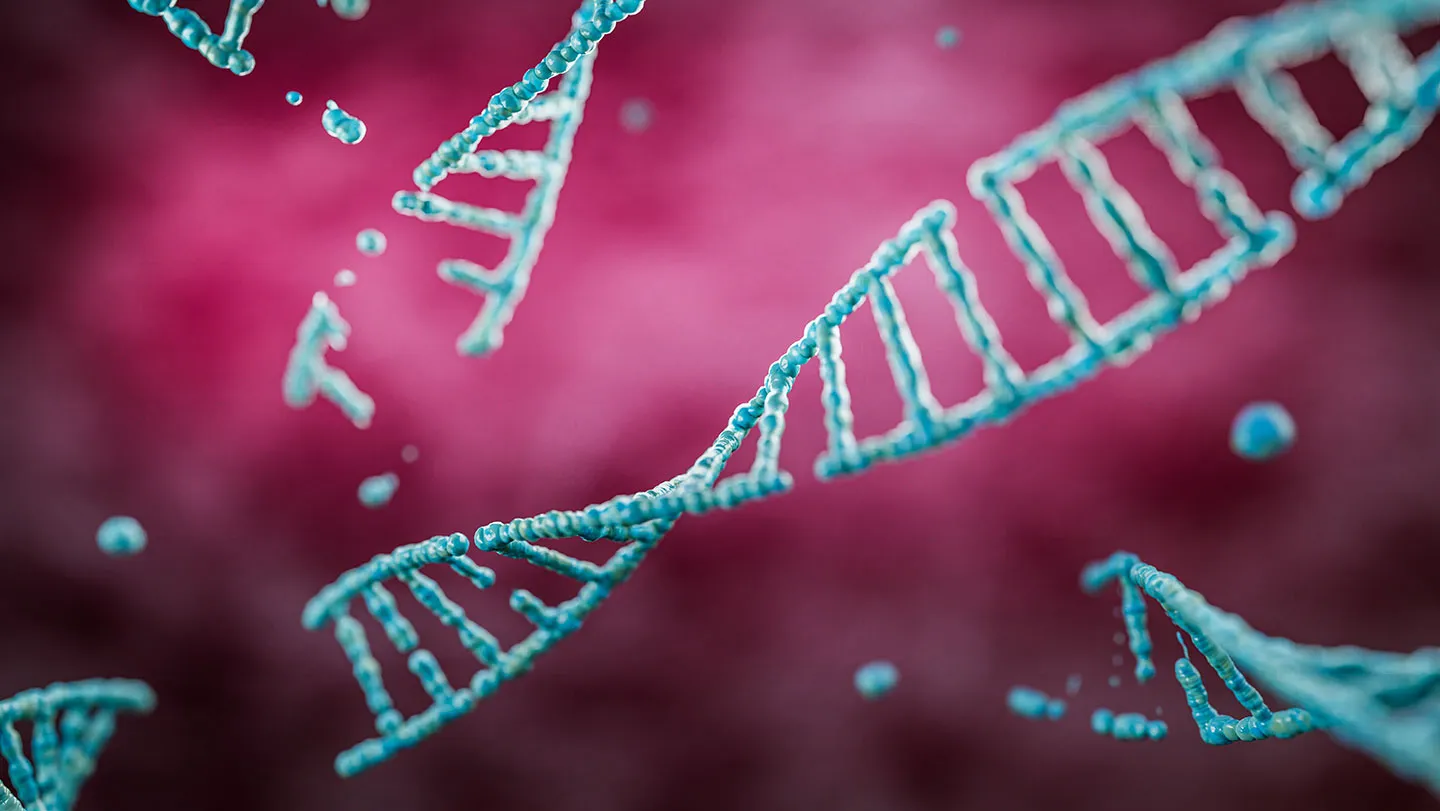
Mouse neurons forced through tight spaces in the developing cerebral and cerebellar cortices accumulated massive double-strand breaks in their DNA, then repaired the damage after crossing to the other side. The Nature paper, published June 17, 2026, found that the breaks came from mechanostress during migration, not from detectable nuclear envelope rupture.
Researchers recreated that journey with microchannels designed to mimic the narrow interstitial spaces inside developing brain tissue. Fluorescent markers showed DNA double-strand breaks appearing as neurons passed through the channels and then disappearing once the cells emerged, a pattern that points to a controlled and temporary process rather than random injury.
The result sharpens a paradox at the center of brain development. Double-strand breaks are among the most serious forms of DNA damage in most cells, yet the developing brain appears to use them as part of normal organization. In this model, controlled DNA breakage is not a failure of growth but a step that may help neurons move into position as the cortex takes shape.
The finding also extends a line of earlier work that has steadily pushed against the assumption that neuronal DNA breaks are always pathological. A 2013 Nature Neuroscience study found that exploring a novel environment triggered neuronal double-strand breaks in young adult wild-type mice, especially in the dentate gyrus, and that the breaks were repaired within 24 hours. A 2021 Cell Press review said evidence was building that neuronal DNA is continuously broken and repaired in non-random ways across the genome. In 2024, a Nature Communications study reported cooperation between base-excision repair and double-strand-break repair during reversible single-strand-break processing.
The new work raises the harder question of where normal biology ends and disease begins. If neurons can tolerate massive DNA breaks during migration, then the quality of repair becomes central to understanding what happens when development goes off course. Incomplete repair could leave lasting consequences, a concern for neurodevelopmental disorders, neurodegeneration and conditions involving faulty DNA repair.
The study puts geometry, not just genes, at the center of brain building. Narrow spaces in the developing cortex appear to create a physical stress that neurons can briefly withstand, repair and move beyond, turning a process once assumed to be dangerous into part of the brain’s developmental choreography.
This article was produced by Prism’s automated news system from verified source data, official records, and press releases, then run through automated quality and moderation checks before publishing. The system is built and supervised by the people who set the standards it runs under. Read our full AI policy.
Did this article answer your question?