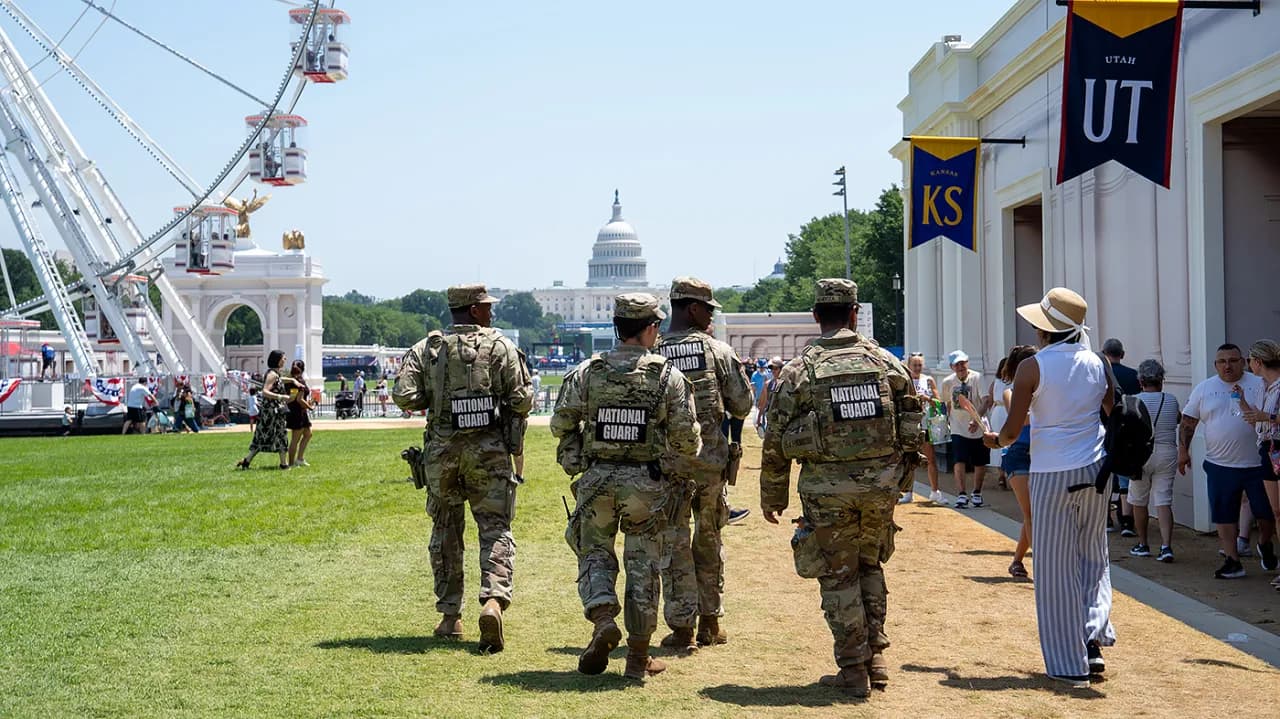
DHS caps foreign journalists’ U.S. stays at 240 days, 90 for Chinese reporters
DHS cut many foreign-media stays to 240 days and Chinese reporters to 90, ending open-ended admissions and raising reciprocity risks.
The Department of Homeland Security set new limits on foreign journalist visas, capping many media stays in the United States at 240 days and Chinese reporters at 90 days. The final rule replaces the long-running duration-of-status system that let foreign correspondents remain in the country as long as they stayed in their visa category.
The change gives foreign reporters a fixed admission period, with extensions available, but it shortens the runway for news organizations that have long depended on multi-year assignments in Washington, New York, and other U.S. hubs. For international bureaus, that affects more than paperwork. It can interrupt source-building, make it harder to keep experienced correspondents in place, and force more turnover in coverage of American politics, business, courts, and culture.
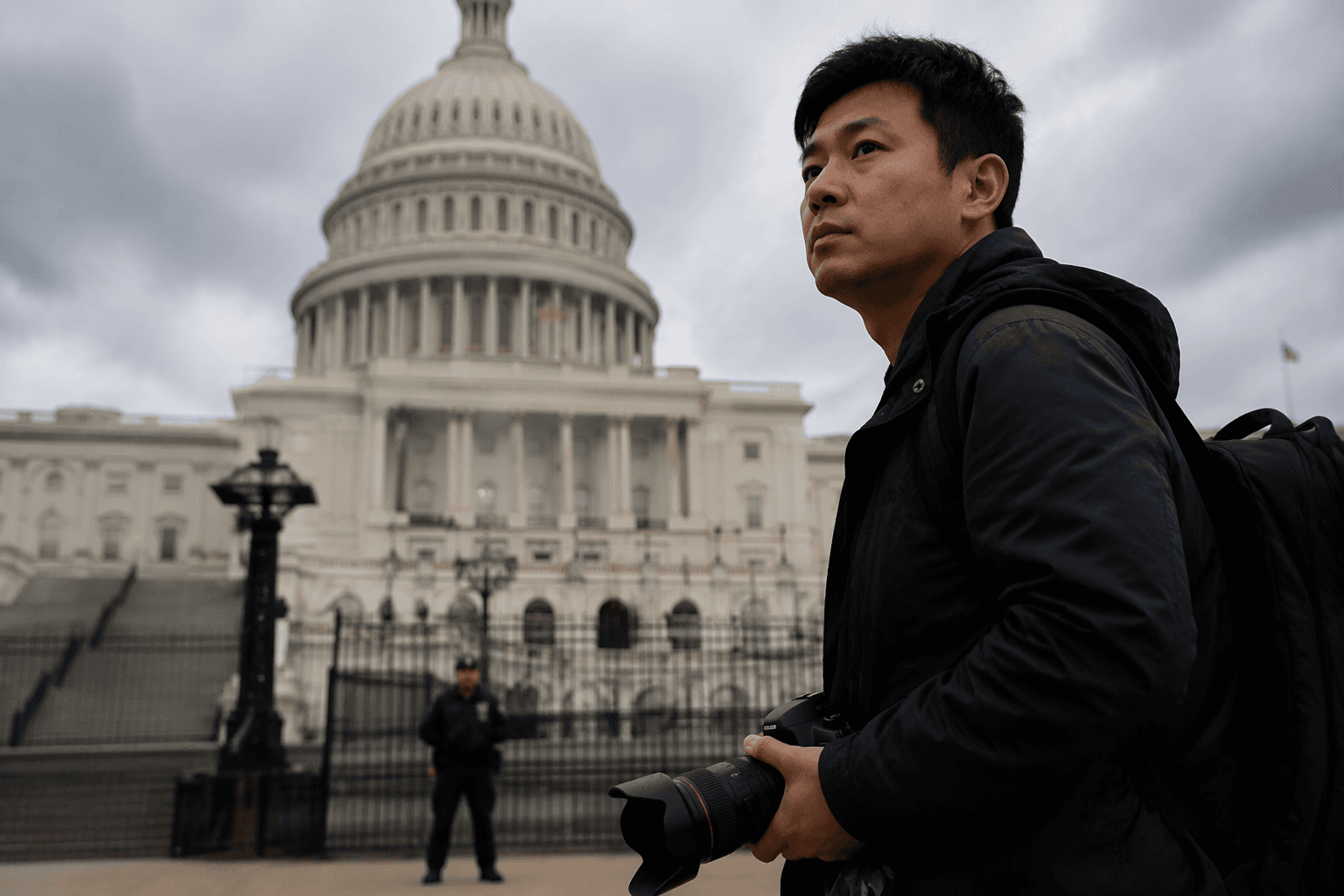
DHS issued the regulation as part of a broader tightening that also covers foreign students and exchange visitors, signaling a wider shift away from open-ended admissions across several visa classes. The Federal Register filing is titled Period of Admission and Extensions of Stay for Representatives of Foreign Information Media Seeking To Enter the United States.
The sharpest restrictions fall on Chinese journalists. The 90-day cap is far shorter than the stays many foreign bureaus have relied on, and it puts Chinese correspondents on an especially short leash just as the U.S.-China media standoff has deepened. China warned of reciprocal countermeasures after the announcement, raising the prospect that American journalists abroad could face matching limits if Beijing answers in kind.
The policy also lands squarely in the middle of a larger debate over access and control. The Committee to Protect Journalists condemned the Trump administration’s rule restricting international correspondents’ access to the United States, arguing that tighter visa terms can make independent reporting harder to sustain. Supporters of the change are expected to frame it as a national-security measure, but the practical effect is clear: more renewals, more scrutiny, and less continuity for foreign newsrooms trying to cover the United States from inside its borders.
For global outlets, the issue is not only who can enter. It is how long they can stay, whether they can plan extended reporting assignments, and how much institutional memory they can keep in place. By replacing open-ended status with fixed terms, DHS has made foreign reporting in the United States more contingent, and for Chinese journalists, far more constrained.
This article was produced by Prism’s automated news system from verified source data, official records, and press releases, then run through automated quality and moderation checks before publishing. The system is built and supervised by the people who set the standards it runs under. Read our full AI policy.
Did this article answer your question?