DHS funding lapse leaves airports facing hours-long TSA security lines
DHS funding lapse leaves about 50,000 TSA screeners unpaid, triggering multihour security lines at Houston Hobby and New Orleans airports and disrupting spring break travel.

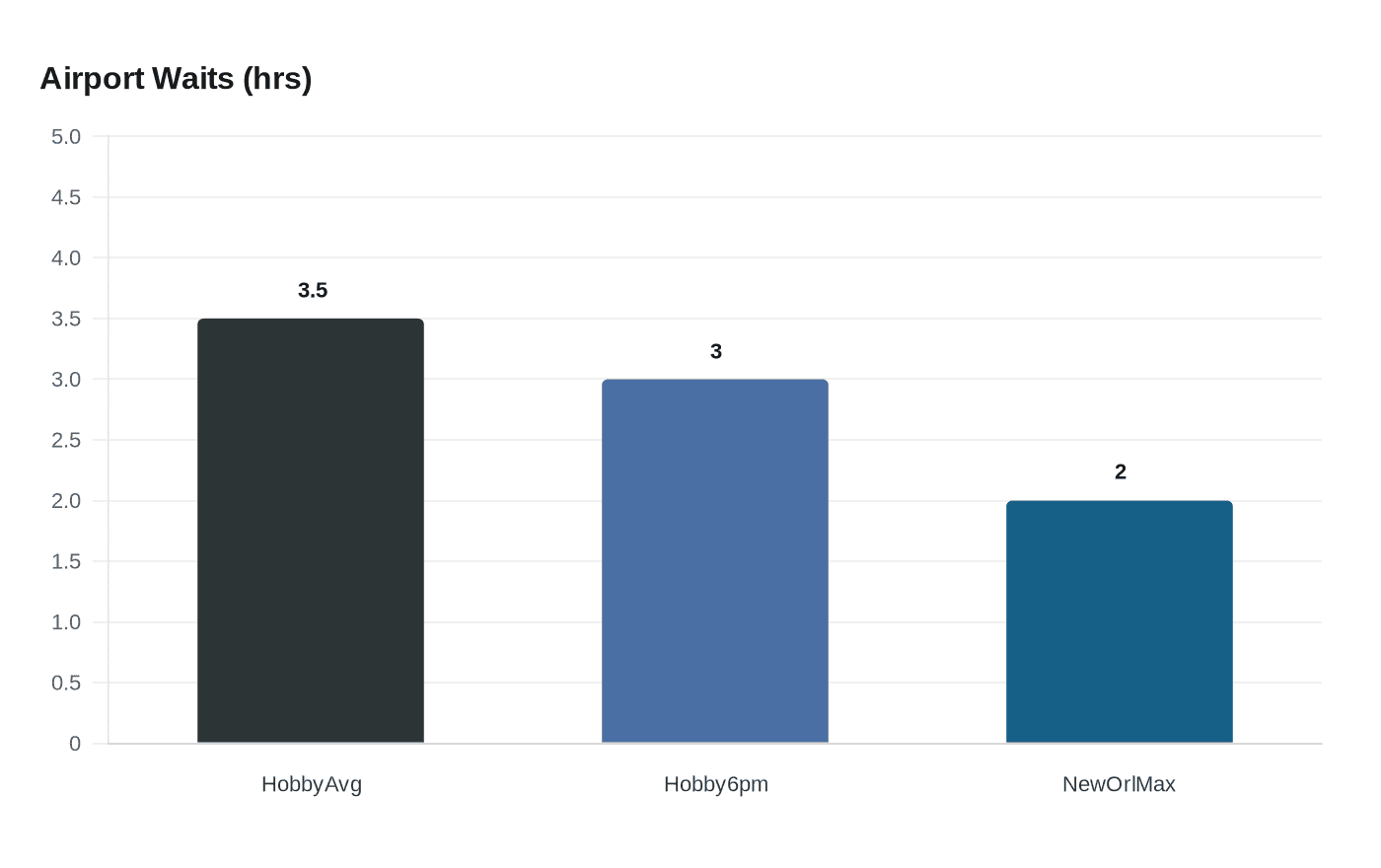
Travelers faced hours-long waits at Transportation Security Administration checkpoints on March 8 as a funding lapse at the Department of Homeland Security strained staffing during peak spring-break travel. Houston’s William P. Hobby Airport briefly reported lines averaging 3-1/2 hours; at 6 p.m. local time the wait averaged three hours. Louis Armstrong New Orleans International Airport urged passengers to arrive at least three hours before departure and posted that wait times could last up to two hours.
The Department of Homeland Security said in a statement, "Travelers are facing TSA lines of up to nearly three hours long at some major airports, causing missed flights and massive delays during peak travel." Airlines and airports reported passengers were delayed and flights were missed as queues lengthened, compounding operational headaches at a sensitive travel moment.
The bottlenecks trace to a lapse in DHS funding that began on February 13 after Congress failed to reach agreement on immigration enforcement reforms. That lapse halted operational appropriations for several agencies and left about 50,000 TSA airport security screeners working without pay. With payroll and regular staffing incentives disrupted, absences rose even as traveler volumes increased for spring break.

The human toll was immediate. A traveler identified as Jessica Andersen Alexie and her two children, ages 10 and 13, were caught in the long Hobby lines as they tried to return to New Orleans after attending the World Baseball Classic. Airports posted real-time advisories on social platforms urging earlier arrival, warning that delays could persist through the coming week.
Operational strain has translated into measurable delay risk for airlines. Industry representatives have said long security lines were causing flights to be delayed and passengers to miss connections, adding pressure on carriers already managing peak schedules. Separate weather-related disruptions in hubs such as Atlanta have added to recent operational volatility, but the staffing shortfall at checkpoints is a distinct cause of the security-line jams.
The immediate economic effects are uneven but meaningful. Multihour waits reduce travel capacity at controlled choke points, raising the probability of no-shows and missed connections that generate rebooking costs and customer service expenses for airlines. For business and leisure travelers, longer security processing adds time costs and undermines confidence in on-time service during one of the travel sector’s busiest periods. Airport and airline revenues tied to punctual operations, ground-handling efficiency and ancillary sales face short-term downside risk while the shutdown persists.
Policy decisions in Washington are now the fulcrum for restoring routine operations. The funding gap was caused by a breakdown over immigration enforcement measures, and until appropriations or a stopgap are enacted the operational disruptions will continue to ripple through the travel network. Restoring paid status for the roughly 50,000 screeners and stabilizing incentives will be essential to reduce absences and shorten lines.
The disruptions on March 8 underscore how fiscal stalemate at the departmental level can quickly produce consumer-facing disruptions and real costs across transport networks. Congress and the administration face a clear choice: reopen DHS funding to restore normal checkpoint operations or accept ongoing delays and the economic friction they impose on carriers, airports and millions of travelers.
This article was produced by Prism’s automated news system from verified source data, official records, and press releases, then run through automated quality and moderation checks before publishing. The system is built and supervised by the people who set the standards it runs under. Read our full AI policy.
Did this article answer your question?

