DHS funding lapse stalls as ICE oversight fight deepens
A standoff over ICE oversight triggered a DHS funding lapse, forcing essential staff to work without pay and leaving key services at risk.
A partisan impasse over new oversight rules for Immigration and Customs Enforcement has produced a lapse in Department of Homeland Security funding, leaving large parts of the agency operating on contingency while lawmakers head home for a recess. Democrats demanded sweeping reforms in the wake of two fatal shootings by federal agents in Minneapolis, and Republicans and the White House rejected those terms as overly restrictive.
The immediate spark was public outrage after the January deaths named by Time as Renée Good and Alex Pretti, the latter identified by USA Today as a 37-year-old nurse. Those incidents helped unite House and Senate Democrats behind a package of measures that Time says would require court-issued warrants before agents enter private property, mandate clear identification and badge numbers, limit masks, expand officer-worn body cameras, set new use-of-force standards and ensure independent investigations of shootings. At a Friday news conference, House Democrat Hakeem Jeffries said “dramatic changes” were still needed, according to Time.
Negotiations collapsed in the Senate when a vote on the House-passed funding bill fell 52-47 short of the 60 votes needed to overcome a filibuster, The Guardian reported. The New York Times said the White House sent proposed legislation to Senate Democrats on Wednesday night before the deadline, but Democrats rejected it as insufficient. USA Today reported a prior agreement had extended DHS funding through Feb. 13, and the Original Report said Congress entered recess until Feb. 23 with both sides dug in.
Operational impacts are mixed and uneven. Time, citing DHS contingency planning, reported that roughly 91 percent of DHS employees would be required to continue working without pay because their jobs are deemed essential, and that the first missed pay period would arrive in early March if the impasse endures. The New York Times noted that ICE, which employs about 22,000 officers, and Customs and Border Protection, which employs more than 60,000 officials, perform work that can legally be required during a lapse and whose staff are entitled to back pay once funding resumes under a 2019 law.
At the same time, TSA, the Coast Guard and FEMA face service reductions and staff working without pay, USA Today and DW reported. Time called this shutdown among the narrowest in modern history because it affects primarily one Cabinet department; the outlet also noted DHS oversees roughly 13 percent of the federal civilian workforce.
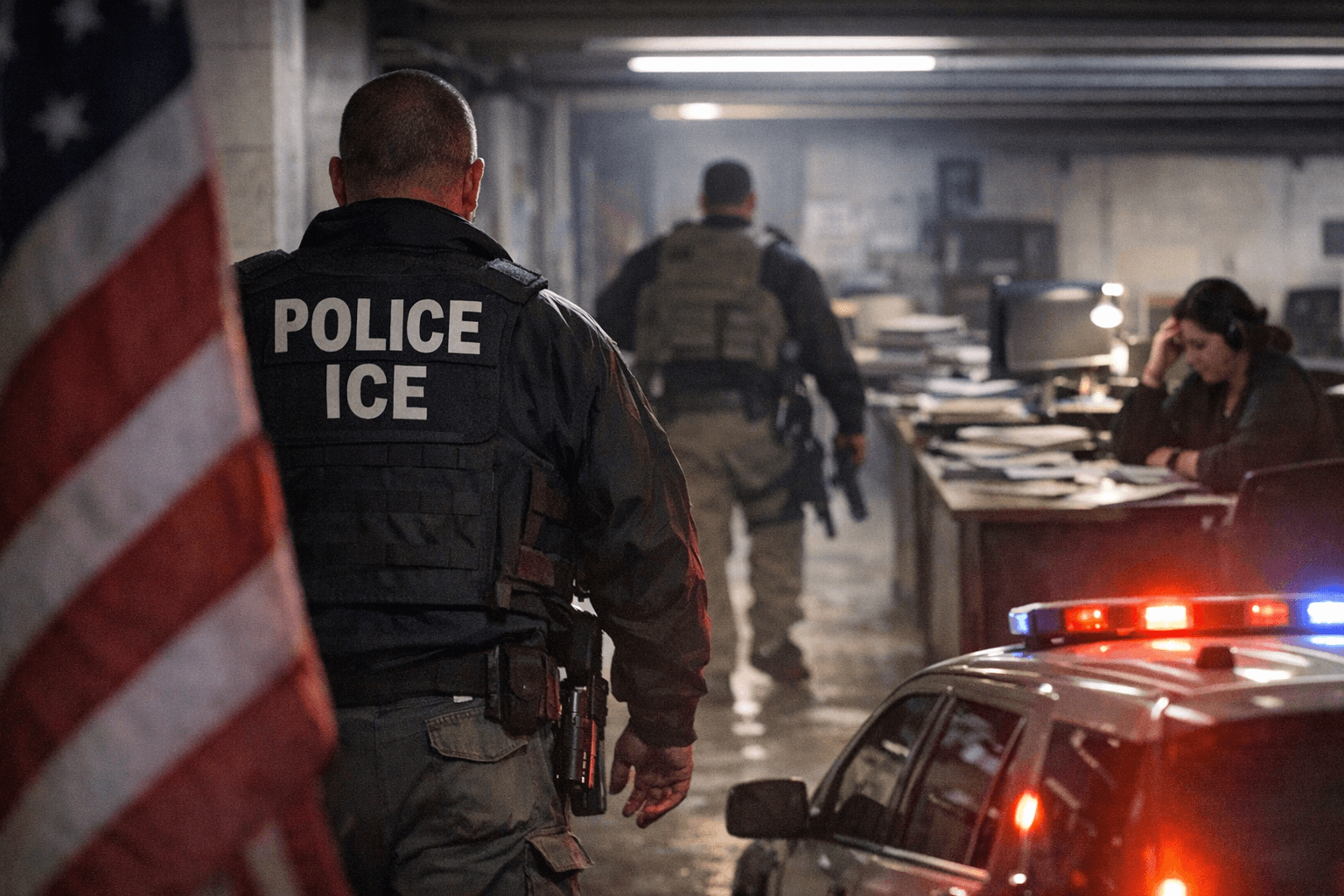
Budget dynamics are central to why enforcement operations may continue. The New York Times said ICE benefited from an extra cushion after last summer’s appropriations, citing a reported $75 billion boost to its operating budget and a separate $190 billion fund at DHS that lawmakers sought reporting on in the blocked measure. Those figures come from NYT reporting and should be confirmed with primary budget documents before being treated as definitive.
Political posturing is intense. USA Today quoted an unnamed official saying, “The White House has continued to show it's committed to taking actions on its own,” citing the administration’s Feb. 12 drawdown of enforcement in Minnesota, and adding, “Democrats are never going to get their full wish list. That's not the way this works.” Senator Maggie Hassan told a hearing, according to The Guardian, that the department “has an extraordinary amount of money at its disposal right now” because of last summer’s funding.
Market and economic effects are modest but meaningful in targeted areas: disruptions at airports, ports and disaster response could impose localized costs on travel, supply chains and insurance claims handling. Longer term, the clash spotlights a trend in which Congress uses annual appropriations to press structural reforms in law enforcement agencies, forcing recurring trade-offs between operational continuity and oversight. With talks reportedly ongoing but Congress recessed through Feb. 23, the outcome remains uncertain and contingent on whether either side yields on the oversight priorities that drove Democrats to block funding.
This article was produced by Prism’s automated news system from verified source data, official records, and press releases, then run through automated quality and moderation checks before publishing. The system is built and supervised by the people who set the standards it runs under. Read our full AI policy.
Did this article answer your question?