Diamondbacks' first-round pick Patrick Forbes moves to full-time pitching
Patrick Forbes, Arizona's 2025 first-round pick, has completed his shift from two-way player to full-time pitcher and enters pro ball focused on refining his secondary pitches and command. That work matters for his starting-projection and a likely High-A Hillsboro assignment in 2026.
Patrick Forbes’ pro path is shifting into higher gear as he closes the book on his two-way days and commits to pitching full time. The Diamondbacks, who selected him in the first round of 2025, are structuring his development around his electric fastball and wipeout slider while emphasizing improved command and a deeper, more reliable pitch mix.
Forbes’ raw stuff is straightforward: a mid-90s fastball that has touched 100 mph and a slider with clear swing-and-miss bite. What separates his projection from a pure power arm is a deliberate offseason program to add secondary offerings, a cutter and a changeup are both in development, and the mental adjustments required to attack hitters inning after inning instead of in limited two-way bursts. The broken hand he suffered in college effectively ended his hitting career and accelerated the full-time pitching decision, making this his first true pro offseason dedicated entirely to mound work.
The organization’s plan is pragmatic. Expect Forbes to enter the system as a starter but to be managed carefully on workload and pitch sequencing as his secondary offerings and command gain consistency. Evaluators like the upside: a frontline fastball-slider combination with starter upside if he can regularly throw strikes and maintain a dependable third pitch. The primary development tasks are straightforward on paper but tougher in practice, locating his heater in the zone, tightening release-to-release repeatability, and turning the cutter and changeup into true at-bat weapons rather than fringe offerings.
Projected placement for 2026 is High-A Hillsboro, where Forbes can build innings against quality, advancing hitters while the staff monitors how his pitch mix plays in-game. From there, evaluators describe a multi-year climb keyed to measurable improvements: lower walk rates, higher first-pitch strike rates, and a usable third pitch that keeps lineups honest. If he hits those benchmarks, a steady progression through Double-A and beyond becomes realistic; if not, a move to shorter relief stints remains an available path to leverage his velocity.
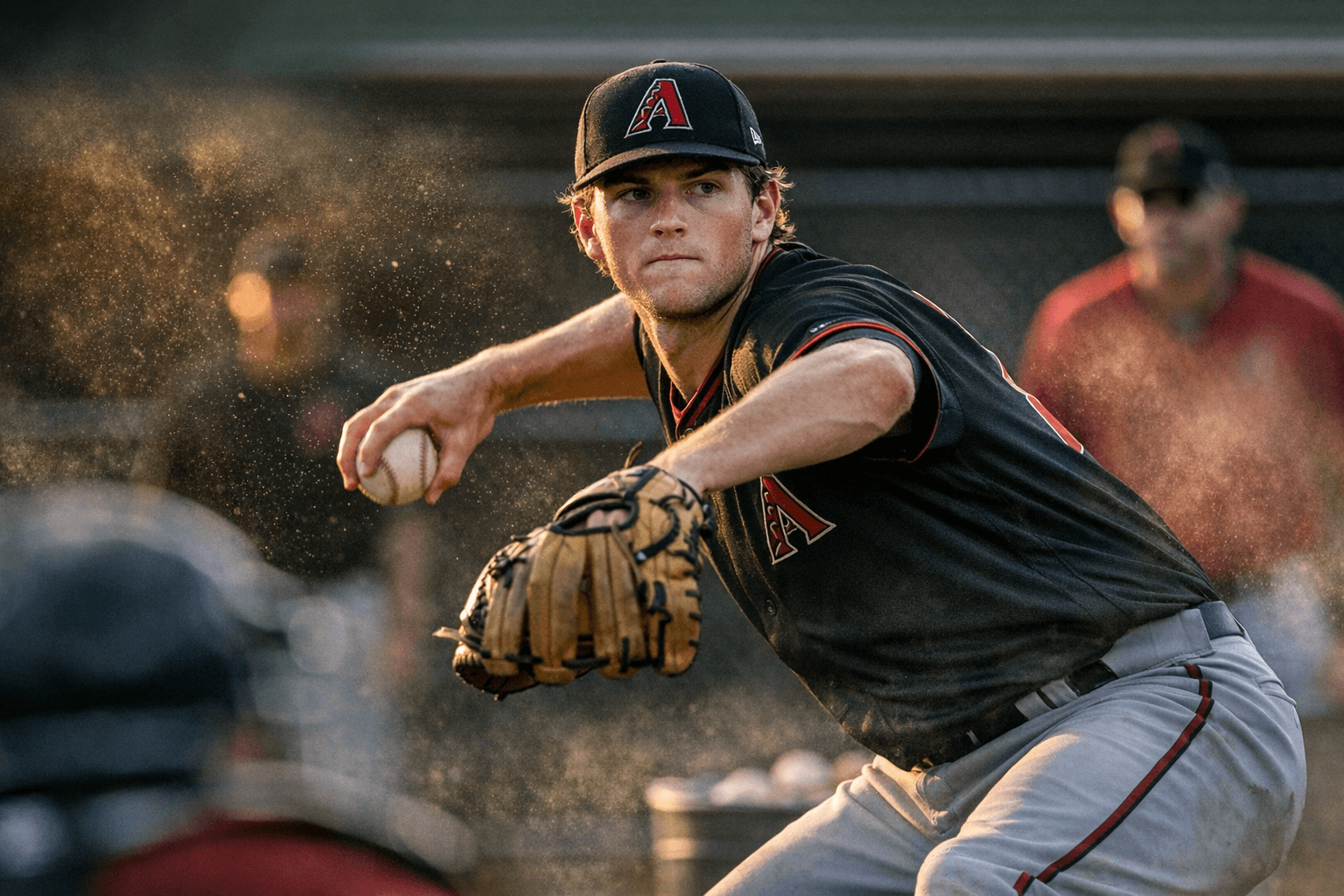
What this means for fans and local followers is clear: start watching the peripherals, not just the radar gun. Track his strike-to-strike consistency, how often he lands first-pitch strikes, and how frequently hitters are flailing at his slider versus waiting out a fastball. Hillsboro’s spring and early-season reports will reveal whether Forbes is trending toward a multi-inning starter or a high-leverage arm.
The takeaway? Forbes has the tools to be an impact starter, but the next year is all about refinement. Our two cents? Pay attention to command metrics and the emergence of a true third pitch, that’s the difference between prospect hype and a sustainable major-league arm.
Know something we missed? Have a correction or additional information?
Submit a Tip